
Mark Lee Faces Backlash Over AI-Assisted Bible Discussion

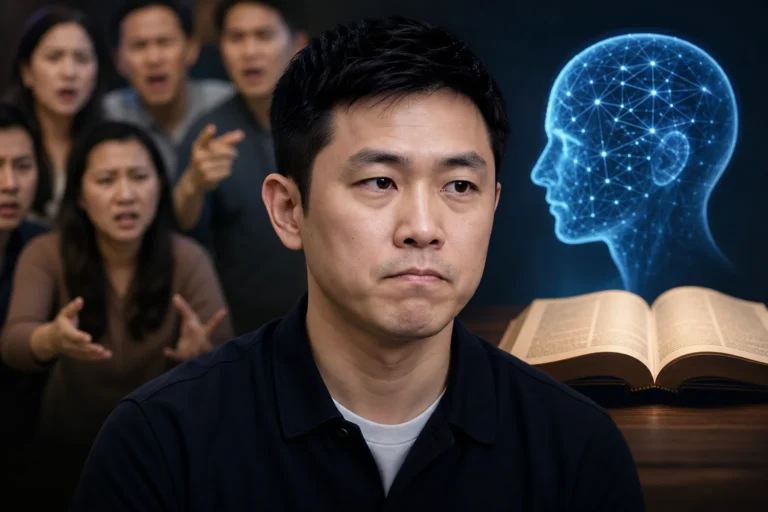
Mark Lee is facing renewed criticism after a video clip from a YouTube appearance showed him using ChatGPT during a discussion about the Bible. The moment, which circulated widely among fans on social media, has turned into a larger debate about artificial intelligence, religious sincerity, and the expectations placed on idols who build public projects around personal values.
The clip came from an appearance on the CharlesNter YouTube channel. In the segment, Mark and the host appeared to use an AI chatbot to help read or interpret Biblical material. While some viewers treated the moment as a casual use of a digital tool, others argued that the setting made the choice feel careless. The criticism was especially sharp because the discussion involved scripture rather than a simple search query or entertainment topic.
At the center of the backlash is the gap fans see between Mark’s public image and the method used in the video. Mark has been associated with Upper Room, a label and faith-centered community launched after his departure from NCT and SM Entertainment. Because that project has been described around Christian identity and community, critics said relying on AI for religious interpretation looked inconsistent with the deeper engagement they expected from him.
The reaction also shows how quickly idol controversies now move from one platform to another. A short clip can leave its original context almost immediately, then be reframed through fan accounts, quote posts, and commentary threads. In this case, the debate was not only about whether AI can summarize religious material. It was about whether a public figure who has emphasized faith should be more careful about how he studies and discusses it on camera.

Why The AI Use Drew Such A Strong Response
Much of the criticism focused on the availability of alternatives. Viewers pointed out that people interested in Bible study can consult the text directly, speak with religious leaders, read commentaries, or watch educational content from trained teachers. For those fans, using a chatbot in a faith discussion suggested convenience was being placed above care, even if that was not Mark’s intent.
The topic also lands in a cultural moment when audiences are more skeptical of AI use in creative, educational, and spiritual spaces. In K-pop, fans have already debated AI-generated vocals, artwork, translations, and promotional material. A faith-oriented discussion adds another layer because it touches on personal belief and moral authority rather than only production efficiency.
That distinction matters. Many fans do not object to idols using technology in everyday life, and AI tools are now common for planning, translation, research, and casual explanation. The backlash here is more specific: critics felt that asking a chatbot to handle religious interpretation in a public setting risked flattening a subject that many people treat as personal, communal, and historically rooted.
Solo Career Scrutiny Is Intensifying
The controversy arrives during an already sensitive stretch for Mark’s post-NCT activities. According to the source report, Upper Room recently apologized after photos surfaced of Mark wearing a shirt featuring the Confederate flag. The label said the vintage item had been selected for its look, acknowledged the racist symbolism associated with the flag, and rejected racism and discrimination.

Because that earlier controversy was still fresh, the AI discussion was received less as an isolated mistake and more as part of a difficult start to his new public chapter. That cumulative effect is important in idol fandom. Once an artist is under scrutiny, even a smaller or more ambiguous moment can become a test of whether lessons have been learned.
For Mark, the challenge is not only responding to criticism but clarifying what Upper Room represents. Faith-based branding can create a strong connection with supporters who share similar values, but it also invites closer examination. If an artist presents a community as sincere and spiritually grounded, fans may expect the public-facing content to reflect that seriousness consistently.
The debate does not necessarily mean the backlash will define Mark’s solo career. K-pop audiences often move quickly, and public opinion can shift when artists explain their decisions, show accountability, or let future work reset the conversation. Still, the response underlines how narrow the margin can be for idols who are trying to reposition themselves after leaving a major group structure.
For now, the incident is a reminder that AI use is no longer treated as a neutral background detail. When it appears in sensitive conversations, especially from a celebrity whose brand is tied to belief and community, fans may read it as a statement about judgment, preparation, and authenticity. Mark’s next steps will likely determine whether this remains a short-lived online debate or becomes a longer-running issue in how his solo identity is received.



Join the Conversation
Log in to share your thoughts and join the conversation with other fans.