
AI Deepfake Celebrity Images Spark Backlash After Actor Kim Woo Bin Confirms Viral “Wedding” Photo as Fake

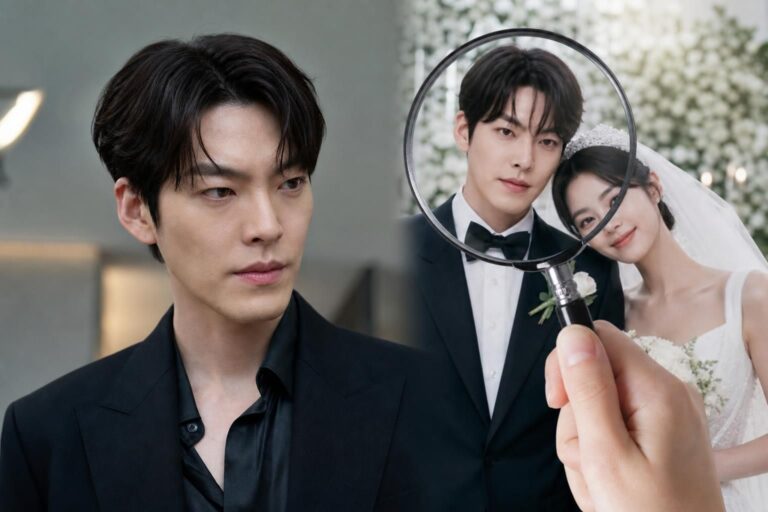
A viral image circulated online this week linking South Korean actor Kim Woo Bin and actress Kim Ji Won to an alleged wedding scene—only for Kim Woo Bin to publicly clarify that the photo was not real.
The incident has reignited concerns about the growing normalization of AI-generated fake celebrity imagery, and the ease with which such content can spread before it is debunked.
A “wedding” photo goes viral—then the actor steps in
According to reporting, the image was posted by a Korea-based Instagram account under the username @donglrami, run by a social media poet, Kim Dong Hyun, who has more than 730,000 followers.
The account shared a picture purportedly depicting Kim Woo Bin and Shin Min Ah’s wedding, with Kim Ji Won shown alongside the couple. The post included commentary about the “essence” of marriage, and it quickly attracted attention—earning nearly 500,000 likes, a notable spike compared with the account’s typical engagement.
Because neither the actor couple nor Kim Ji Won had released any wedding-related photo, users began to question the authenticity. The uncertainty persisted until Kim Woo Bin himself commented on the post.
Kim Woo Bin confirms it: AI-generated
In the comment thread, Kim Woo Bin addressed the image directly, confirming that the photograph was AI-generated rather than a real public wedding photo. The actor’s intervention effectively served as a public verification—one of the clearest ways a celebrity can push back against deepfake-style misinformation.
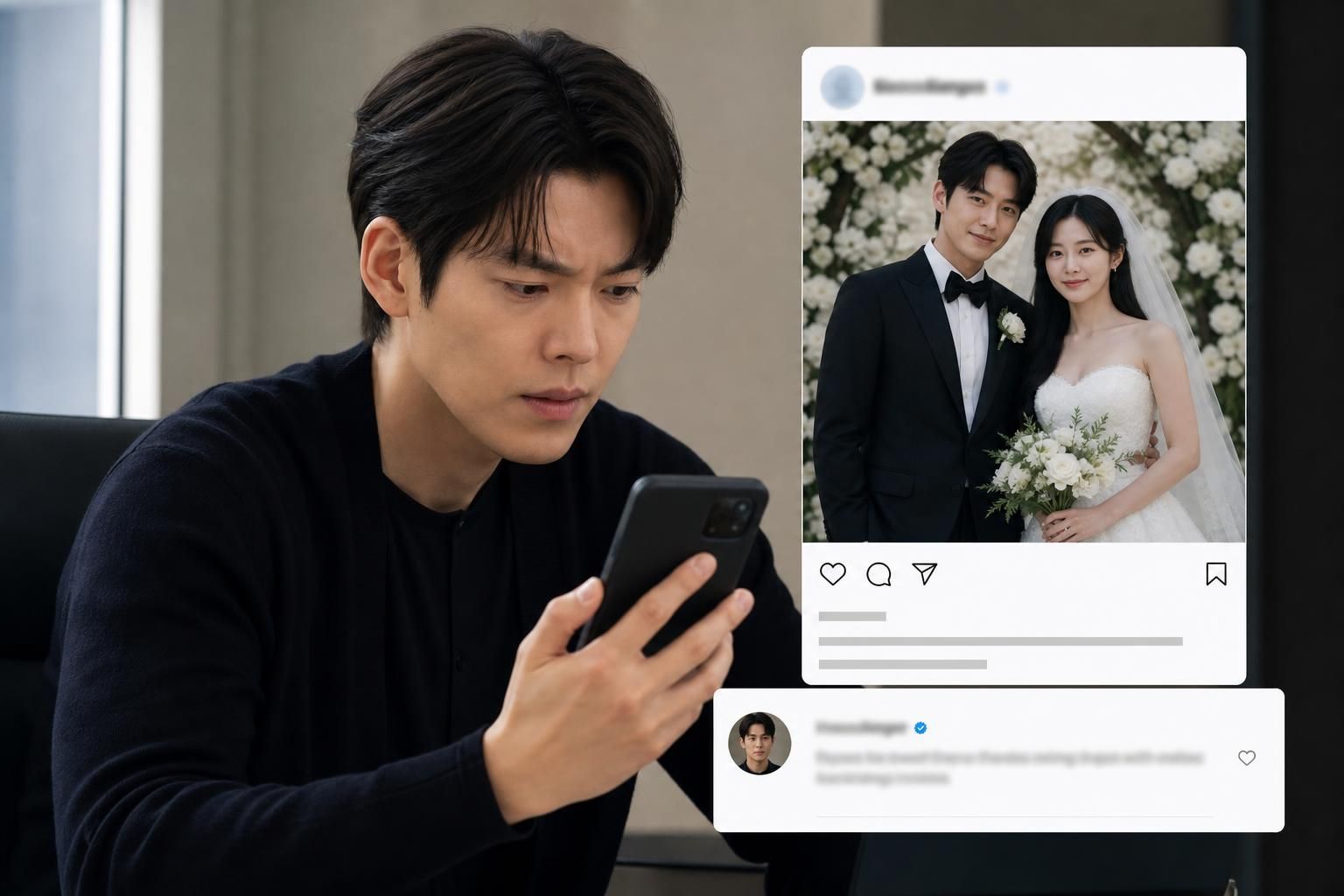
However, the debunking did not immediately lead to removal.
After the clarification: comments shut off, likes hidden
Instead of taking the image down, the account reportedly turned off comments and hid likes, changes that can reduce visible engagement and limit further discussion, but do not erase the original dissemination.
That distinction matters: even when a deepfake is labeled as fake, users may have already saved, reposted, or screenshot the content—allowing the misinformation to persist across platforms and feeds.
The situation also highlights how quickly AI-generated content can reach mainstream visibility. While debunking can happen rapidly, the social media dynamics of virality mean the harm can occur well before corrections catch up.
The broader issue: deepfakes becoming “routine” online
The episode fits into a wider pattern of AI deepfakes targeting high-recognition figures. Such images can look convincing enough to trigger immediate sharing, especially when tied to culturally resonant narratives—like celebrity weddings.
By packaging the fake image within a relatable caption and positioning it as a meaningful “real-life” moment, the account turned the deepfake into more than a visual trick; it became a story designed to generate emotional reaction and curiosity.
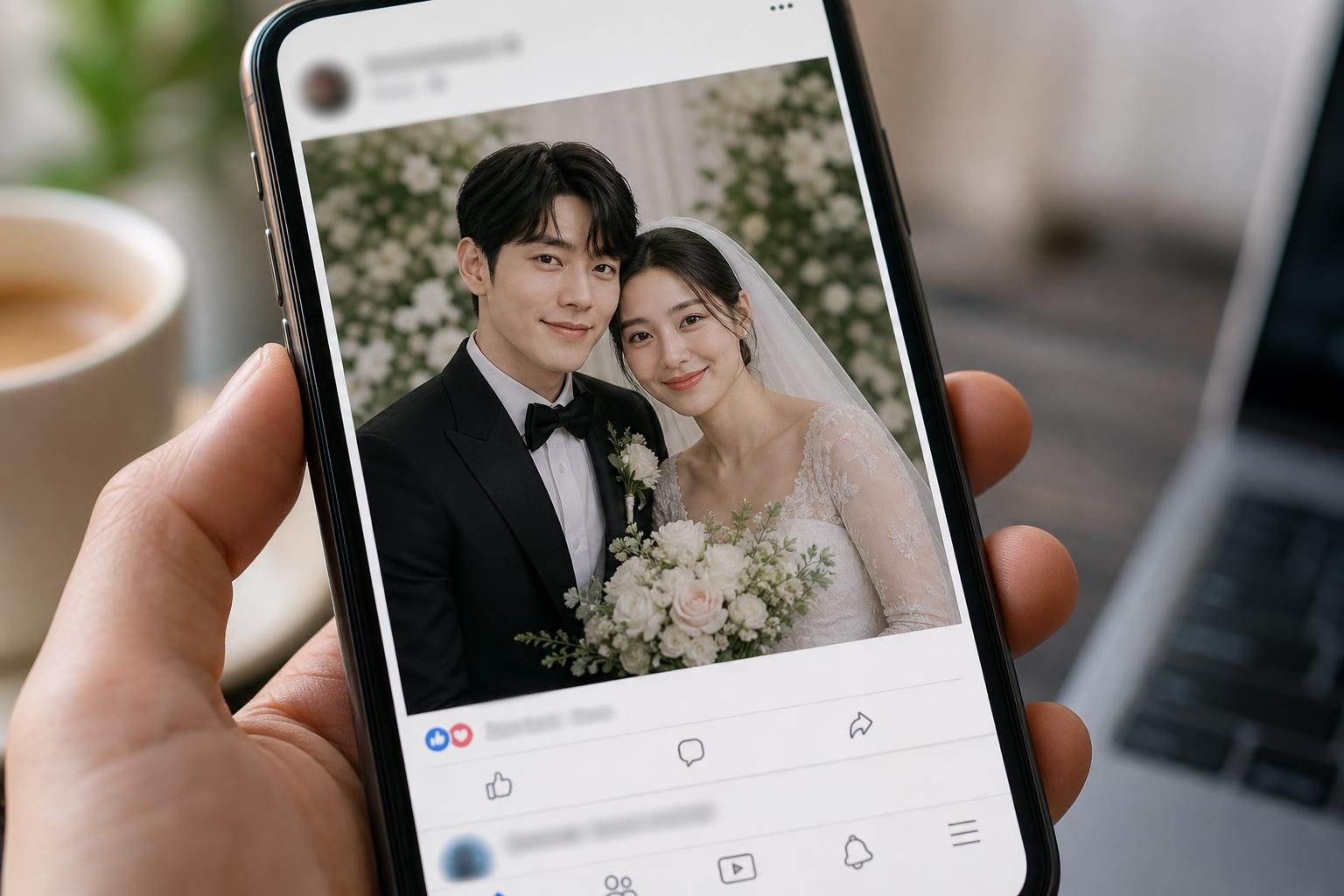
That approach can be particularly effective because many users do not wait for verification when posts feature familiar faces and high-stakes claims. The result is a feedback loop where the content’s popularity can become evidence in the eyes of casual viewers, even when no official source exists.
What this means for platforms and for audiences
The case underscores a recurring challenge for social platforms: policing synthetic media at scale. While moderation tools and reporting systems exist, identifying deepfakes reliably often requires either contextual signals (such as whether an image appears to have originated from a legitimate event) or credible verification from outside parties—including the celebrities themselves.
For audiences, the incident serves as a reminder that virality is not proof. Users may want to check whether images have been confirmed by official accounts, trusted outlets, or the subjects depicted—especially when the claim involves private or unannounced events.
At the same time, celebrities’ public clarifications can help, but they also show the limits of “correction after spread.” Turning off comments may slow debate, yet it does not prevent copies from circulating elsewhere.
What happens next
In the immediate term, watch for two outcomes: whether the image is ultimately removed and whether more accounts repost similar “AI wedding” or “official photo” claims featuring other celebrities. In past cycles, when one deepfake gains momentum, copycat versions often follow.
Longer term, the incident adds pressure for stronger norms around synthetic media labeling and faster takedown workflows—especially for content that appears to impersonate real-world events. As AI tools become more accessible, the key question will remain the same: how quickly can verification happen, and who is empowered to stop misinformation before it hardens into “common knowledge”?
Join the Conversation
Log in to share your thoughts and join the conversation with other fans.