
“Wonbin’s” 16-Year Acting Hiatus and the New Signal From Korea’s Entertainment Industry


For Korean entertainment fans, the name Wonbin has long carried an unusual mix of star power and absence. A recent report from KoreaBoo revisited why the celebrated actor—often described as one of Korea’s most famous—has not returned to acting for roughly 16 years, offering what the outlet frames as a rare update on his continued retreat from the screen.
While the public often encounters Wonbin through older works and occasional sightings, the renewed attention stems from a simple question: what explains the longevity of a career pause at the level he reached? According to KoreaBoo, the answer is less about a single dramatic event and more about how an A-list performer can reshape expectations about visibility, demand, and personal priorities—even after a peak hit.
A star built on scarcity—and a hiatus that lasted
Wonbin rose to widespread recognition through prominent roles that solidified him as a top-tier actor in South Korea. Yet unlike many peers whose fame is sustained by frequent releases, his post-peak trajectory has been marked by restraint. The 16-year gap referenced in the update has turned that restraint into a kind of brand: the less he appears, the more the public notices when he does.
That dynamic is especially striking in today’s entertainment ecosystem, where media cycles accelerate and platforms reward constant content. A multi-decade presence online can be difficult even for actors with active filmographies, let alone someone whose main strategy appears to be staying away from the camera.
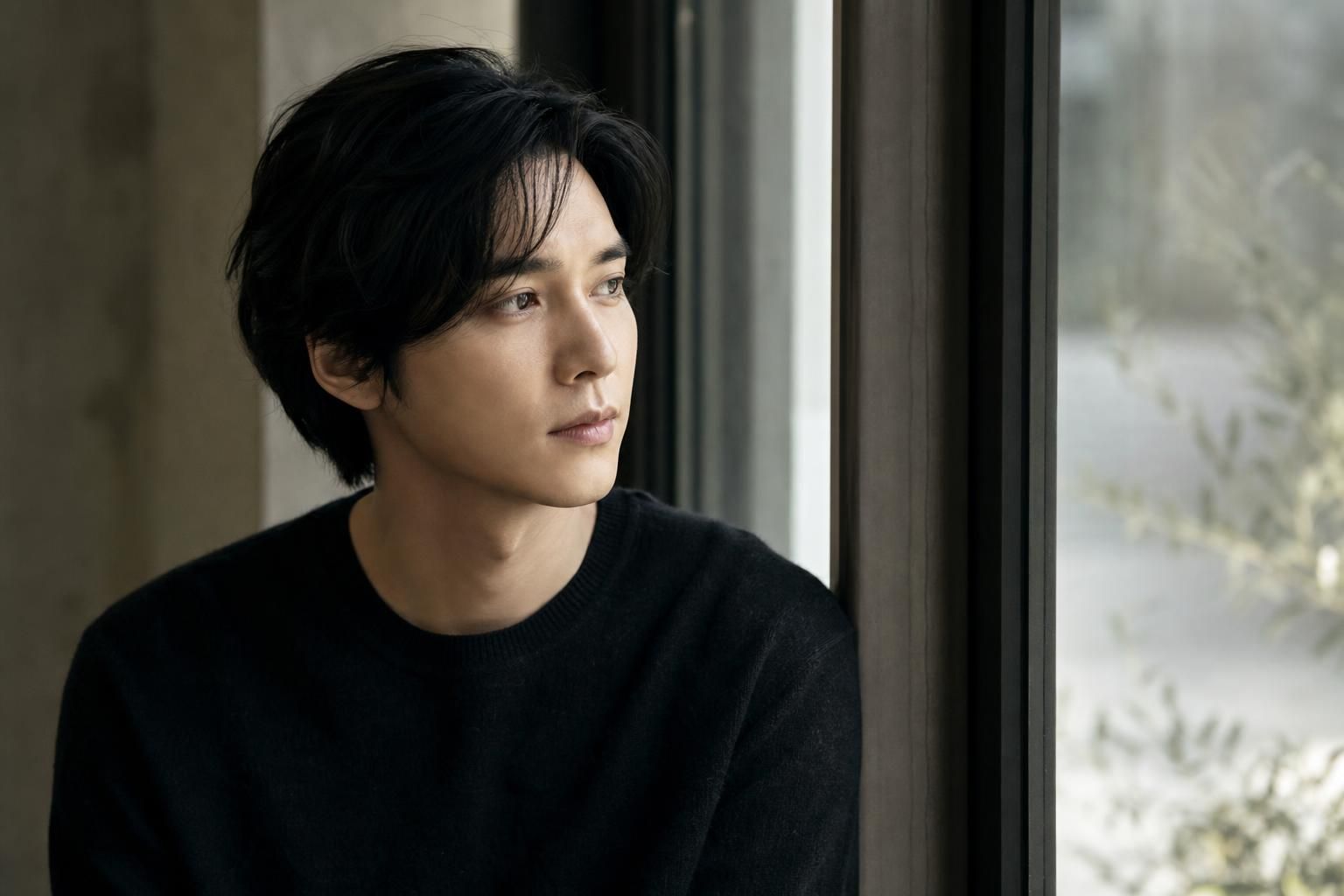
Why the “rare update” matters
Updates about inactive celebrities are rarely just gossip—they influence how fans interpret the absence. In this case, KoreaBoo frames the new information as an explanation for the hiatus rather than a tease for a comeback. For the industry, that distinction matters: it signals that public silence doesn’t necessarily mean professional inactivity, and it also suggests that the actor’s relationship with the industry may be defined by choice rather than circumstance.
Just as importantly, the coverage highlights a broader theme in Korean pop culture: a shift from the assumption that stardom automatically requires continuous output. When audiences hear “why” behind a prolonged break, they are more likely to accept the concept of an intentional career boundary—rather than filling the gap with speculation.
Media cycles vs. personal boundaries
In many entertainment markets, the conventional model is that high-profile actors maintain momentum through regular projects and interviews, both to satisfy existing fans and to attract new ones. Yet Wonbin’s case demonstrates an alternative pathway: the actor’s absence can be sustained for years without collapsing his cultural status.
That is not just a fan phenomenon. Agencies and production companies operate within business realities that often assume a steady supply of talent visibility. When a performer at the top level steps back for an extended period, it forces the industry to adapt—whether that means repositioning marketing strategies, relying on different talent pipelines, or recalibrating the meaning of “comeback” entirely.
What fans will watch next
The practical question for viewers is straightforward: does the new explanation change expectations about an eventual return? Based on the framing of the update, it appears the focus is on clarifying the lasting pause rather than confirming a project. Still, the very fact that information is circulating again increases the odds that follow-up reporting will emerge—especially if new statements, photos, or industry cues appear.
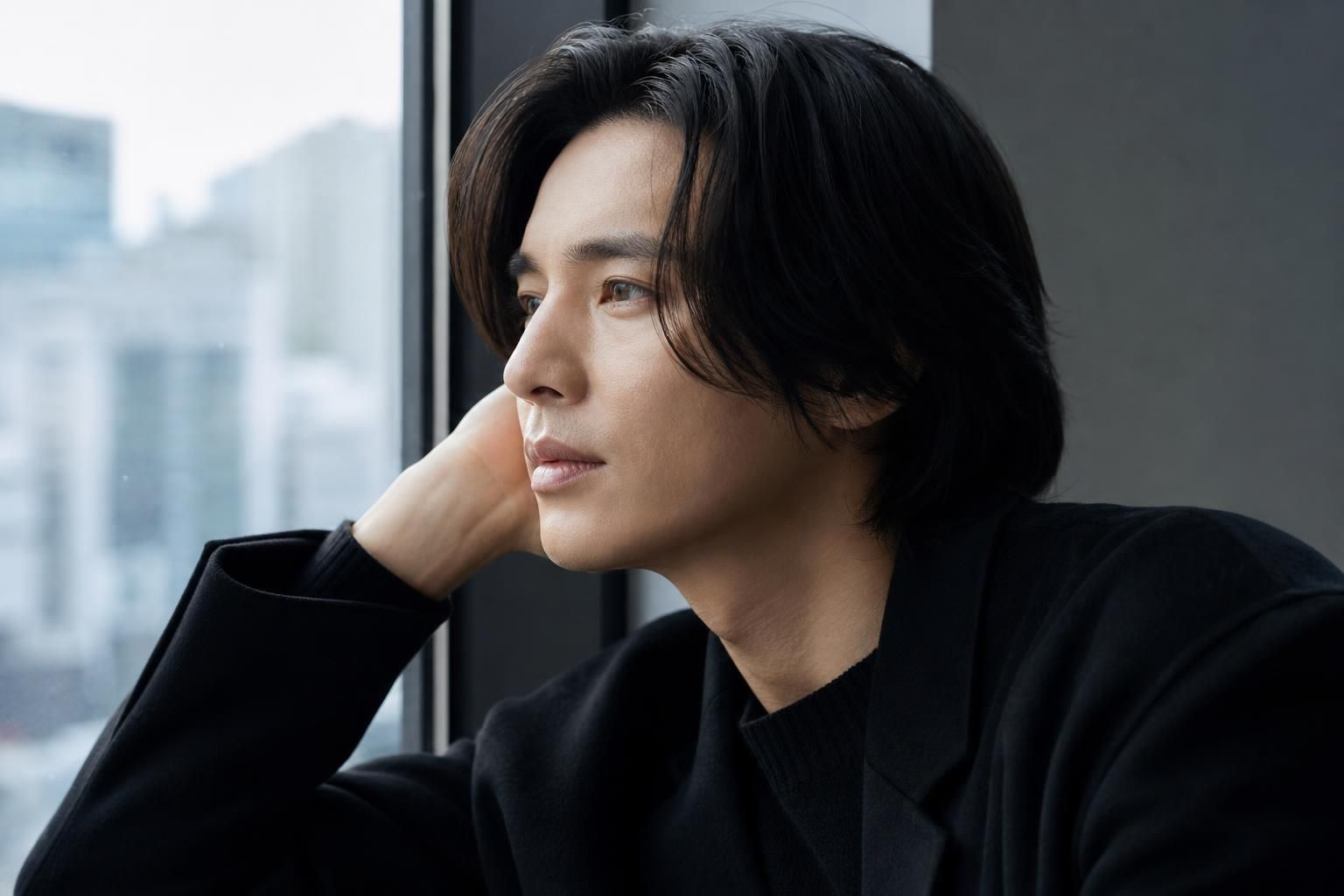
In the near term, fans will likely watch for indirect signals: casting rumors, announcements from agencies, or industry commentary that tests whether Wonbin remains outside acting for good or simply on a long, personal timeline. For now, the story’s news value lies in something rarer than a comeback headline—an explanation for why a top star can stay away, for years, and remain culturally unavoidable.
Industry implications
Wonbin’s prolonged absence—and the renewed attention around its reasons—also suggests a gradual normalization of nontraditional career timelines in Korean entertainment. As audience behavior shifts toward curated, platform-driven discovery, the idea of a celebrity who does not constantly feed the feed becomes more visible, and potentially more accepted.
Whether this trend grows will depend on how audiences respond to silence and how production partners treat the value of an infrequent but high-impact appearance. For now, the message from KoreaBoo is clear: the gap has a narrative behind it, and the actor’s next chapter—if and when it arrives—will be shaped by that long-established boundary.
Note: This article is based on the reported “rare update” coverage cited above.


Join the Conversation
Log in to share your thoughts and join the conversation with other fans.