
South Korea Fans Question TV Host’s World Cup Commentary After Controversial Remarks

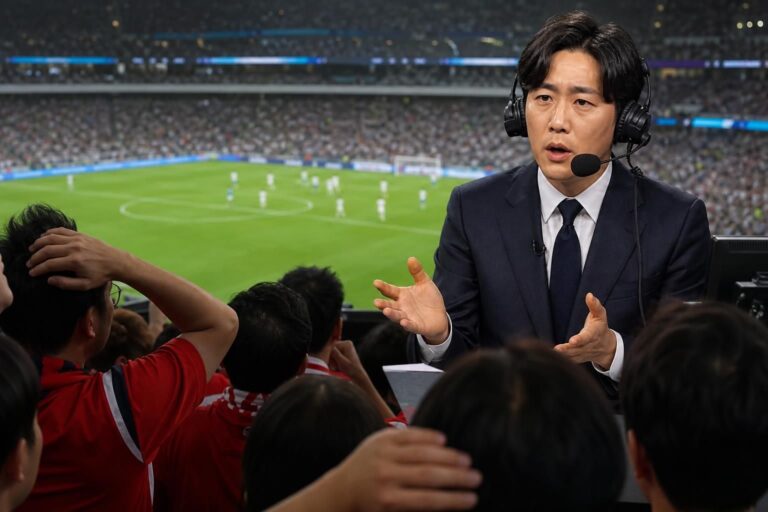
South Korean viewers are expressing sharp criticism after a widely shared clip of TV host Jeon Hyun-mu commenting on a World Cup match in a way that some interpreted as showing insufficient knowledge of the players. The controversy erupted amid an ongoing wave of debate over how broadcasters should balance enthusiasm with accuracy during high-stakes sports coverage.
What triggered the backlash
According to reports circulating in South Korean media and online communities, the criticism centers on Jeon Hyun-mu’s remarks during World Cup broadcast coverage. In the clip, he makes comments that audiences framed as dismissive or uninformed—particularly around player identification. Supporters argued that the segment was partly comedic or spontaneous, while critics said it risked undermining viewers’ trust in the seriousness of sports commentary.
Separately, media coverage also notes that South Korean broadcasters have continued to draw sizable audiences for World Cup programming. One of the referenced reports in today’s digest highlighted that KBS’s World Cup coverage posted 10.7% viewership and ranked first overall on the day in question, underscoring that even as debate grows, major sports events remain appointment viewing for many households.
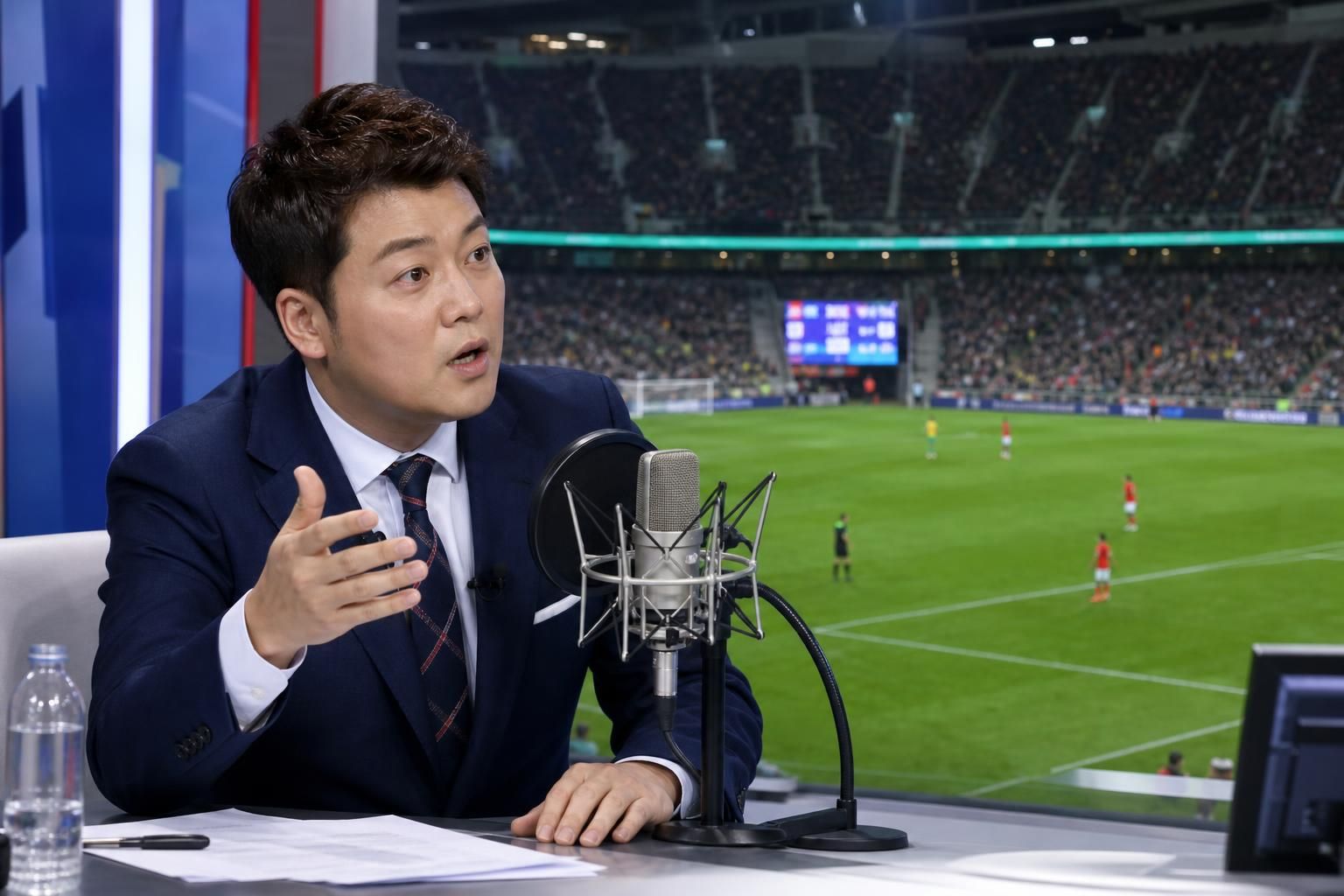
Debate over sports commentary “expertise”
The dispute taps into a long-running tension in sports media: whether entertainment-focused hosts can, or should, provide commentary at the same level as former athletes and analysts. In South Korea, where televised sports coverage is both mainstream and highly scrutinized, questions about who gets to speak—and what they know—carry reputational weight.
One report also described the episode as becoming contentious enough to draw discussion well beyond the stadium itself, with fans and commentators reacting to the tone and substance of the exchange. While some viewers dismissed the controversy as internet overreaction, others argued that broadcasts shape how casual viewers understand the sport—meaning inaccuracies (or the perception of them) can ripple quickly across social media.
Why it’s happening now
World Cup coverage typically intensifies scrutiny because stakes are high and viewers are often less forgiving of mistakes. As the tournament progresses, audiences compare commentary across channels and platforms, while fan communities dissect every exchange—turning what may be a short segment into a longer cultural debate about professionalism.
At the same time, the popularity of entertainment-heavy programming in South Korea means sports broadcasts increasingly include familiar faces from variety television. That hybrid model can widen audience appeal, but it can also set the stage for conflict when segments feel misaligned with the expectations of sports fans.
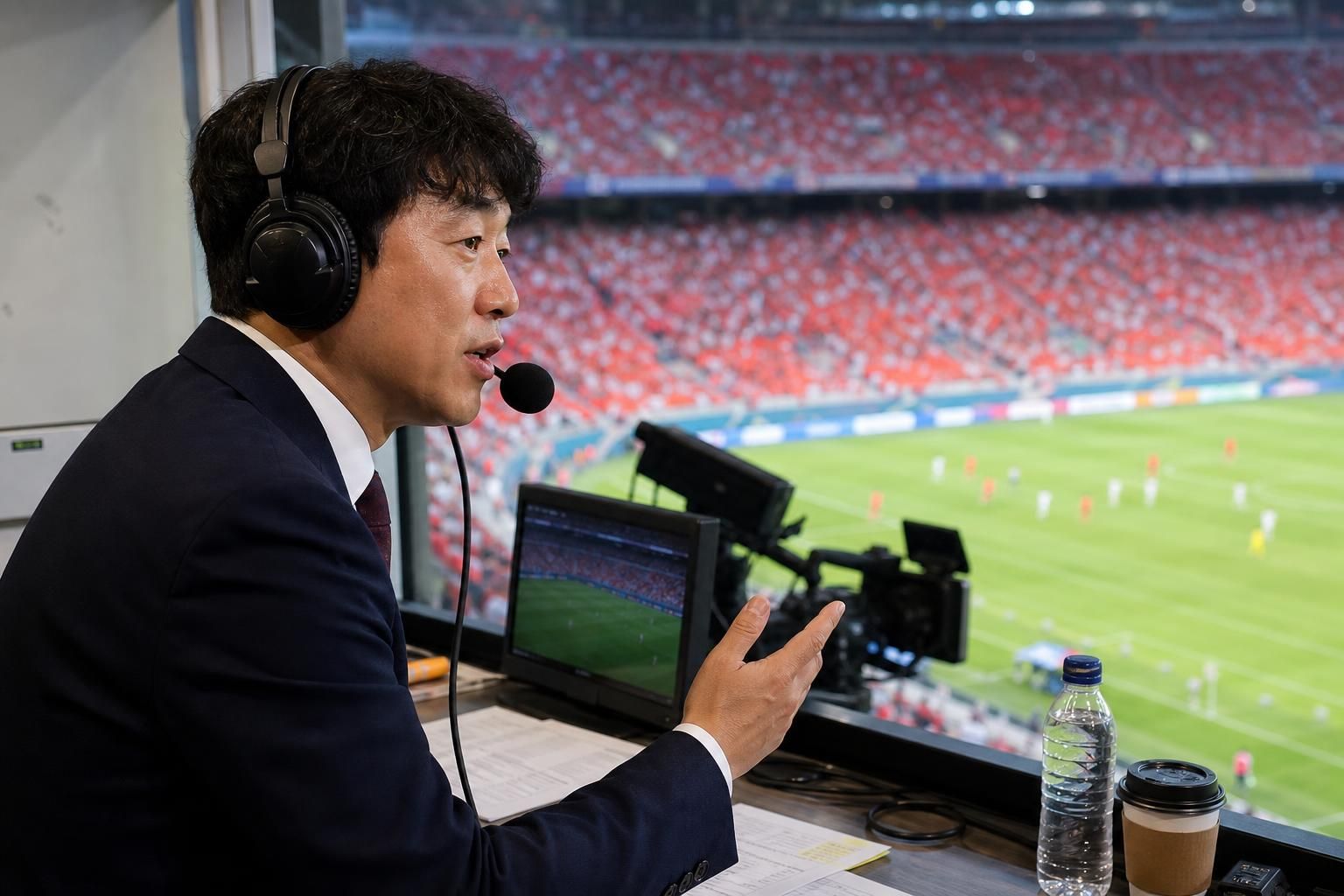
Multiple angles: entertainment, expertise, and audience trust
Supporters of the broadcast team argue that televised sports are not only about tactical analysis; they are also about atmosphere. They point to the reality that hosts sometimes speak informally, and that viewers should consider the format—especially if the show is designed to be more conversational than strictly analytical.
Critics, however, contend that televised sports commentary functions as a kind of public service: it teaches viewers who the players are, what happened in the match, and how to interpret key moments. When viewers perceive that a host appears unfamiliar with names or context, they interpret it as either negligence or a lack of preparation—both of which can become symbolic of broader frustrations with media professionalism.
What to watch next
For the broadcast industry, the immediate follow-up will likely involve how the network frames the incident. Options include addressing viewer concerns directly, clarifying the intent behind the remarks, or adjusting how commentary is structured in future segments. Even if the host’s comments were not meant to be taken literally, prolonged online debate can still pressure producers to tighten standards.
More broadly, the situation may influence hiring and format decisions for upcoming tournament coverage. If the controversy grows, broadcasters could place more constraints on spontaneous remarks during live events, or they may increase the presence of match specialists to reduce the risk of perceived knowledge gaps. For fans, the key question is whether future broadcasts restore confidence—or whether this becomes another example of a sports-entertainment hybrid model clashing with audience expectations.


Join the Conversation
Log in to share your thoughts and join the conversation with other fans.