
Jeonghan’s Military “Hair Designer” Introduction Sparks Discussion on Celebrity Identity and Persona

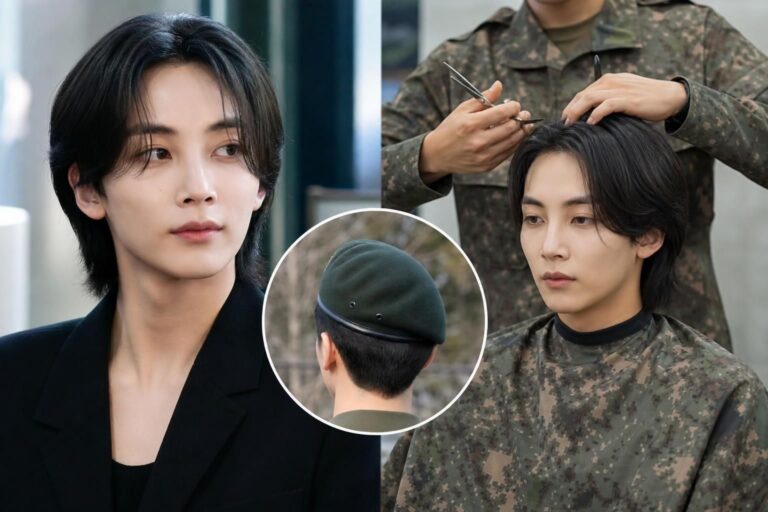
After SEVENTEEN’s Jeonghan completed his military discharge, an online post from a former training-camp colleague resurfaced a curious detail about how he presented himself during service—sparking fresh debate about how celebrities manage public persona versus everyday identity.
According to the post, Jeonghan allegedly introduced himself as a “hair designer” while serving alongside others in the same unit. The colleague wrote that most people did not recognize him as an idol during the first phase of their time together, and that only later did a particular moment reveal who he really was.
A “Hair Designer” Intro Highlights the Gap Between Persona and Reality
The post claimed that the training unit had 14 people who stayed together throughout the camp. The colleague said that, at first, even he did not realize Jeonghan was part of SEVENTEEN. In the description, Jeonghan’s communication style was reportedly a major factor: he spoke so well about hair design that the colleague assumed he must have many clients.
The colleague also added that Jeonghan’s appearance—described as notably handsome with skin even smoother than the youngest soldier—made him stand out, yet that attention did not translate into recognition. The implication was that charm and physical presence can exist without an audience-level “celebrity” framing.
For fans, the narrative is being read less as misdirection and more as a reminder of Jeonghan’s off-stage “human” side—one that, in this account, was visible without the idol branding people associate with him.
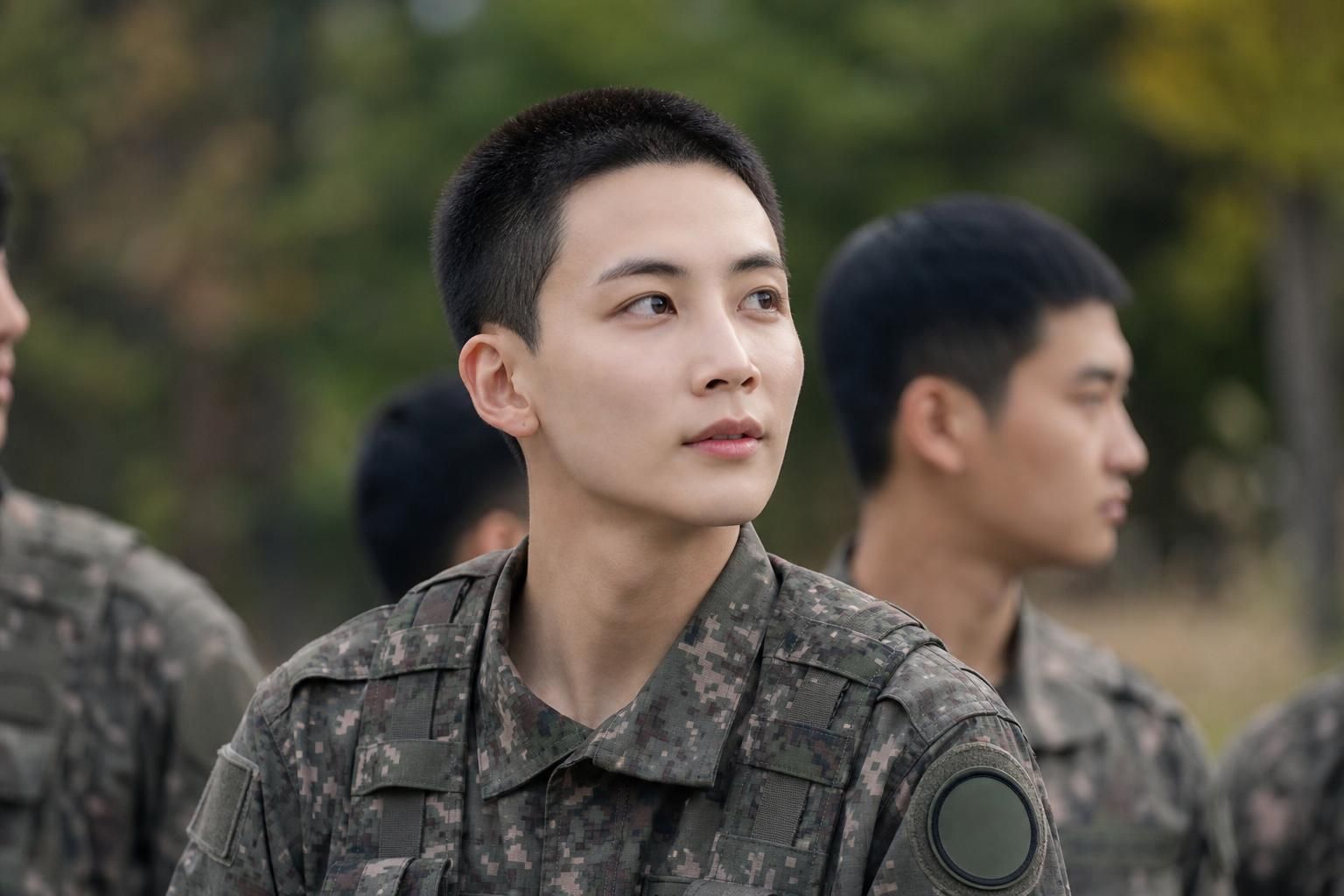
Fans Respond With a Familiar Theme: “See the True Self”
Reactions to the post leaned toward admiration. Many viewers focused on the idea that, even within a setting where celebrity status can be expected to dominate perception, Jeonghan’s presentation allowed others to experience him as a regular person first.
Social commentary around the story reflects a broader pattern in K-pop fandom: when idols are described as considerate, grounded, or able to blend into ordinary life, fans often interpret it as proof that their character is “real,” not just performed for cameras. The fact that the anecdote centers on how he introduced himself—and whether others recognized him—gives that interpretation an extra emotional hook.
At the same time, the story also raises an obvious question: why would an idol choose to frame their background differently in a military setting? While the post does not offer a detailed explanation of Jeonghan’s intent, the result is a clear illustration of how identity can be negotiated depending on context.
Celebrity Identity Online: Another Case Where Speculation Meets Correction
The Jeonghan story arrived amid another social-media dynamic in K-pop circles: speculation leading to misinformation, followed by clarification. In a separate report, NCT’s Jaehyun faced online debate after posting swimming photos with a woman, which fans interpreted as a potential relationship “soft launch.”
That rumor later shifted when, according to the report, a comment clarified that the woman was actually his cousin. The correction prompted criticism of commenters who had escalated speculation, with some noting that Jaehyun may have been inadvertently exposed to intense scrutiny despite the photos being shared with good intentions.
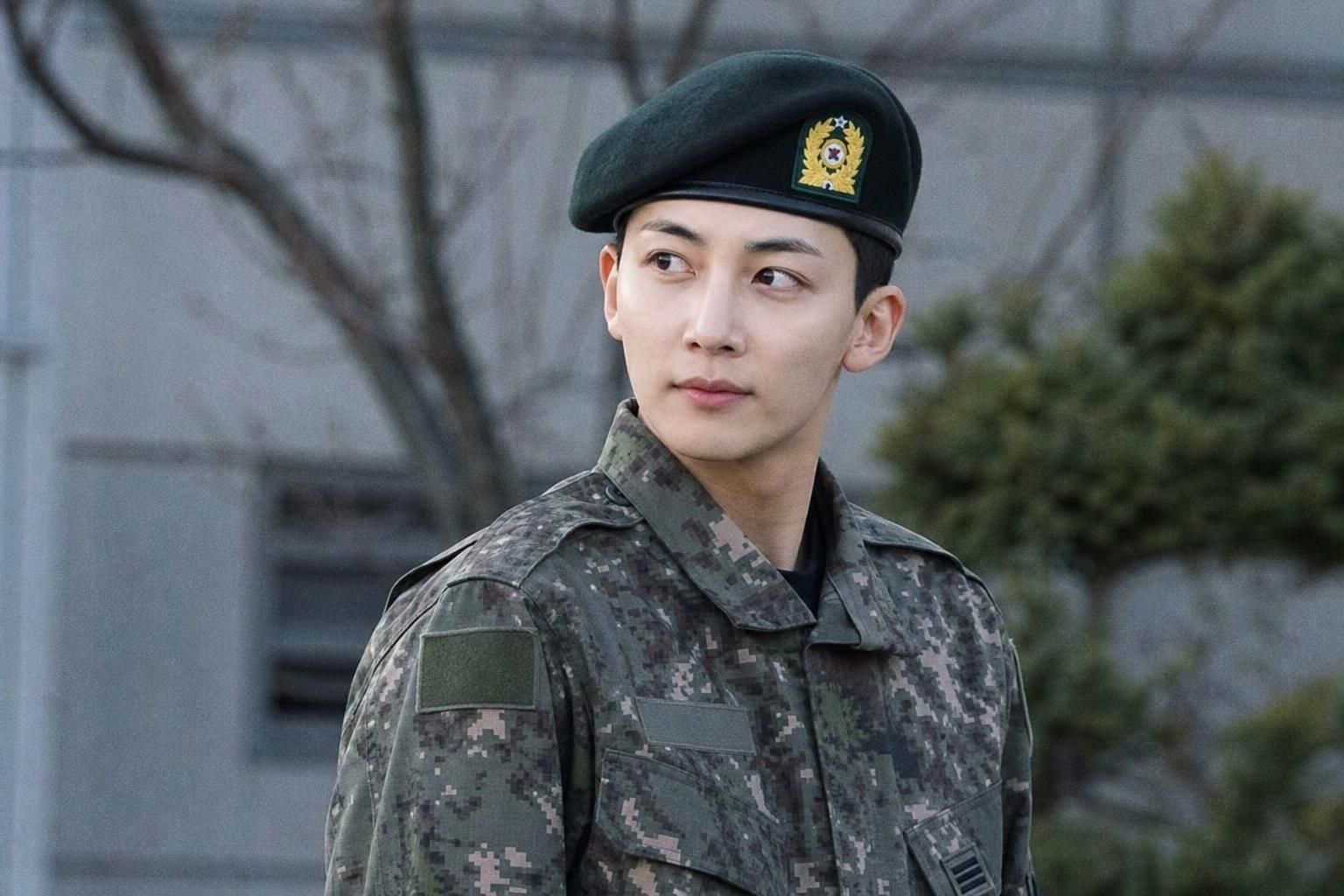
Read together, the two stories echo a shared tension: audiences often fill gaps in information with assumptions, while celebrities are forced to manage how their identities are interpreted—sometimes long after a moment has passed.
Why These Stories Matter: The Cost of “Reading” People
From a cultural standpoint, both incidents point to how quickly “identity signals” are interpreted online. In Jeonghan’s case, recognition (or lack of it) becomes part of the narrative: fans are captivated that he could be perceived as someone outside the idol framework. In Jaehyun’s case, the signals are interpreted as romance, and when the interpretation proves wrong, the reputational impact falls on both the celebrity and the community engaging in speculation.
These dynamics also highlight a key challenge for public figures. Celebrity status can follow them into any environment—especially when they are well-known. Even when an idol tries to present themselves simply, social media ecosystems can turn brief details into broader stories, often before facts are confirmed.
What to Watch Next
In the short term, fan discourse is likely to remain focused on Jeonghan’s military-life “unrecognizable” persona and what it says about the difference between public image and private character. Posts like this tend to resurface periodically, reigniting nostalgia while also shaping how fans remember an idol’s sense of self.
More broadly, expect continued attention on how K-pop communities verify information and how quickly speculation spreads—particularly as platforms make it easy to reinterpret photos and statements. Whether the next viral story involves service, relationships, or everyday moments, these cases suggest that clarification may come after a wave of assumption, reinforcing the importance of context and careful reading.

Join the Conversation
Log in to share your thoughts and join the conversation with other fans.