
Manta Cancels Controversial BL Manga After Outcry Over “White Savior” and Native Portrayals

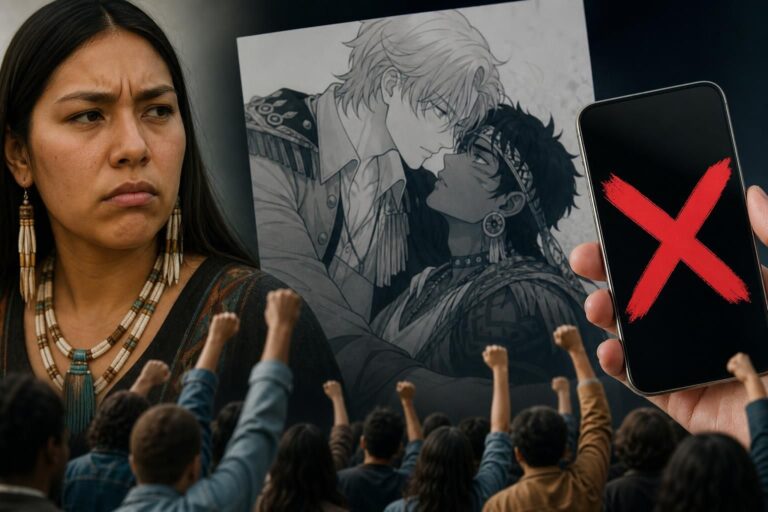
June 25, 2026 — A Korean BL manhwa title has been pulled from sale shortly after controversy erupted over its first chapter’s depiction of slavery and Native American identity, according to a report from Koreaboo. The series, “Song of the Wasteland”, was published in an early-access episode on the Manta platform on June 23. After widespread backlash on social media and among readers, the author announced the series would be discontinued immediately and that the first chapter had been removed from promotional channels.
What triggered the backlash
In the series’ synopsis, the story follows Gerald Dern, a Civil War veteran who inherits a ranch after losing everything, and Ezra, a cowboy described as having mixed Native heritage who presents himself as Dern’s “loyal servant.” In the early chapter, backlash centered on a sequence in which enslaved Africans appear on the ranch. A broker character allegedly suggests that including freed labor would increase the ranch’s sale price. Dern then “frees” the enslaved people and provides them with money.
Critics argued that the narrative framing recycles a “white savior” trope—portraying liberation as something a white character performs through personal generosity, without confronting the systemic violence and dehumanization inherent in slavery. Commentators also criticized how freed people were portrayed visually, describing the depictions as disrespectful.
Native identity and a “slave” self-description
The controversy intensified with Ezra’s characterization. The chapter depicts Ezra calling himself a “humble slave” while framing his relationship through service to a white man. Social media reactions pointed to the layered sensitivity of this language, arguing that it risks echoing historical oppression of Native Americans—including the persecution and coercive assimilation inflicted over generations in North America.
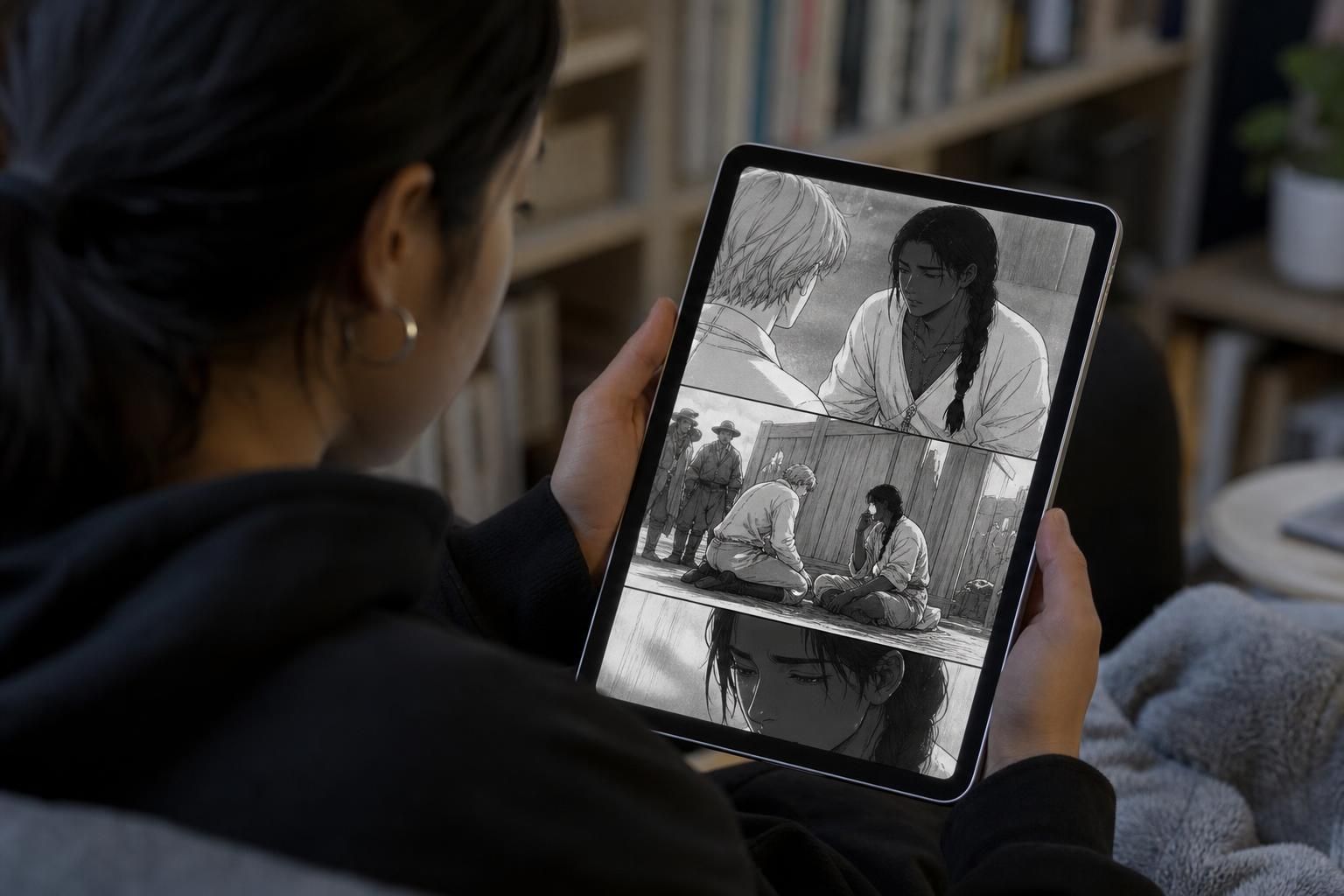
In posts responding to the synopsis and chapter summary, users said the story blended multiple oppressive historical elements while leaning on problematic romance-coded power dynamics. Some critics also challenged the idea that a civil-war-era setting can be treated as a neutral backdrop rather than as a context requiring serious sensitivity.
Author response: criticism accepted, series halted
Following the outcry, the author identified as Jaxx published a statement acknowledging the criticism. According to the report, the author said they “humbly accept” that several scenes in episode one included disrespectful elements and that the creator did not approach the subject and setting with the sensitivity required.
The announcement also indicated a practical end to the project: the series was to be discontinued immediately. The report further states that the first chapter has been removed from the platform and that promotional activity—both on the author’s side and via Manta social channels—had been deleted.
Reactions to the decision were described as mixed. Some readers welcomed the removal as necessary accountability, while others debated whether cancellation or takedown was the only appropriate remedy.
Why this case resonates beyond one title
This incident highlights a tension that has been growing across digital publishing: creators and platforms can distribute stories quickly, but reader communities can mobilize just as fast—especially when content appears to rely on familiar tropes that have long been criticized as harmful. In this case, commenters focused on two overlapping issues:
- Representation and framing: how characters with power (in this case, white or colonizer-coded authority figures) are written to “repair” historical harm through personal actions.
- Historical specificity: how slavery and Native American persecution are treated as set dressing rather than as contexts that demand careful, non-simplifying storytelling.
It also underscores that even genre hybrids—such as BL romance stories set amid historical conflict—do not exempt narratives from scrutiny. The controversy suggests that audiences increasingly expect creators to consider how romance tropes can repackage real-world hierarchies, even when the plot includes overt “liberation” gestures.
What to watch next
With the series paused and episode one removed, the immediate question is what comes next for the author and whether the publisher will add clearer guidance on sensitive historical themes. While Manta’s broader moderation policies are not detailed in the report, platforms facing similar situations often tighten review processes for content that references real-world groups and historical atrocities.
For readers, the case may also influence how future manhwa and webtoon releases handle character language—particularly self-referential terms like “slave”—and how creators depict liberation and trauma. As the dust settles, the long-term impact may be felt less in one removed chapter and more in the standards audiences increasingly demand from creators making stories that intersect with oppression.
Join the Conversation
Log in to share your thoughts and join the conversation with other fans.