
BTS Fans Question Big Hit’s Member-Content Promotion as Debate Flares Over Jungkook Post Visibility

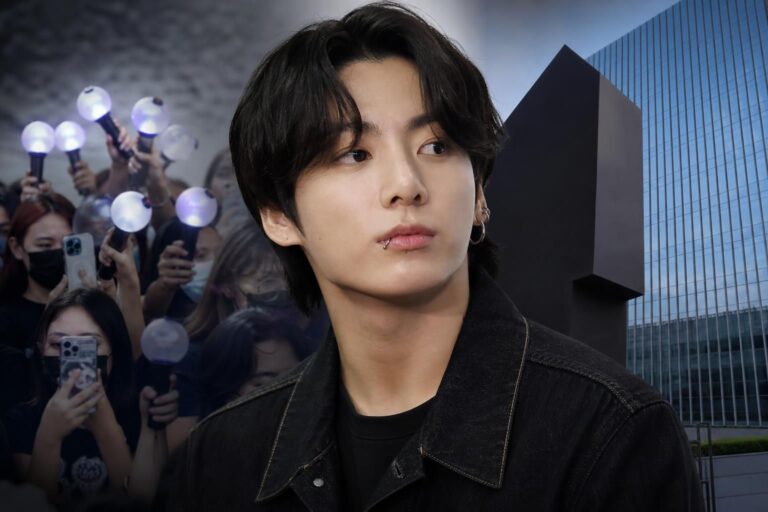
BTS fans are once again debating how aggressively Big Hit Music (BIGHIT ENTERTAINMENT) promotes members’ brand deals and official content—after frustration surfaced that ARMYs only discovered a recent Jungkook post weeks, hours, or sometimes even days after it went live.
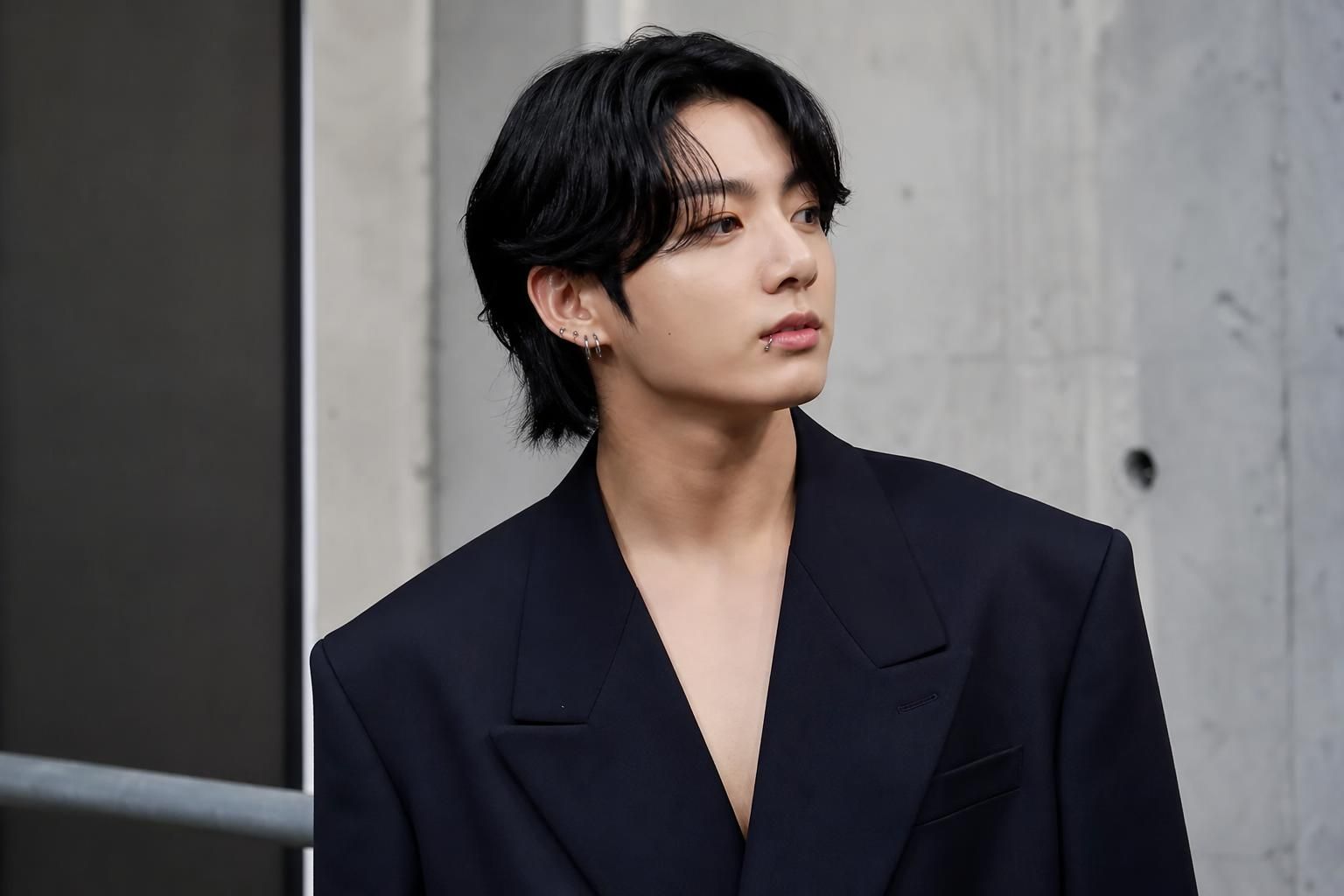
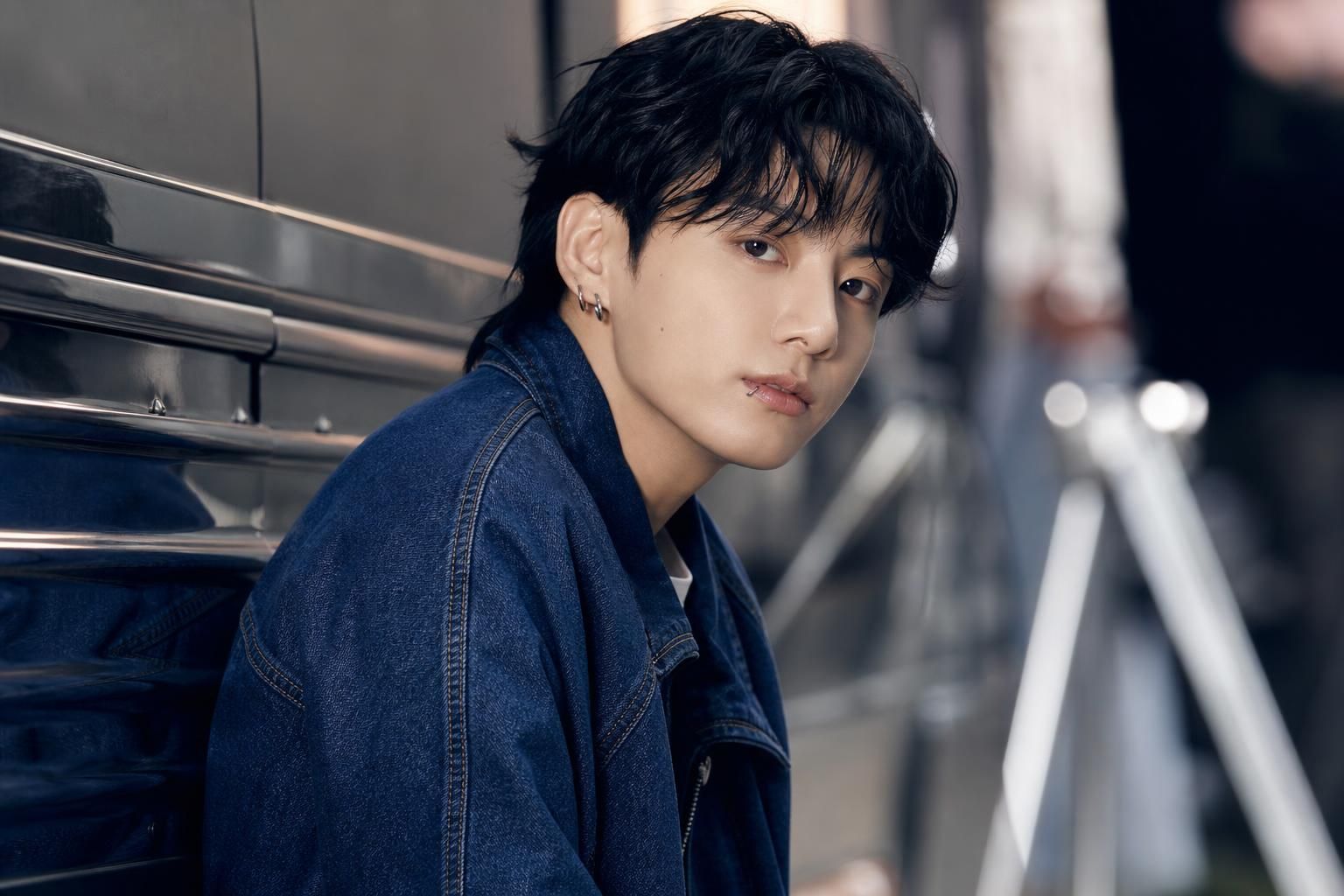
The latest point of contention centers on a Vogue Magazine video that reportedly appeared on June 11, featuring Jungkook documenting his day in Japan tied to a Calvin Klein event. While the clip circulated on social platforms, many fans said they initially had no idea it had been published until they encountered it through other creators’ reposts or recommendations on their feeds.
What ARMYs say went wrong
According to fan posts and reactions shared online, disappointment focused less on whether the content existed and more on how easily it was discoverable. In multiple threads, ARMYs claimed that they did not see Big Hit’s usual amplification for the Vogue-related video, despite it being connected to a major fashion brand and thus potentially reaching a mainstream audience.
One commonly repeated complaint was that the video’s existence became clear only after someone else highlighted it—leaving fans to wonder why the official or semi-official route did not reach them sooner. Some posts also suggested that Big Hit’s promotional strategy may not include the same level of cross-posting that fans expect for magazine features and ad-linked content.
In short, the debate is not framed as a dispute over whether Jungkook appeared in the Vogue segment, but rather over whether the company effectively directed traffic to that content—especially for members whose brand deals are widely discussed across international platforms.
Big Hit fans, counterarguments, and the “expectations gap”
Not all responses aligned with the same interpretation. Other commenters argued that Big Hit has historically operated with a consistent approach: member brand deals and magazine appearances are not always promoted in the same way as official group releases, variety appearances, or coordinated social campaigns.
Several fans pointed out that Big Hit may not regularly post brand-deal promotions on its official channels at all, or at least not in a format that would help fans quickly identify every member highlight. From this perspective, ARMYs’ surprise may stem from an assumption that the company’s visibility footprint for brand content should match the visibility footprint for BTS releases.
Others echoed a similar sentiment: even when Big Hit does share something related to a member’s project, it may not do it through high-frequency updates, spotlight posts, or the kind of segment-based promotion fans often watch for.
Why the issue matters beyond fandom
Although the story is playing out among ARMYs, it highlights a broader question for K-pop agencies operating in an always-on media environment: how should official accounts manage timing, discoverability, and platform algorithms when members participate in international brand ecosystems?
In the case described by fans, the Vogue video tied to a Calvin Klein event represents a high-profile crossover moment. When such content is not surfaced promptly by official channels, mainstream viewers—or casual fans who rely on brand-adjacent social recommendations—may miss it. That can also affect how quickly the content trends, how much it circulates, and which narratives gain traction first.
For agencies, this is a delicate balance. Over-promoting every external feature can clutter official feeds and drive down engagement for core BTS updates. Under-promoting, however, risks leaving discovery to rumor cycles and indirect reposts—meaning the first wave of attention can come from fans rather than from institutional channels.
The larger signal: “brand deals” vs. “agency promotion”
The disagreement also suggests that fans may be measuring Big Hit’s performance against a standard that differs depending on expectations. Some view promotional posts as a basic responsibility of official accounts whenever a member’s visibility intersects with global brands. Others interpret agency communication as selective—prioritizing certain releases and leaving brand content to the brand outlets themselves.
What makes this debate particularly salient is that the Jungkook Vogue clip appears to have been posted publicly, but fans perceived that the path to finding it was not straightforward. That combination—public release, limited official surfacing—creates fertile ground for assumptions about intent, favoritism, or simply gaps in workflow.
Whether the issue is driven by strategy, staffing, timing, or channel-specific habits, the public reactions show how quickly fandoms can shift from celebratory to skeptical when official visibility is perceived to lag.
What to watch next
In the near term, fans will likely watch for whether Big Hit updates its approach to brand-deal visibility—particularly for magazine and fashion-market content that tends to draw international attention. If additional Jungkook posts from the same Vogue/Calvin Klein cycle receive official amplification, it could calm concerns about timing and discoverability.
More broadly, the discussion may influence how ARMYs interpret future agency updates: whether they treat member brand content as something the company will spotlight consistently, or as something fans should expect to track through brand channels, third-party reposts, and social recommendations.
Either way, the story underscores a fast-changing reality in K-pop publicity: in an algorithm-driven world, promotion isn’t only about publishing—it’s about being found.


Join the Conversation
Log in to share your thoughts and join the conversation with other fans.
I like that this gives the story some room to breathe. Curious how people sit with it after reading.