
K-Pop Boy Group and Actor Controversies Highlight Growing Crackdown on Misconduct and Hate Speech

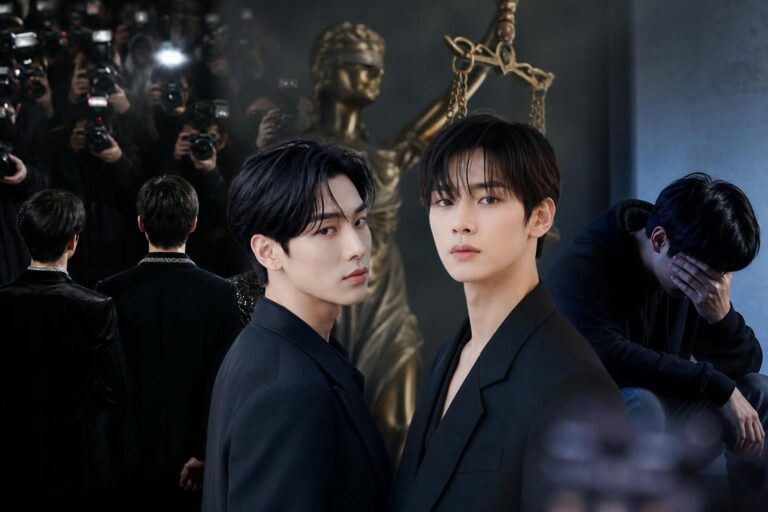
In South Korea’s entertainment industry, two fresh controversies—one tied to allegations of inappropriate relationships and another sparked by accusations of racism and misogyny—have reignited debates over accountability, online rumor culture, and the reputational risks celebrities face in the age of fast-spreading clips. Over the past day, a newly debuted boy group denied dating rumors involving a staff photographer, while a K-pop idol faced a major backlash after participating in a “wildly racist” online trend. Separately, an A-list actor drew harsh criticism after older comments about women’s clothing resurfaced online.
Boy group denies “polyamorous” dating claims involving staffer
According to reports from Koreaboo, members of the boy group T.O.P were embroiled in dating rumors alleging that two idols—Zhu Zhixin and Su Xinhao—were each romantically linked to the same photographer involved in a photo shoot. Fans circulated what they described as “proof,” including details such as a song release tied to a photographer’s birthday and claims of “matching” couple items.
TF Entertainment, the group’s agency, moved quickly to address the allegations. On June 22, the company issued a statement denying any romantic involvement between the photographer and either idol, characterizing the claims as malicious fabrications. The agency also warned that individuals responsible for spreading the rumors would face legal action, a message that underscores how quickly personal-dating narratives can escalate from online speculation into potential legal disputes.
The case highlights a common pattern in celebrity news: partial or circumstantial “evidence” can snowball on social media, especially when fans interpret song release dates, captions, or styling choices as coded relationship signals. For the agency, the priority appears twofold—first to stop the rumor from hardening into a lasting public narrative, and second to deter further posts by signaling legal consequences.

Idol apologizes after participating in anti-Black “Baby Natasha” trend
Just as the T.O.P situation unfolded, another K-pop story surged internationally—this time involving accusations of racism. Koreaboo reported that DREAMCATCHER member Handong was criticized after participating in what online commenters described as a “wildly racist” trend circulating on Chinese social media.
The controversy centered on videos featuring a doll/stress toy referred to as Baby Natasha, in which the doll was shown being punched, punctured, and treated roughly. The outrage, according to reports, stemmed not only from the violence itself but from the doll’s racial depiction: the controversy highlighted that the toy was consistently black, while alternatives with different skin tones were reportedly available. Additional posts on social media allegedly compared or repurposed the “Baby Natasha” framing to real Black children, according to accounts summarized in the coverage—an approach critics say dehumanizes Black kids and promotes anti-Black attitudes.
In the midst of the backlash, Handong reportedly posted an Instagram photo showing her holding the “Baby Natasha” doll by the head and laughing while taking a picture. After the post triggered public anger—some fans saying they were ashamed and even considering dropping fandom—she issued an apology and deleted the image from a photo set.
However, the controversy did not settle neatly. A segment of the audience remained unconvinced, arguing that if the trend was widely recognized as racist, then the idol should have understood the implications rather than relying on an “unaware” explanation. The situation reflects a broader trend in celebrity accountability debates: apologies may reduce immediate harm, but audiences increasingly demand not just regret, but demonstrable understanding of why the content is harmful.
Actor backlash after misogynistic comments about women’s clothing resurface
Across Korean entertainment more broadly, an A-list actor Yoo Yeon Seok faced mounting backlash after older remarks resurfaced online. Koreaboo reported that the criticism began when he responded to posts on X (formerly Twitter) asking netizens to name “problematic Korean actors.” In the ensuing controversy, Yoo Yeon Seok was linked to a resurfaced video clip in which he argued that men interpret overly covered-up women as disinterested. In the actor’s framing, he suggested that women should wear revealing clothing around men to attract attention.
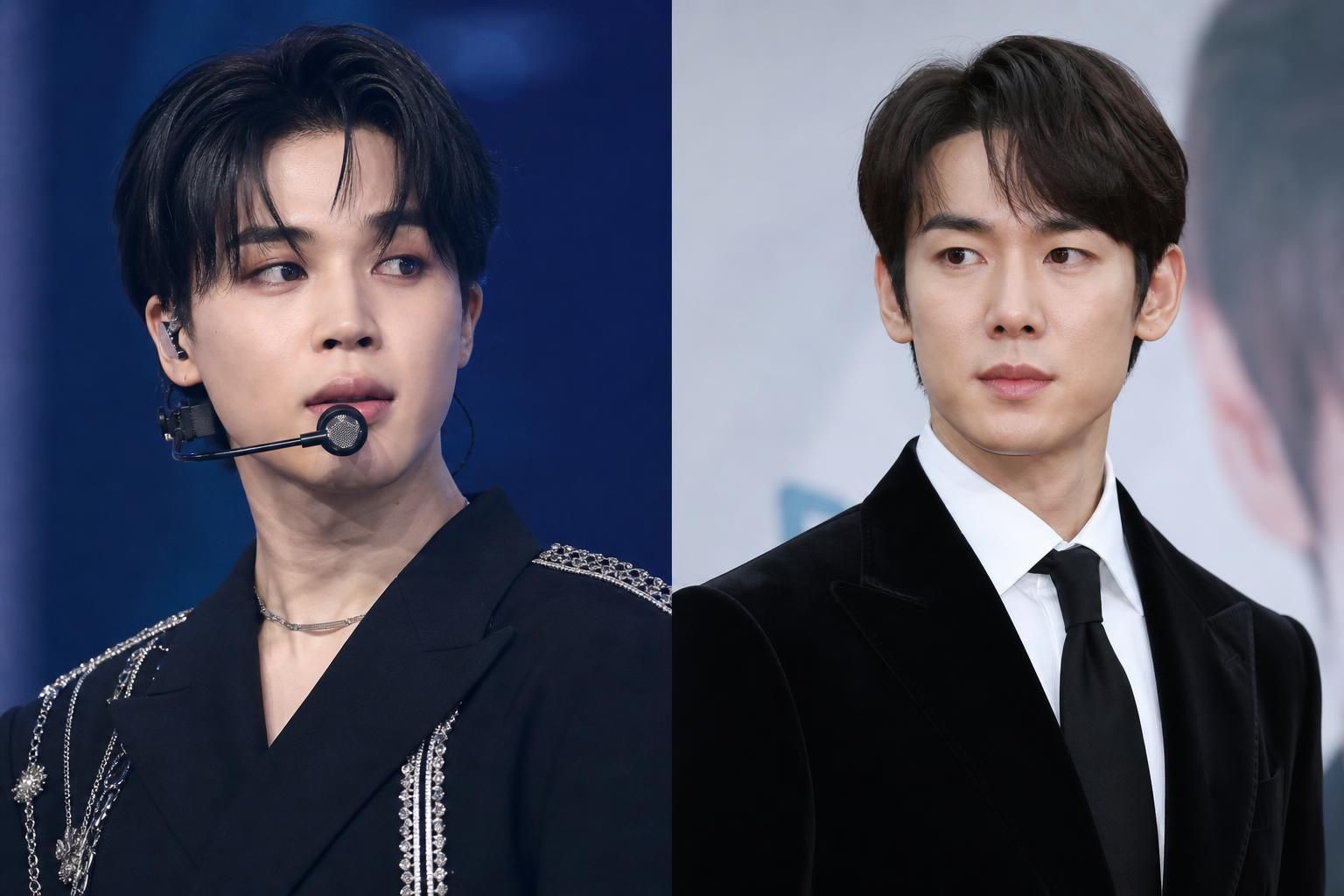
The controversy intensified when the reports say he also directed remarks toward his co-star Moon Chae Won during the clip’s original promotional context—implying that her conservative styling related to why she wasn’t dating. While the clip originally aired years ago (from a 2016 interview tied to their movie promotion), netizens said the message remained harmful, arguing it echoes misogynistic or “incel-adjacent” logic about women’s clothing and implied entitlement to attention.
According to Koreaboo, the criticism spilled into practical consequences: some viewers reportedly vowed to avoid his upcoming drama, suggesting the backlash could affect audience sentiment and marketing outcomes. The case also mirrors a familiar media dynamic—one where older clips become “new news” once social networks amplify them and give audiences fresh chances to re-litigate cultural issues through viral commentary.
Why these stories matter—and what to watch next
Taken together, these three controversies illustrate how quickly reputational crises can form in today’s entertainment ecosystem—whether driven by rumored relationships, participation in culturally offensive trends, or statements perceived as degrading toward women. They also show different accountability paths: agencies may issue legal threats to rumors, celebrities may apologize and delete content after backlash, and public opinion can directly influence whether audiences support a project.
Looking ahead, the next developments likely hinge on two factors. First is whether agencies or the individuals involved escalate into formal legal or institutional responses—especially in the boy group rumor case, where legal action is already being referenced. Second is whether public pressure translates into sustained shifts in fandom behavior or commercial support, particularly in the actor and idol controversies, where apologies and deleted posts may or may not be treated as sufficient by online communities.
Join the Conversation
Log in to share your thoughts and join the conversation with other fans.