
Arrival-Identity Rules Tighten After Airport “Verification” Controversies in South Korea

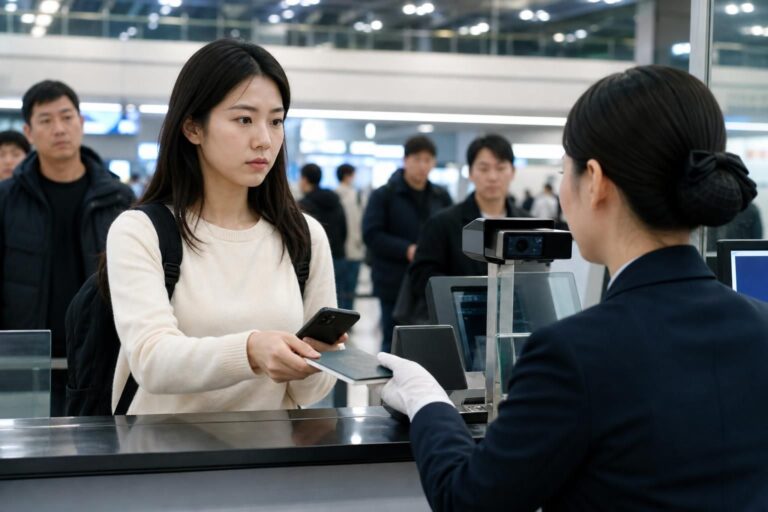
Background: A public dispute over airport identity checks
South Korea’s airport identity-verification procedures have come under heightened scrutiny after a widely discussed controversy involving a high-profile celebrity’s departure process. Multiple reports circulated that identification guidance at Korean airports was strengthened—particularly in situations where standard checks are difficult—after questions were raised about whether rules were being applied consistently.
According to coverage summarized in the news digest, the Korea Airports Corporation (한국공항공사) clarified that if identity verification proves difficult, additional requests can be made to help complete the process. The controversy, as reflected by the reporting, centered on whether the traveler’s identity could be confirmed smoothly during screening and whether the application of the airport’s verification workflow differed in practice for well-known individuals.
What changed: clearer instructions when identification is “hard”
The core point reported by media is that airports may refine on-site instructions to staff and passengers when identity confirmation cannot be completed in the usual way. In one thread of coverage, the dispute escalated into calls for more explicit guidance—especially regarding what travelers should do (such as removing barriers to facial recognition) when identification systems and manual checks require additional clarity.
While the specific operational steps were not presented as a single nationwide “new law,” the reporting suggests a practical tightening: staff may be directed to request extra steps when an individual cannot be reliably verified. This framing matters because airports rely on multiple signals—document checks, photo comparison, and biometric or visual confirmation—each of which can be affected by factors like lighting, facial coverings, camera angle, or changes in appearance.
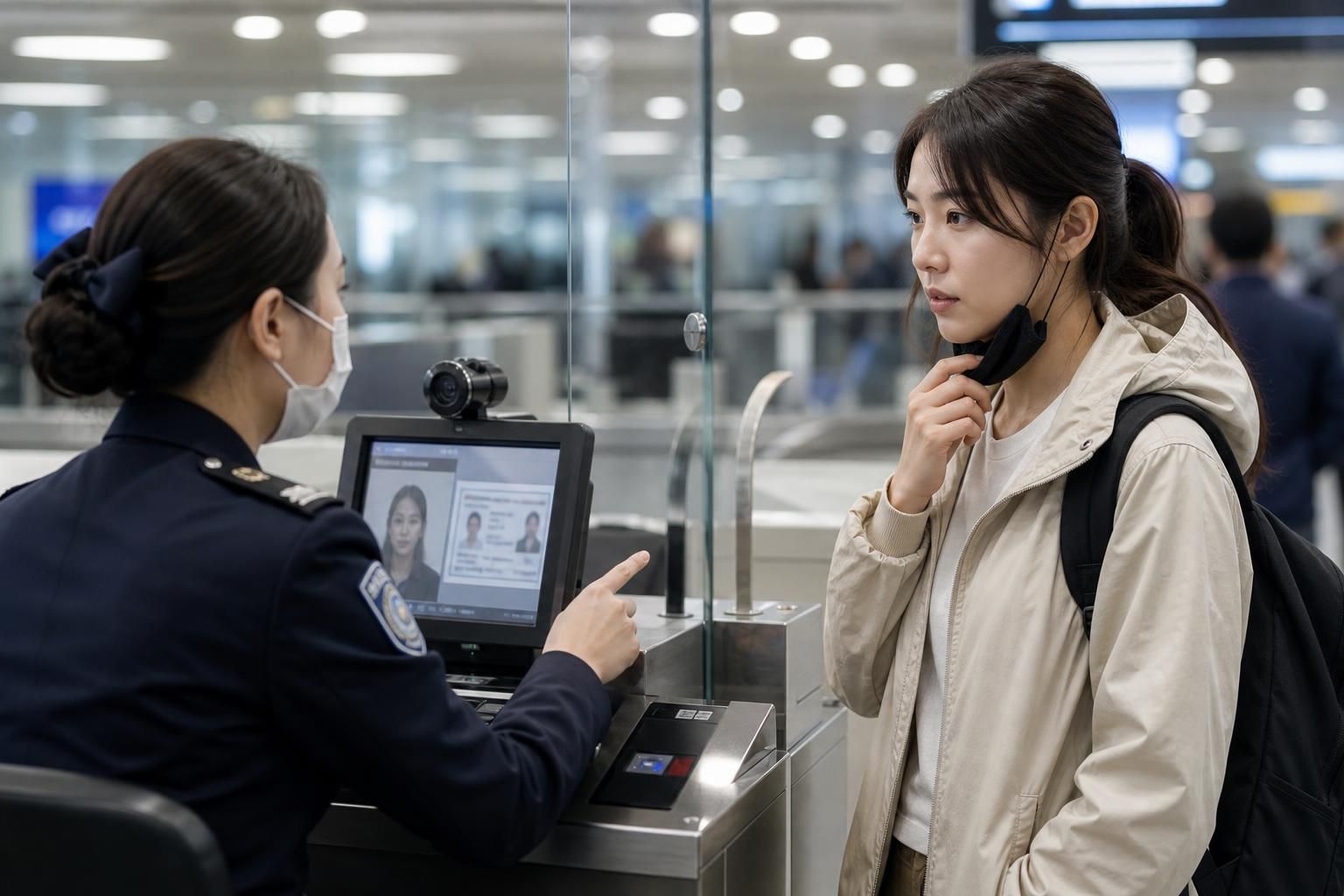
One of the most notable dynamics in the controversy was the public debate over fairness: commentators alleged that celebrities might receive more lenient treatment than ordinary travelers. In response, the airport authority emphasized that procedures should remain focused on verification accuracy rather than a passenger’s fame.
Why it matters: balancing security, accuracy, and privacy
Airports operate under strict compliance expectations, but high-visibility incidents quickly transform operational questions into broader debates about privacy and proportionality. Identity checks sit at the intersection of aviation security and data-driven verification systems; when passengers cannot be reliably matched to their documents, staff face a choice between delaying processing and requesting additional verification steps.
In this case, the reporting indicates the authority’s stance: if the system or staff cannot confirm identity, additional verification requests are justified to complete the process safely. Critics, however, argue that increased verification steps can become intrusive if not clearly standardized. Supporters counter that consistency is precisely what should be enforced—ensuring every traveler receives the same requirements, not a “two-tier” system based on social status.
These debates are not unique to South Korea. Across the aviation industry, public pressure has increased around how biometric and identity verification are implemented, how staff handle exceptions, and how visibly those exceptions are communicated at the point of travel.
Public reaction: “special treatment” concerns and calls for consistency
Social media and mainstream coverage reflected polarized reactions. Some observers focused on the immediate scene—what was visible during the screening process, what instructions were given, and whether the passenger complied with recommended steps. Others raised the larger issue: even if verification rules exist, passengers and the public may interpret outcomes through the lens of celebrity culture.
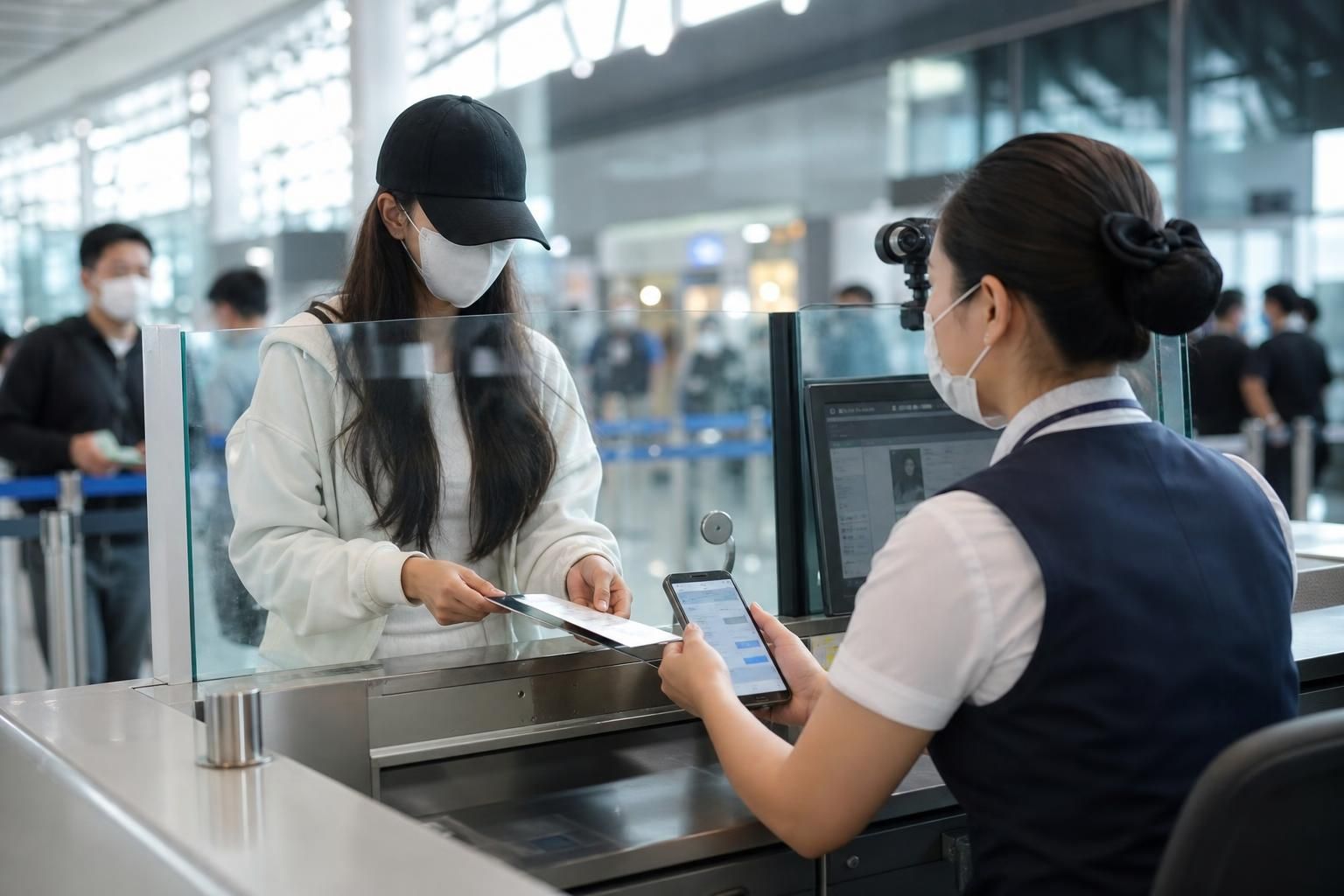
The digest also highlights a recurring concern in such cases: that guidance might be perceived as being applied differently to famous individuals. The airport authority’s clarification—namely that additional requests may be made when identification is unclear—can be read as an attempt to re-center the conversation on procedure rather than personality.
At the same time, the controversy underscores a communications challenge for airports. Even minor inconsistencies in how staff explain processes can be amplified quickly, especially when photos or short clips circulate from airport terminals.
What to watch next: staff training, policy clarity, and passenger trust
For travelers, the near-term implication is straightforward: if identity verification is disrupted, airports may ask passengers to take additional steps to ensure an accurate match. That could include requests that improve visual recognition (for example, removing items that obscure facial features when needed) or repeating checks through alternative methods.
For aviation authorities, the next phase likely involves clearer public-facing communication: ensuring travelers understand what triggers additional verification and what those steps are. If airports can articulate the criteria—without exposing sensitive operational details—public trust may improve, especially after disputes that suggest inconsistent treatment.
More broadly, the incident could contribute to a continuing trend in which identity-check procedures are reviewed not only for technical performance, but also for perceived fairness and transparency. As digital verification systems become more common, how airports explain and standardize exceptions may become as important as the checks themselves.
![[celebrity court, dui case, korean comedian] featured image - South Korean Comedian Lee Jin-ho Faces Charges Over Alleged Ill...](https://d1ycet1ctov4dv.cloudfront.net/wp-content/uploads/2026/06/27100120/celebrity-court-dui-case-korean-comedian-1782522080050-300x200.jpg)
Join the Conversation
Log in to share your thoughts and join the conversation with other fans.