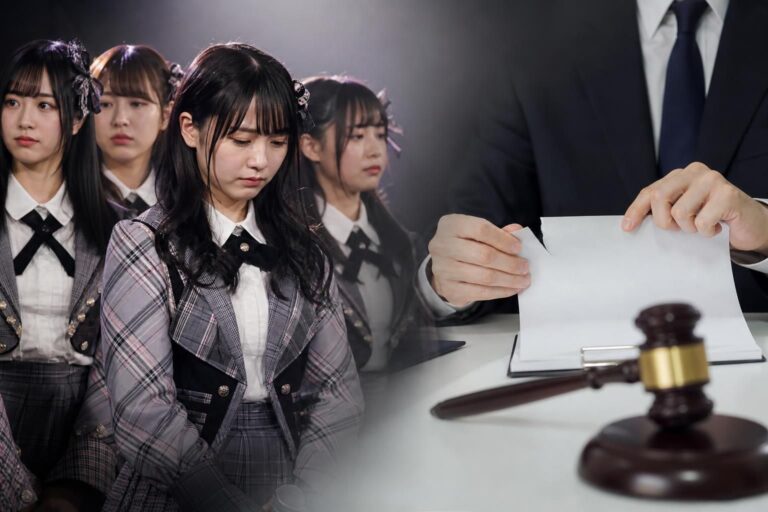
AKB48 Cancels Member Contract After Fan-Contact Probe, Marking a First for the Group AI-generated image visualizing the key points.
AKB48 has terminated its exclusive contract with member Hanaida Mei, the group announced June 23—marking the first contract termination in AKB48’s history. The decision follows an internal investigation into a series of issues, including repeated late arrivals for activities cited as related to health concerns and, later, alleged contact with a specific fan that is prohibited under AKB48 rules.
According to AKB48’s statement, trouble began around December 2025, when Mei—nicknamed “Meimei”—repeatedly arrived late to scheduled activities, claiming health-related reasons. Management subsequently suspended parts of her schedule so she could focus on treatment, aligning with a previously publicized hiatus. However, the situation escalated after investigators reportedly determined that she had been in contact with a specific fan, a conduct the group said it strictly forbids.
AI-generated image visualizing the article’s key points. It said Mei refused to participate in discussions about her potential return and declined to…
Fan-contact rules and why management says it matters
In its explanation, AKB48 said maintaining connections with particular fans undermines three core priorities: member safety, fairness among members, and the trust of the wider fanbase. The statement also indicated that while Mei claimed she had met the individual only twice “by chance,” interviews with relevant parties reportedly suggested otherwise—namely that multiple meetings had taken place.
The group emphasized that allowing such relationships could expose members to risks and skew the relationship dynamics that the idol-fan system is designed to manage. While details of the alleged meetings were not fully laid out in the announcement, management’s core message was that the behavior, once verified, violated group policy in a way it could not overlook.
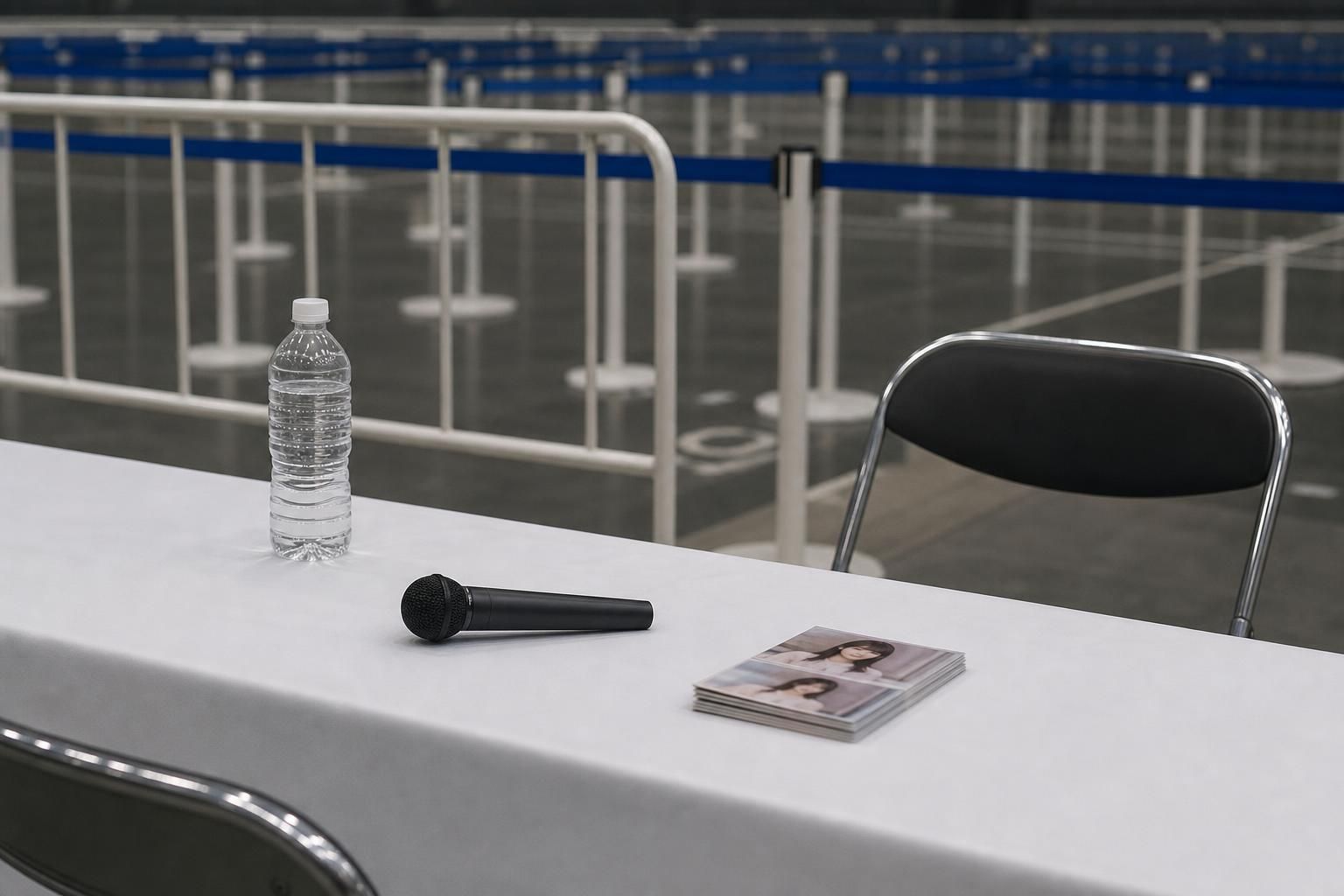
AI-generated image explaining the article’s background and impact. Hanaida Mei, a 19-year-old from Kanagawa, joined AKB48 as a 19th-generation member….
Disputes continued after the investigation
AKB48 further claimed that after management reviewed the findings, the situation worsened due to a lack of cooperation. It said Mei refused to participate in discussions about her potential return and declined to communicate directly with the company.
Mei’s side, as reflected in the group’s statement, involved legal representation. Through her attorney, Takahiro Karasawa, she reportedly requested disciplinary action against members she believed had spoken negatively about her. She also asked that a ban placed on the fan in question be lifted. However, AKB48 said these matters fall under management’s discretion and therefore could not be immediately accommodated, adding that no agreement could be reached. The company also stated that Mei’s attorney later informed them that she had requested that discussions be declined.
Ultimately, after “comprehensively considering all of these circumstances,” AKB48 concluded that termination was unavoidable.
A rare precedent for AKB48
Contract termination is an especially high-stakes step for large idol groups, where rules are typically enforced through bans, suspensions, or managed hiatuses rather than outright dismissal. AKB48’s announcement explicitly highlighted the rarity: management said the decision is the first of its kind in the group’s history.
The move also signals how seriously AKB48 views fan-contact restrictions. Even though the company originally framed the situation as beginning with health-related attendance problems, the investigation’s findings about fan contact appear to be the decisive factor. That shift—from activity disruptions to policy violation—likely narrowed management’s options and increased pressure to act publicly and decisively.
Hanaida Mei, a 19-year-old from Kanagawa, joined AKB48 as a 19th-generation member. She had been active in the group prior to her suspension, and the termination ends her formal ties with the organization effective after the announcement.
What this could mean for the wider idol industry
The case arrives amid broader scrutiny of boundaries between idols and fans across Japan’s idol ecosystem, where fan meetings, handshakes, and event systems are commercially central but regulated by strict guidelines. When “exclusive” connections to particular fans are alleged, it can raise concerns ranging from preferential treatment to the risk of harassment or coercive behavior.
For fans, the decision may be interpreted in two competing ways. Supporters of the rules may see the termination as necessary for protecting members and maintaining fair access to idols. Others may wonder whether the outcome is overly punitive—especially given that Mei’s account reportedly differed from the investigation’s findings.
From a management perspective, AKB48 appears to be aiming to draw a clear boundary: health-related disruptions alone may be addressed through treatment and schedule adjustments, but confirmed prohibited contact with specific fans crosses a line the group is unwilling to tolerate.
What happens next
In the immediate term, AKB48 will likely face follow-up questions from fans about how the investigation was conducted and what internal procedures are now expected to prevent similar situations. The group’s mention of prior bans also suggests that enforcement actions will continue to shape fan behavior, even beyond Mei’s departure.
For Mei, the legal and public-relations path may depend on whether she disputes the group’s conclusions in court or through further statements from her attorney. More broadly, idol agencies may treat this case as a benchmark—both as a warning to members about fan-contact compliance and as an example of the escalation management is willing to pursue when rules are breached.
As the group moves forward, the key question will be whether AKB48 can reassure fans that similar risks will be minimized across the organization—without relying on crisis decisions after trust has already been strained.
The uniKpop News Team delivers timely updates on K-pop, K-dramas, Korean entertainment, music charts, celebrity news, and fan culture for readers around the world.
Join the Conversation
Log in to share your thoughts and join the conversation with other fans.




Join the Conversation
Log in to share your thoughts and join the conversation with other fans.