
BTS’s Jungkook Calls Out Online Haters After Netflix *Cyberpunk: Edgerunners* Tribute

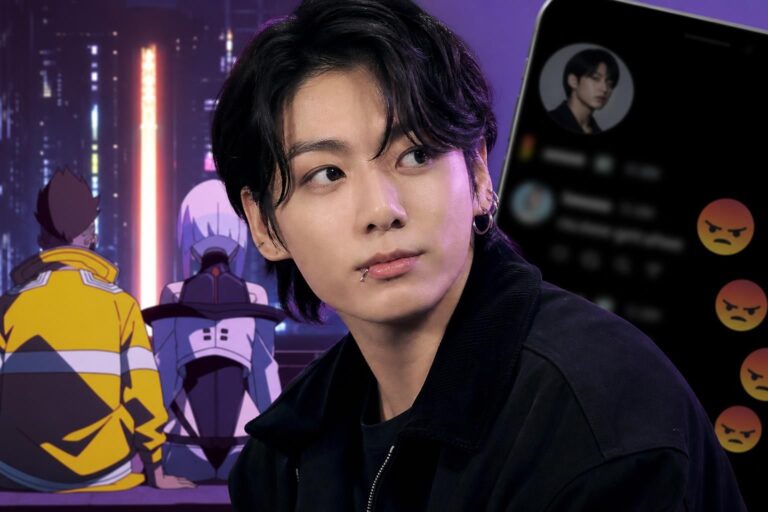
BTS member Jungkook is once again in the spotlight—not for a performance, but for how he responded to online criticism. On June 20, the singer updated his Instagram profile picture with imagery from Netflix’s animated series Cyberpunk: Edgerunners. Shortly after, Netflix Brazil reportedly also engaged with the moment by altering its own account header and description to reference the show, turning the fandom conversation into a broader pop-culture exchange.
But the attention didn’t stop at the fan-friendly collaboration. According to the report, Jungkook later used his Instagram Stories to directly address a hostile message circulating online. The exchange quickly became a talking point across social platforms, highlighting both the reach of K-pop celebrities online and the fine line artists navigate when confronting harassment.
From profile pic to public pushback
Jungkook’s Instagram update set off a wave of reactions. The profile image change—featuring characters associated with Cyberpunk: Edgerunners—was interpreted by many fans as a personal nod to the Netflix series. The buzz intensified after Netflix Brazil reportedly reciprocated the attention by changing its official account banner to a scene from the show and updating its account description to include the line that “Jungkook watched Cyberpunk: Edgerunners.”
While fan communities often celebrate these crossovers as proof of mainstream cultural influence, the story took a sharper turn when Jungkook referenced a specific Instagram post through his Stories. The message, as characterized in the report, included a dismissive and inflammatory claim about Jungkook and his interests—going as far as suggesting the writer wanted the idol to “go away.”
In response, Jungkook reportedly delivered a blunt rebuttal: “Who do you think you are (to say that)?”
Why the clapback matters
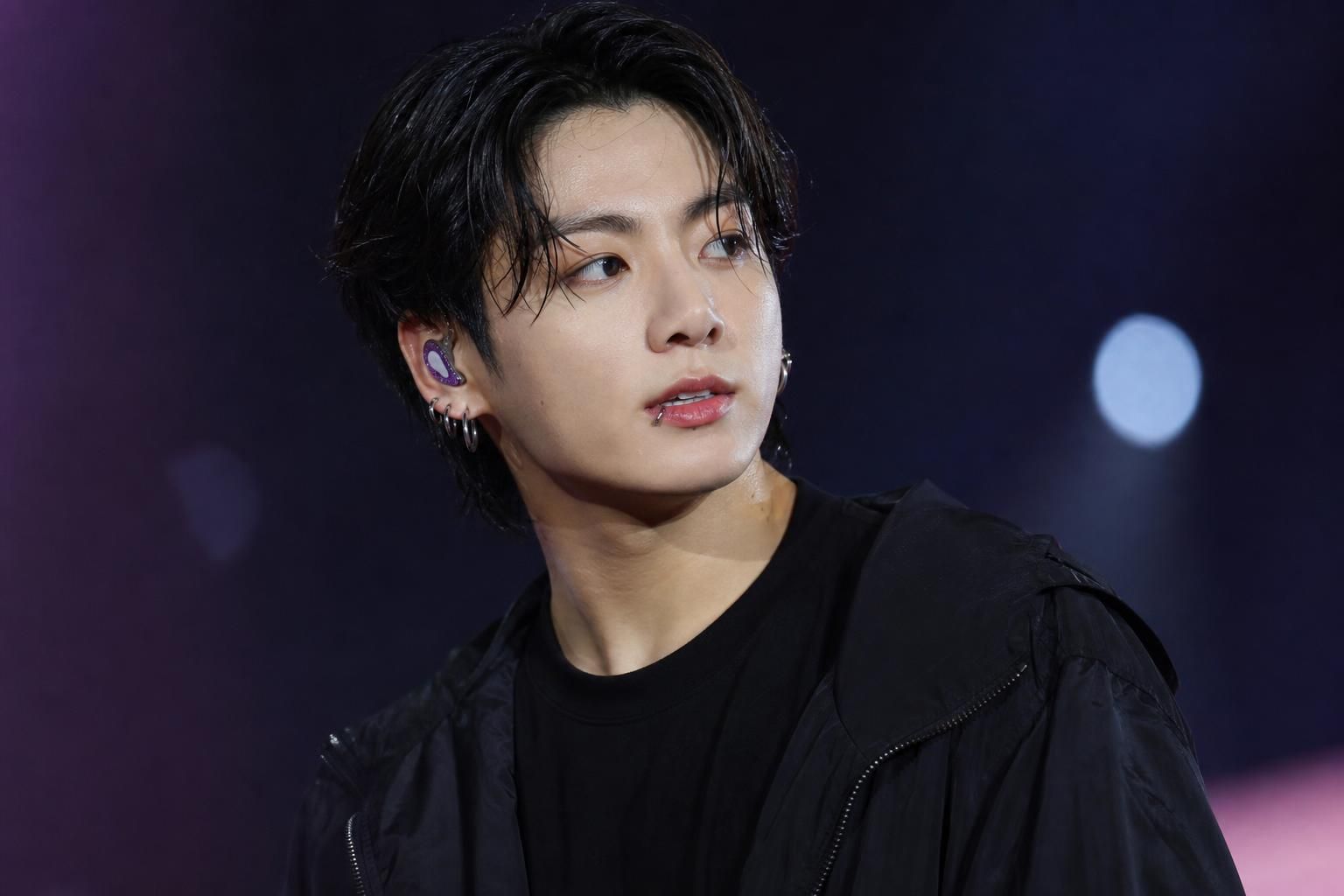
Celebrity “clapbacks” are nothing new in the era of constant social visibility. However, Jungkook’s move is notable for two reasons: it was direct, and it was personal. Rather than ignoring negativity or relying solely on fandom moderation, he used his own platform to push back against a remark that crossed from criticism into contempt.
For fans, the response was framed as validating—something they had hoped Jungkook would do. As the report itself puts it, netizens were “happy he didn’t stay quiet.” That reaction reflects a broader dynamic in K-pop: fans often see their favorite artists as both public figures and targets, and they tend to interpret direct responses as a form of protection—whether from harassment or from narratives that paint the idol unfairly.
At the same time, the incident underscores the risks that come with visibility. When global artists engage with social platforms, hostile commentary can surface quickly and spread widely, especially when audiences interpret celebrity signals—like a profile picture—as intentional statements about lifestyle, fandom, or ideology.
A spotlight on harassment and boundary-setting
The report also notes that Jungkook’s interaction wasn’t isolated to Instagram culture. Social commentary around the situation suggested that critics often “lurk” or follow activity across platforms, and that the idol’s awareness extends beyond one app. While the details in such posts are necessarily informal and do not establish facts on their own, the overall implication is clear: online harassment can be persistent, and it can follow celebrities from platform to platform.
In that context, Jungkook’s Story response functions as boundary-setting. It communicates that the recipient of the harassment is watching—and that dismissive, dehumanizing remarks aren’t acceptable, even when delivered anonymously or indirectly.
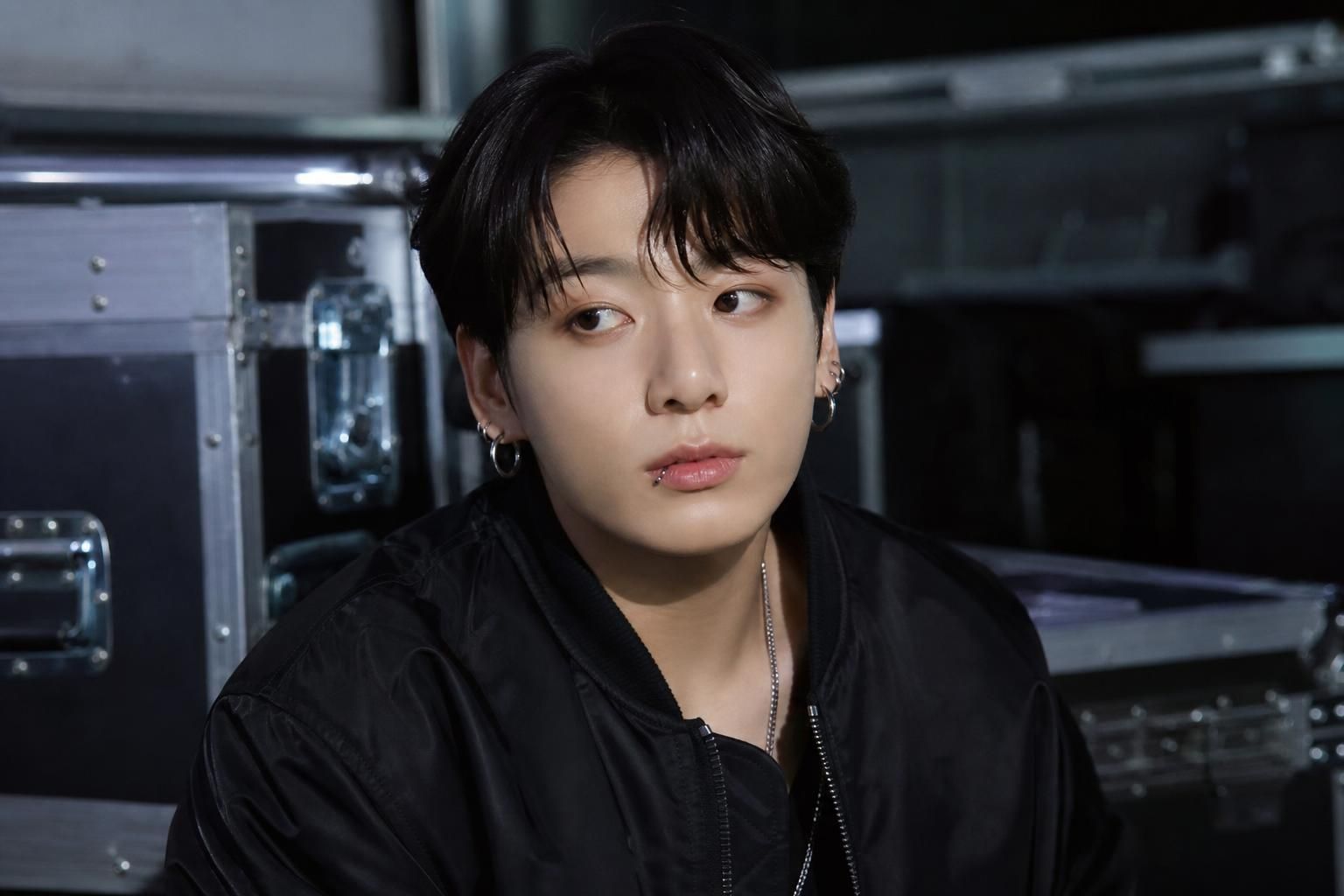
Notably, the report situates this moment within a major real-world schedule for BTS. The group is reportedly on their world tour, Arirang, described as their first full-scale tour since completing military service. That timing matters: when artists are working at a peak pace, fan attention and public scrutiny tend to intensify, and so does the likelihood of negative commentary intersecting with real-life timelines.
Industry impact: when entertainment turns into engagement
Jungkook’s Cyberpunk: Edgerunners profile pic moment also highlights how mainstream entertainment ecosystems now behave like real-time social networks. Streaming platforms and K-pop fandoms interact instantly—sometimes in ways that feel coordinated, even if they’re driven by recognition of audience overlap. Netflix Brazil’s reported account update suggests the algorithm-friendly logic of modern media: if a high-profile celebrity signals interest in a title, brands can capitalize quickly to capture that traffic.
That kind of engagement can be beneficial for visibility, but it also creates a feedback loop where celebrity posts become “content” for both supporters and detractors. In this case, the same attention that elevated a pop-culture reference also produced a harassment message—prompting the artist to respond publicly.
What happens next
The immediate question is whether the exchange will cool down or intensify. Online clapbacks often trigger secondary waves—fans defending the artist, critics amplifying the dispute, and the story evolving into a broader discussion about acceptable behavior online. Given the speed at which social narratives travel, any further Jungkook-related updates—especially during a major tour cycle—could shift the focus quickly.
For brands and entertainment platforms, the bigger takeaway is that celebrity-driven crossovers now function like live marketing events with public accountability. If streaming services choose to reference celebrity signals, they may also find themselves at the center of fandom conversations—both positive and hostile. For artists, the incident may reinforce the importance of controlled engagement: speaking up when harassment crosses a line, while maintaining composure amid a constant feed of reactions.
Join the Conversation
Log in to share your thoughts and join the conversation with other fans.