
South Korea’s JTBC Crisis Plan: Court Approves Up to 18 Months for Restructuring, Spotlighting Media Group Turmoil


South Korea’s JTBC and related companies have entered a longer restructuring window after a court-approved rehabilitation plan timeline that could extend to as long as 1 year and 6 months, according to reporting from Hankyoreh. The development deepens uncertainty for the country’s broadcast and content ecosystem, as stakeholders weigh how governance, financing, and ownership decisions will play out during the rehabilitation process.
Restructuring timetable stretched to 18 months
Under the rehabilitation framework discussed in Hankyoreh’s report, entities including Jungang Holdings (central group-related) may receive court permission for a restructuring plan to be implemented over a period that can reach 18 months. Rehabilitation procedures are designed to stabilize ailing companies while preventing immediate collapse—typically by renegotiating debts and reorganizing operations under court oversight.
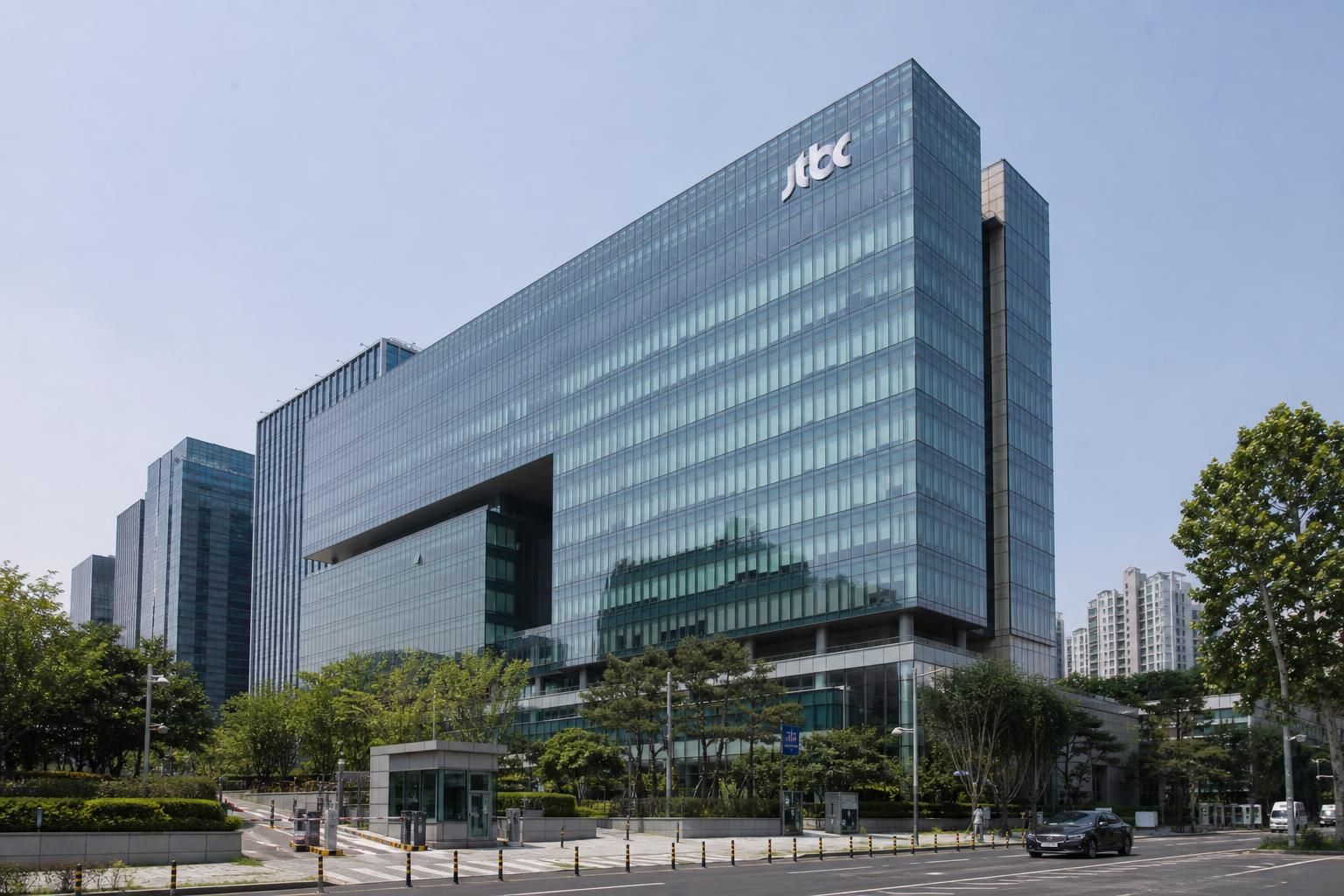
For JTBC, the stakes go beyond corporate solvency. The broadcaster is a flagship part of South Korea’s cable and content market, meaning that delays or governance changes can ripple into advertising, programming continuity, and labor relations. Even if day-to-day operations continue, the length of the rehabilitation window can affect investment decisions and negotiations with partners across the media value chain.
Why the timeline matters for media governance
Media organizations often face dual pressure during restructuring: they must address financial distress while also maintaining credibility with audiences and business partners. In Korea’s case, where public trust and brand reputation are critical, extended rehabilitation timelines can sharpen questions about who controls strategy during the transition.
Other reporting in the digest points to the broader concern of whether the rehabilitation process will involve the current management, third parties, or a hybrid arrangement. That uncertainty matters because rehabilitation is not merely about paperwork—it can change how editorial and commercial priorities are set, especially if assets are sold, liabilities renegotiated, or leadership structures reorganized to satisfy creditors.
Regulatory scrutiny and financial fallout
Alongside court-related developments, the digest also references financial regulators examining parts of the corporate group’s activity—specifically attention to a securities firm’s handling of corporate bond issuance sold to individuals. Such scrutiny signals that JTBC’s parent structures may not be operating in isolation from the wider financial system; rather, their difficulties are likely tied to how capital was raised and distributed in earlier stages.
For investors and consumers alike, these parallel tracks—rehabilitation proceedings and financial oversight—can suggest that stakeholders expect concrete answers on risk management, disclosure, and whether previous funding decisions were appropriate. While regulators do not automatically determine media outcomes, their findings can influence confidence, future access to capital, and creditor negotiations.

Public debate over JTBC’s role and resilience
The digest further includes commentary framing the JTBC situation as a question for Korea’s “media world,” highlighting how a major broadcaster’s instability can become a broader test of whether the industry has effective safeguards against financial fragility. This is especially relevant as South Korea’s content market competes globally and faces shifting economics across advertising, streaming, and production costs.
In practical terms, extended rehabilitation may require JTBC and associated entities to balance short-term continuity (keeping programming and operations stable) with longer-term adjustments (restructuring debt and potentially reorganizing corporate relationships). Observers will likely focus on whether the company can preserve creative production capacity and distribution partnerships without resorting to abrupt cuts that might damage long-term competitiveness.
What happens next
In the coming months, attention will center on whether the court-approved timeline leads to a credible rehabilitation plan with clear benchmarks—such as debt restructuring milestones, asset sales or reorganizations, and changes to governance. A plan stretching toward the upper end of 18 months could also increase pressure for interim decisions, including liquidity management and cost containment measures that directly affect programming schedules.
For viewers, employees, and business partners, the key watch items will be: who is empowered to make operational decisions during rehabilitation, how creditors’ terms evolve, and whether regulatory developments into related financing practices change negotiation positions. For the wider Korean media industry, JTBC’s path may become a reference point for how broadcasters can—and cannot—navigate financial distress without eroding trust.



Join the Conversation
Log in to share your thoughts and join the conversation with other fans.