
Tech Celebrity Culture Takes Center Stage as “Ferrari Flex” Headlines Go Viral in South Korea

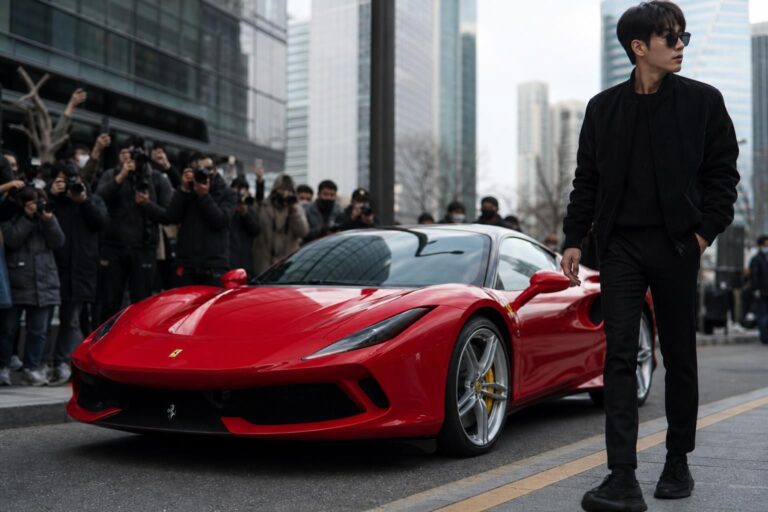
A “Ferrari flex” story dominates the day’s Korean headlines
South Korean media is once again leaning into a familiar intersection of celebrity visibility and high-end luxury, with today’s most discussed item focusing on BLACKPINK’s Lisa. Multiple headlines highlight a new round of “luxury car” imagery—specifically featuring a red Ferrari—sparking fresh debate about branding, wealth signaling, and how audiences interpret celebrity posts.
While the coverage itself is rooted in entertainment reporting, the reaction it draws is broadly “tech-native”: it spreads through short-form sharing, reposts, and commentary loops where viewers treat lifestyle content as a kind of public-facing data point. The “How many cars does the garage hold?” framing in the headlines reflects a common pattern in viral culture—turning a single image into a broader narrative about status, consumption, and lifestyle credibility.
Why luxury car posts become “news” in the social-media era
In traditional celebrity journalism, an appearance or purchase would typically remain within the confines of entertainment pages. But on platforms that reward engagement, luxury items behave differently. They are visually legible, highly searchable, and instantly comparable—especially when the same celebrity is associated with multiple high-value purchases over time.
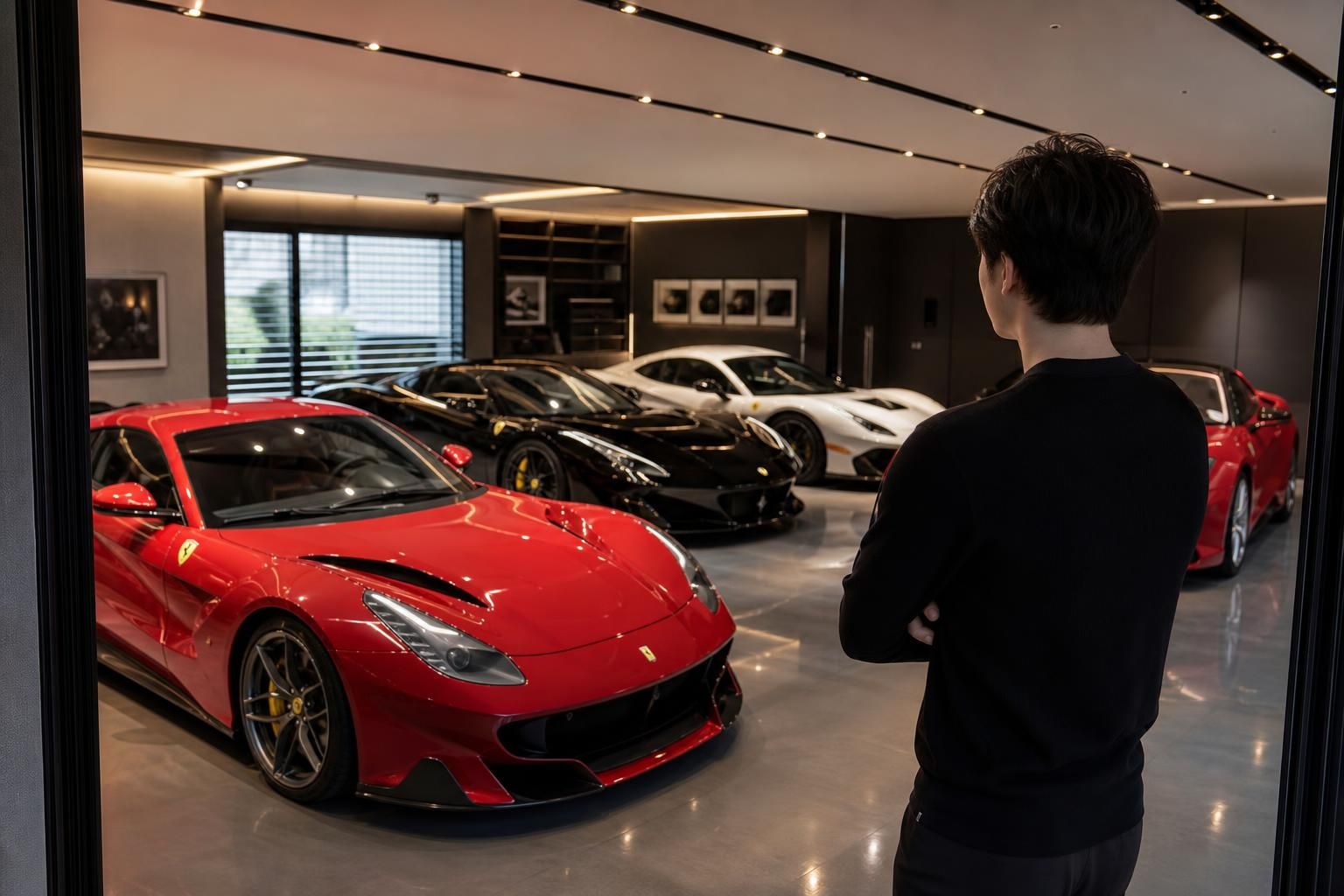
Today’s coverage emphasizes the dramatic, easily recognizable nature of a supercar and ties it directly to Lisa’s public persona. The result is a story that functions as both lifestyle reporting and social-media analysis: the post is read not only as a personal aesthetic choice, but as a statement—about identity, taste, and what the audience assumes is available access to capital.
The “wealth signaling” debate resurfaces
As with earlier rounds of luxury-focused celebrity reporting, the strongest commentary tends to cluster around “FLEX” culture—where displays of wealth are interpreted either as harmless self-expression or as conspicuous status marketing. Headlines that question the capacity of a private garage underline the skepticism angle, with audiences implicitly asking whether the story is “just fun” or whether it is part of a larger strategy to reinforce a public image of ultra-wealth.
At the same time, entertainment outlets also frame the story through aspirational or lifestyle lenses—treating collections of luxury goods as proof of success. This split is typical of engagement-driven reporting: different audiences latch onto different meanings. For fans, it validates aspiration and fandom; for critics, it can look like monetizable spectacle.
What this says about the direction of celebrity coverage
Beyond the specific car brand, the bigger signal from the day’s top headlines is how quickly lifestyle moments are being packaged into viral-ready narratives. The coverage style—question-driven, headline-forward, and built around visual spectacle—matches how social platforms encourage resharing. In that sense, celebrity news is no longer only “reported.” It is optimized for circulation.
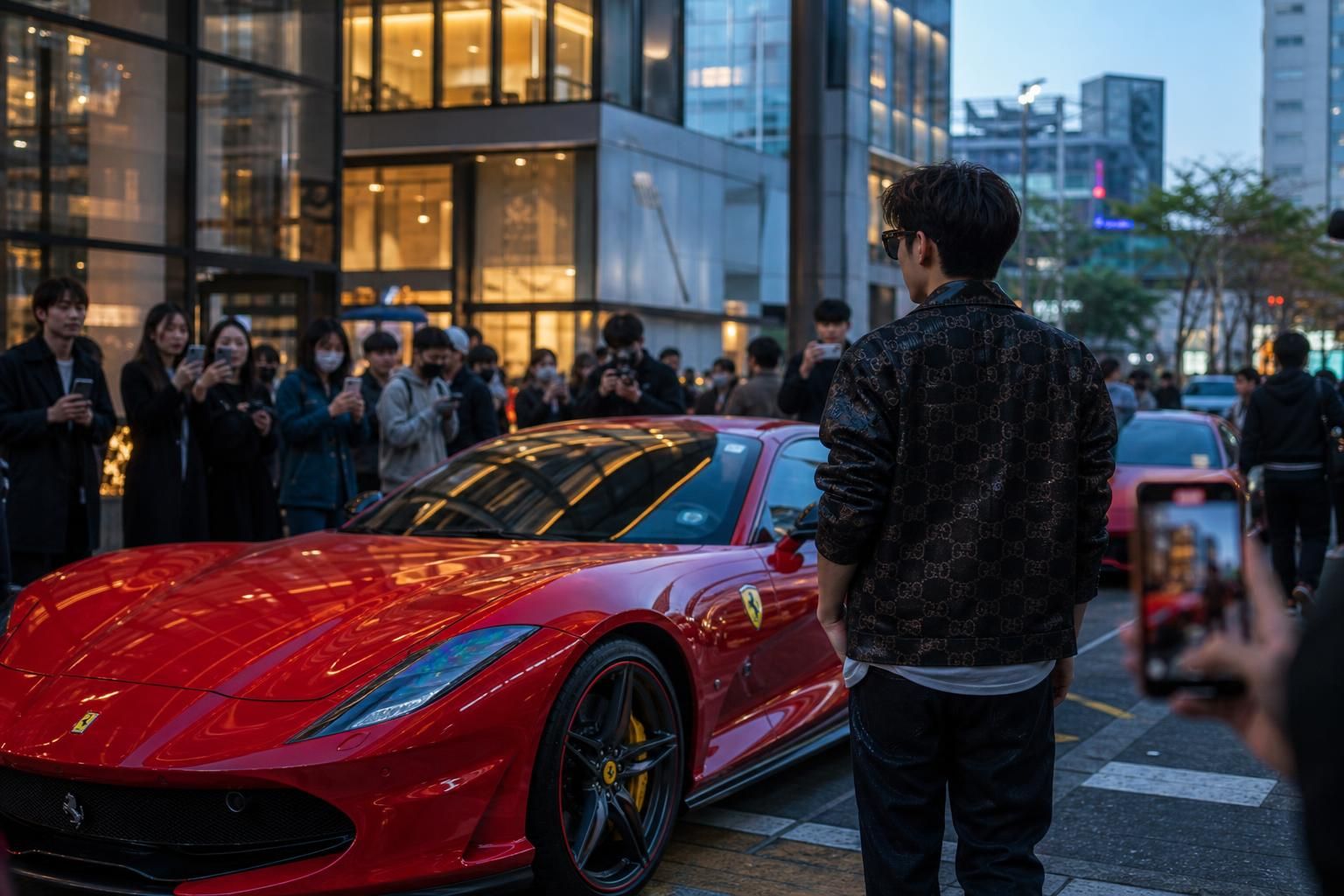
That also explains why even purely entertainment stories can feel algorithmically “urgent.” Once an image or claim begins trending, outlets compete to deliver framing faster than competitors, turning speculation (how many cars, which model, what collection) into near-instant content cycles.
What to watch next
For audiences, the next phase is likely to be more of the same: additional photos, model identification, and follow-up posts that keep the narrative alive. Expect reposting and fact-checking to intensify around the details—down to exact model variants and timelines of a “collection,” whether outlets are confirming or merely accelerating what is being discussed online.
For media watchers, the story is a useful marker of how celebrity coverage now operates: luxury is the hook, virality is the engine, and audience interpretation is the battleground. Whether the “Ferrari flex” ultimately becomes a short-lived trend or a longer-running theme, it highlights the current reality of tech-age entertainment reporting—where lifestyle visuals travel like data and public meaning is constantly negotiated in real time.


Join the Conversation
Log in to share your thoughts and join the conversation with other fans.