
JTBC Halts Production on “Love Again” Amid Contingency Planning, Stirring Renewed Questions About Network Stability


Production paused for a “month of script revision”
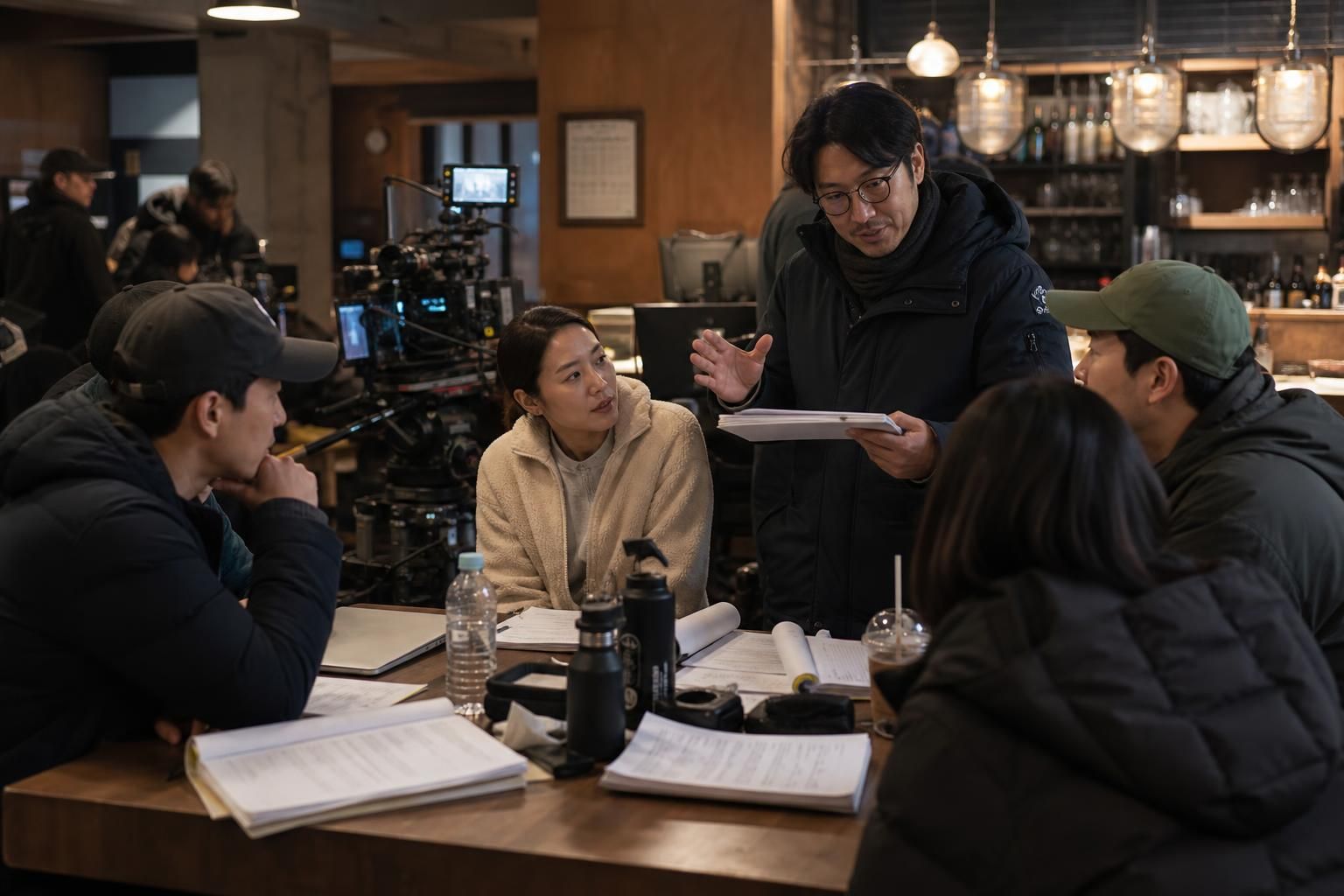
JTBC has temporarily stopped filming its upcoming drama Love Again (Korean title as reported in the local press), according to multiple outlets that cite an official statement from the program’s production side. The pause is expected to last about a month, during which the team will “reorganize” and revise the script, while also accounting for the practical conditions around shooting, including weather considerations.
The decision has quickly become a talking point for audiences, not only because filming interruptions can affect broadcast schedules and advertising timelines, but because the comments come at a time when the broader media industry has been closely monitoring the financial and operational health of major broadcasters.
Why the pause matters for viewers and advertisers
In South Korea’s drama pipeline, production pauses can trigger knock-on effects. Even when a network claims the delay is routine, scheduling shifts can impact casting availability, set usage, and post-production timelines—especially for series that rely on complex locations, heavy visual effects, or fast turnaround edits.
Local reporting framed the adjustment as a deliberate reset rather than a crisis response. The production side reportedly indicated the team would use the time for script and overall planning work, suggesting the pause is intended to improve the final product rather than simply “stop and restart” filming without changes. Still, from an audience perspective, any stop can reshape expectations about release dates and episode pacing.
Network stability concerns resurface
Beyond entertainment logistics, the situation has reignited questions about JTBC’s operating conditions. In particular, the coverage referenced “JTBC receivership” (or related financial restructuring context), implying that viewers are reading the production halt as potentially connected to the network’s wider business challenges.
While the official explanation centered on creative and operational revision, the juxtaposition with financial headlines can influence public interpretation. Media companies are increasingly expected to balance tight production calendars with cost control, and when questions about liquidity or restructuring appear in the news cycle, every scheduling disruption becomes more scrutinized.
Multiple interpretations: creative quality vs. operational pressure
At least two narratives are colliding here. One perspective treats the month-long filming pause as a standard form of quality management—using the time to improve continuity, strengthen story arcs, or adjust dialogue after early review sessions. Under this view, the delay is simply a production tool that many dramas use, even if it becomes more visible when the project is high-profile.
The other perspective sees the interruption as a symptom of operational pressure. When broadcasters face financial constraints, they may tighten spending, renegotiate vendor terms, or adjust production schedules to reduce risk. Script revisions can be both a creative choice and a practical method for managing resources, especially if the production needs to rework scenes to align with available time and budget.

What to watch next
For fans and industry observers, the next developments will likely determine how the delay is ultimately assessed. Key questions include whether Love Again resumes filming on schedule after the announced restructuring period, how the release timeline is adjusted (if at all), and whether JTBC provides additional details about staffing, budget pacing, or editorial changes.
Also worth monitoring are any parallel effects on other JTBC productions. If delays cluster across multiple projects, it would lend weight to concerns about systemic operational strain. If, however, the pause remains isolated and the drama smoothly returns to production, the “script revision” explanation may stand as the dominant narrative.
Industry takeaway
Even without a confirmed causal link, the incident highlights how quickly entertainment news becomes business news in Korea’s fast-moving broadcast environment. A single filming stoppage can ripple through public trust, sponsor expectations, and audience anticipation—especially when financial context is already in the spotlight.
For now, Love Again remains in an official “reorganization” phase. The month-long pause may end up being remembered as a creative reset—or as one more indicator of how precarious scheduling can be when production calendars intersect with broader media pressures.

Join the Conversation
Log in to share your thoughts and join the conversation with other fans.