
JTBC Halts Filming for “Romance of Discovery” for Script Revisions, One Month Into Production


Production temporarily stops after casting announcement
JTBC has announced a temporary pause in filming for its upcoming romance drama Romance of Discovery (연애의 재발견), with the production team citing plans for a “period of reorganization” that includes script adjustments. According to multiple Korean entertainment reports circulated in the past day, the drama’s filming was halted shortly after the project entered production, prompting questions about whether schedule disruptions were related to broader industry conditions.
The decision was reported alongside references to JTBC’s recent business turbulence and ongoing restructuring efforts. While some commentary framed the filming stop as a potential ripple effect of corporate turnaround, the drama’s side emphasized that the pause is specifically tied to operational and creative needs rather than a final cancellation or a long-term suspension.
What the drama’s side says: “one month for script review”
In its statement, the production team indicated that the pause would last roughly a month, during which they would focus on revising the script. The reported message also pointed to production considerations connected to timing—suggesting that the team is using the break to tighten the narrative flow and ensure the drama’s direction is consistent with the expectations set by its early promotional activity.
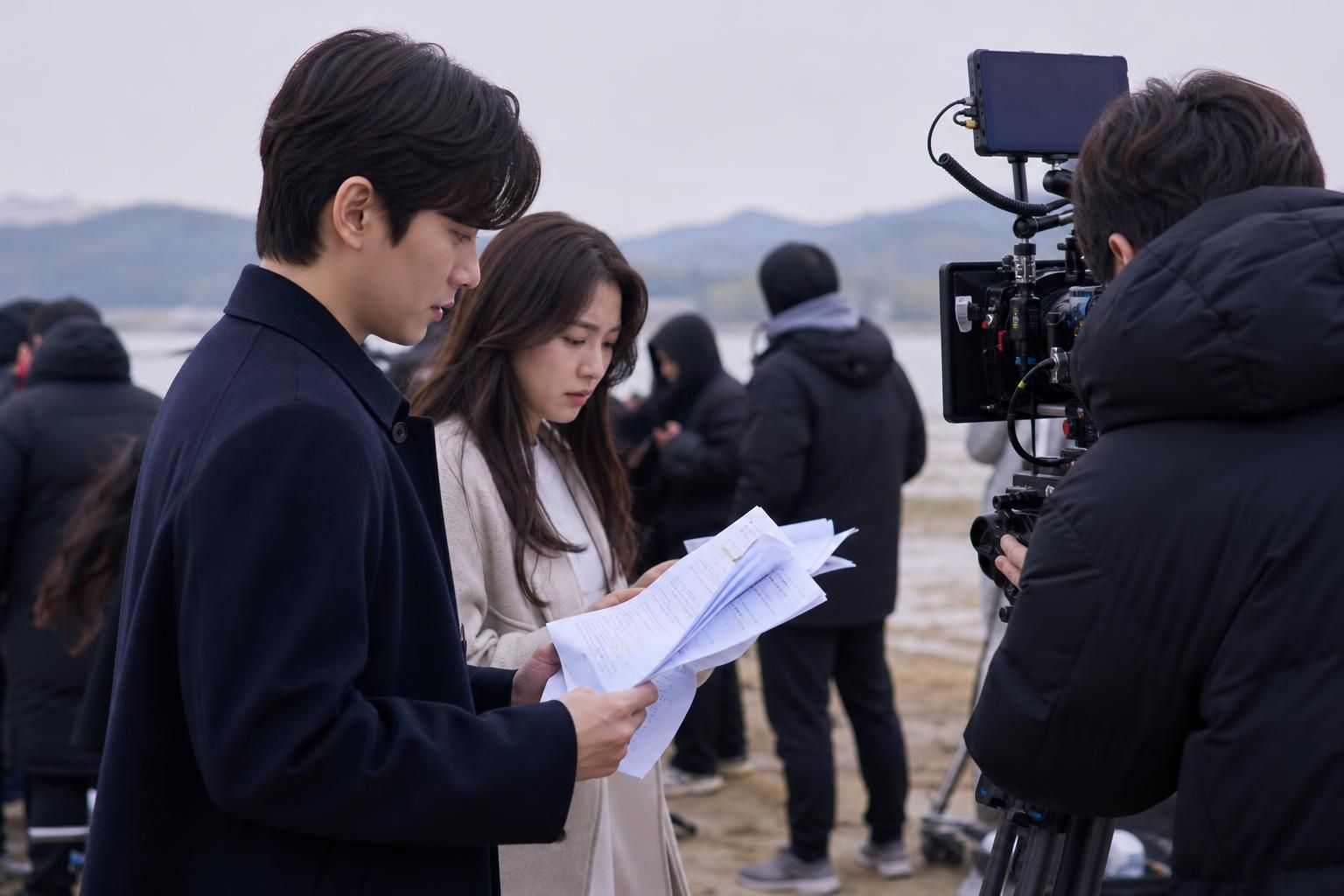
That aligns with how Korean dramas typically handle last-mile edits during early production: even when filming begins soon after project announcements, writers and directors often continue refining dialogue, pacing, and character arcs after casting and initial rehearsals provide new insights. In this case, the “reorganization” language signals that the production is taking a structured approach rather than simply stopping and restarting ad hoc.
Why the timing matters for audiences and sponsors
Even short production pauses can have downstream effects. For viewers, schedule changes influence marketing timelines, press opportunities, and—when applicable—online clips and fan events that are usually coordinated around filming milestones. For advertisers and partner brands, delays can also push planned deliverables that are tied to the drama’s rollout.
In addition, a drama’s early filming phase is particularly sensitive: the show’s first episodes often establish its tone, and any changes to structure or emphasis during a restart can require adjustments to continuity details such as wardrobe continuity, location usage, and scene sequencing. That is one reason productions tend to frame interruptions as a “reorganization” period rather than an indefinite delay—attempting to reassure stakeholders that the core plan remains intact.
Uncertainty around the cause: restructuring rumors vs. creative rationale
Reports that referenced JTBC’s recovery proceedings added a layer of speculation. In the absence of a detailed explanation from the broadcaster, observers may interpret the stop as part of a wider corporate belt-tightening process that could affect multiple productions. However, the drama’s stated reasoning—script revisions and a defined one-month schedule—suggests the immediate cause is creative and logistical rather than a collapse of production capacity.
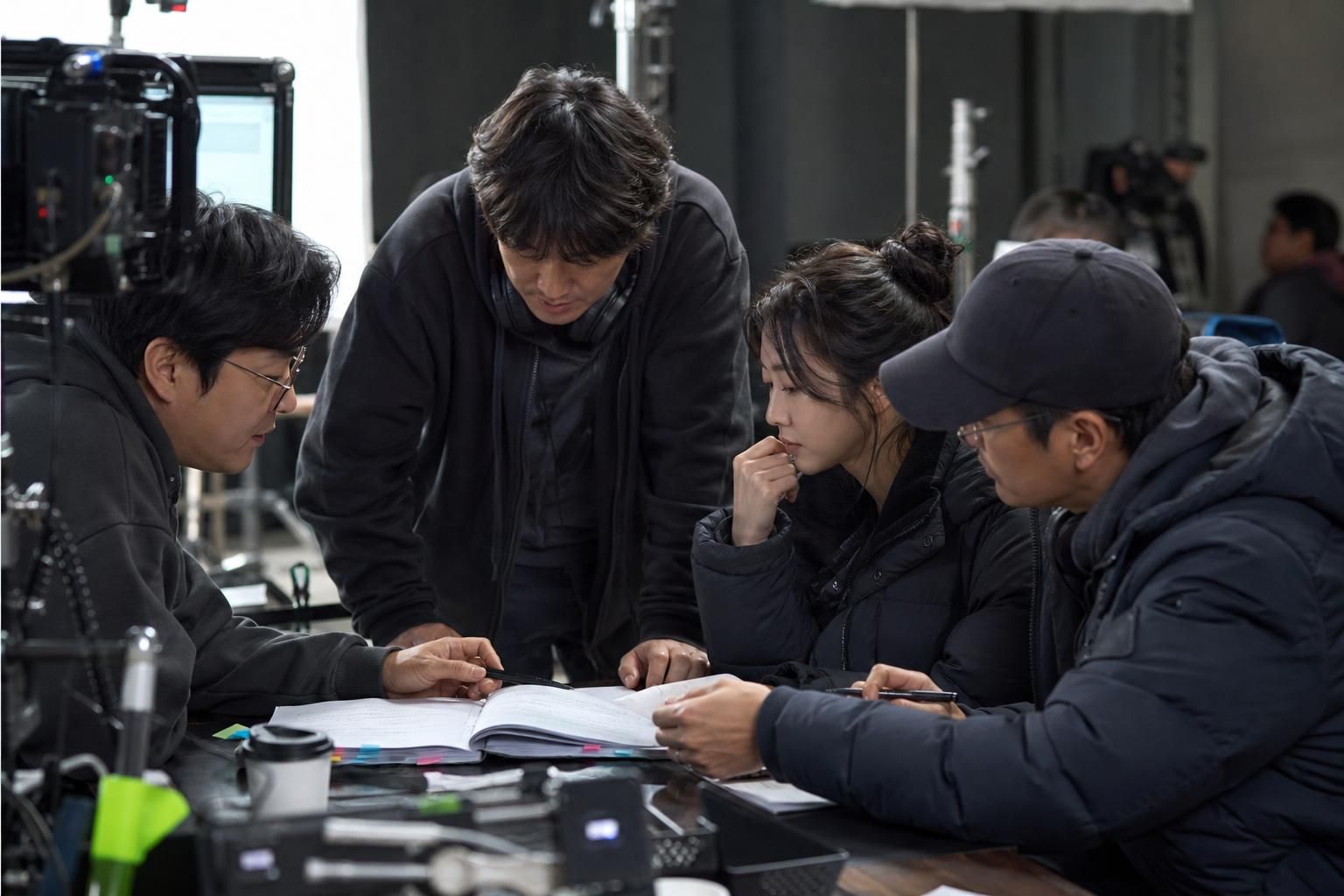
Still, even when a creative reason is given, financial and operational pressure can indirectly affect timing. For example, restructuring can influence decision-making around budgets, shooting days, and staffing. The key point for audiences is whether the pause remains limited and whether the drama can resume without major changes to its cast or creative leadership.
What to watch next
For Romance of Discovery, the next milestone will be confirmation of its resumption date and whether the production team adjusts the overall release timeline. Entertainment outlets will likely track announcements on the drama’s official social channels, press releases, and casting-related updates to determine if the pause stays confined to script and prep work.
Viewers should also watch for signs that the show’s tone or episode count could shift during the revision period. In Korean drama production, even a “script reorganization” month can result in changes to episode pacing, character emphasis, and how quickly major plotlines unfold—factors that can meaningfully affect audience reception once the drama finally airs.



Join the Conversation
Log in to share your thoughts and join the conversation with other fans.