
BTS and Blackpink’s global stages spotlight Korea’s pop-driven tourism and consumer surge

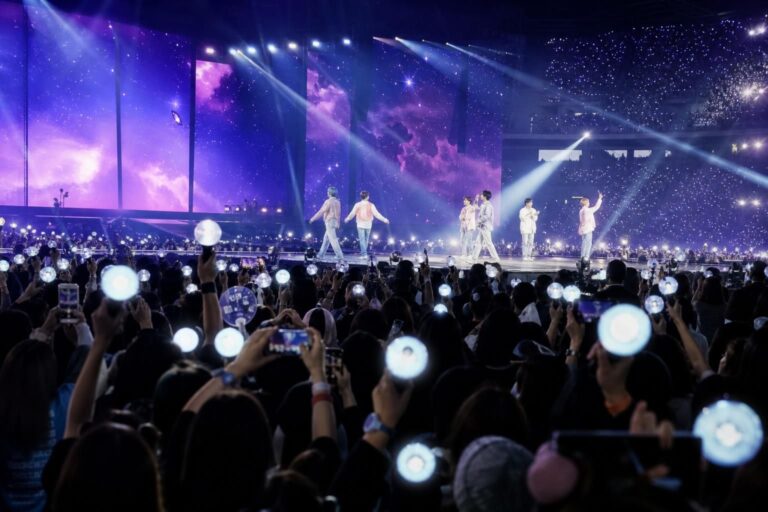
K-pop’s latest global push is rippling through Korea’s economy, with BTS and Blackpink-linked appearances drawing international attention and accelerating on-the-ground spending. Over the past day, multiple headlines highlighted how K-pop continues to function as both a cultural export and a real-world demand engine—ranging from high-profile performances tied to major international events to reports of heightened foreign consumer activity in Seoul.
While BTS and Blackpink have once again stayed in the spotlight through global stages and performances, the more measurable impact is emerging closer to home. According to coverage focused on consumer behavior, the “BTS concert effect” is coinciding with currency dynamics that make Korea more attractive for overseas visitors—boosting purchases and intensifying foot traffic in popular districts.
From world stages to local shopping streets
Recent reporting points to a tight feedback loop: major performances abroad and attention-grabbing cultural moments in international venues can translate into increased interest—and then into travel and spending—once fans land in Korea. In parallel, Korean media noted that BTS-linked events are pulling crowds toward well-known nightlife and dining corridors.
One widely circulated scene described foreigners clustering around K-chicken restaurants in central Seoul areas, with local businesses and street-level reporting framing the trend as a “BTS food pick” phenomenon. The narrative is familiar to Korean retailers: when globally recognized acts create a travel wave, even everyday dining choices become part of the fan itinerary.
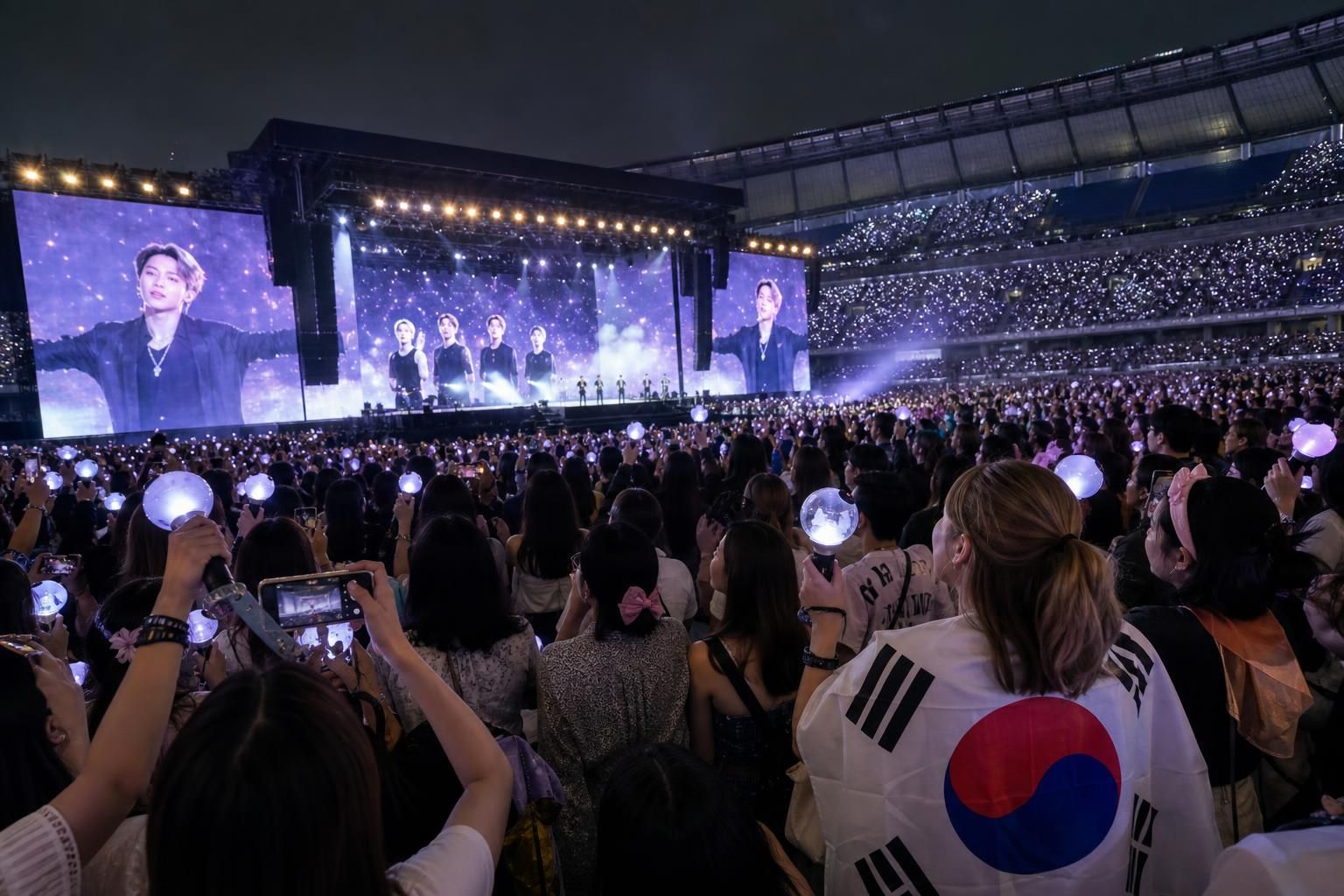
Separately, other headlines emphasized the broader cultural reach of K-pop—underscoring how Korean artists are not only performing for local audiences but also appearing in contexts that carry international visibility. That visibility, in turn, supports the claim that K-pop is increasingly integrated into global entertainment calendars rather than remaining confined to regional circuits.
The currency angle: weaker won, stronger retail pull
Beyond fan excitement, at least one storyline in the digest ties the concert-driven wave to economic conditions—specifically, a won depreciation dynamic. Coverage reported that the currency environment has encouraged increased foreign spending, effectively enhancing purchasing power for visitors during the period when demand is already elevated by concert schedules.
In practical terms, currency tailwinds can amplify what would otherwise be a modest consumption bump. When overseas visitors find everyday costs relatively lower, discretionary spending—such as restaurant hopping, convenience-store purchases, and shopping for souvenirs—tends to rise. Retail and hospitality businesses often feel the difference quickly, especially in neighborhoods that are already dense with tourists.
Local commentary framed this as part of a larger “global visitors” cycle: BTS-related events draw people to Korea; a favorable exchange-rate environment makes spending easier; and then consumption increases in high-footfall districts, reinforcing business expectations for future event calendars.
Global fan culture as an economic multiplier
Fan culture around major K-pop acts has long been described as more than entertainment. The latest digest suggests that BTS continues to operate as a multiplier across sectors—music, travel, food, and consumer goods—rather than creating revenue only in ticket sales. This is visible in the way coverage moves from performances to travel behavior, from stage news to restaurant crowds.
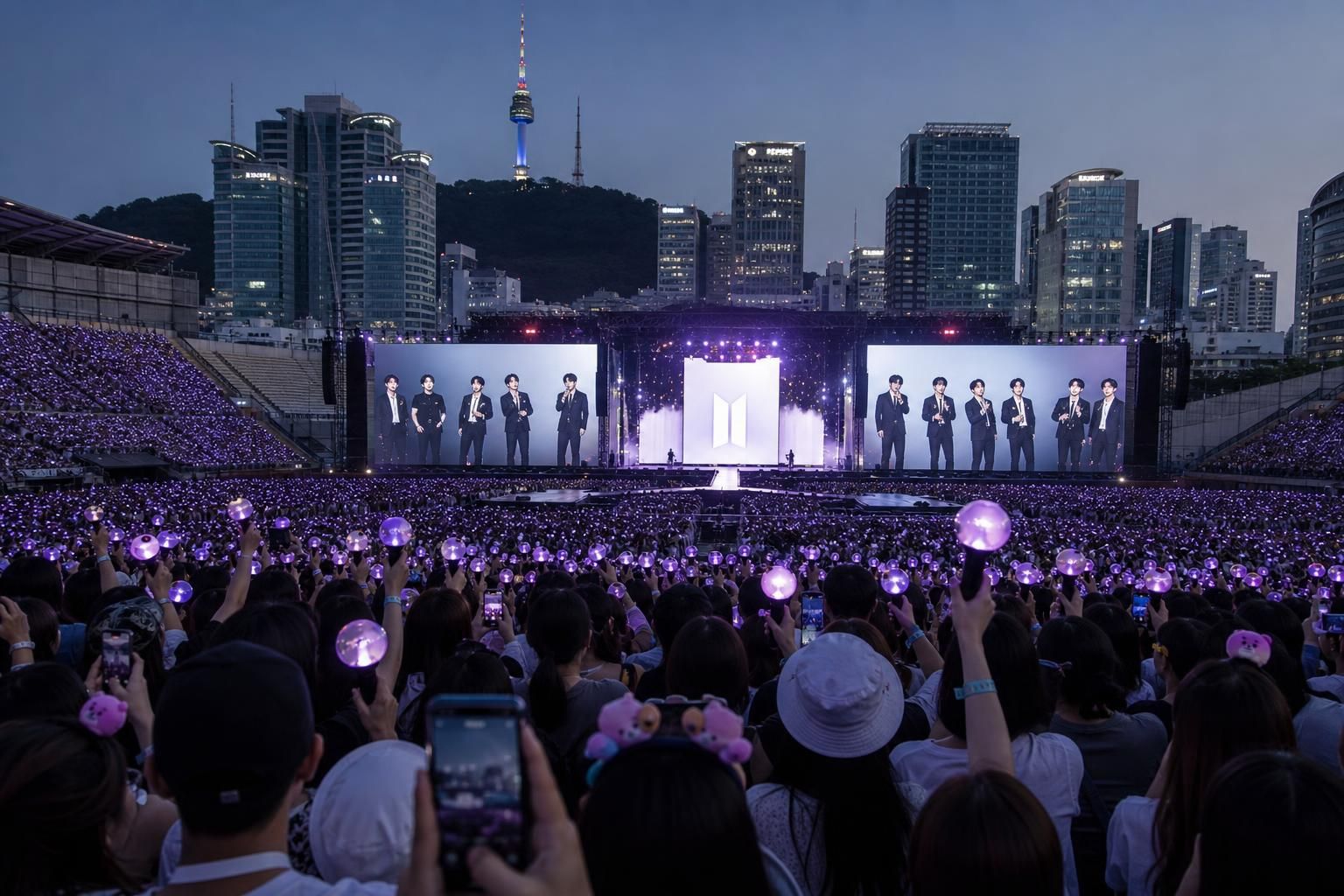
While the digest included multiple headlines centered on BTS imagery and photo coverage, the more economically relevant thread was the shift from “global visibility” to “local spending.” Even when the subject looks lighthearted—like fans congregating around specific foods—these patterns can signal the beginning of a broader commercial surge for the duration of concert-related travel.
At the same time, the relationship is not purely one-directional. Businesses and city planners can also adjust to the predictable influx around headline performances, improving logistics and services to handle crowds. This can further raise the quality of visitor experiences, strengthening the case for Korea as a destination for large-scale pop events.
What happens next: expectations for the concert and citywide spending
With more promotional and event activity expected to follow around major BTS and K-pop schedules, the immediate question for analysts and local businesses is whether the spending surge sustains beyond the initial arrival days. If exchange-rate conditions remain favorable and crowd density holds steady, hospitality and retail operators may see additional gains in late-stage consumption—such as souvenir shopping and longer restaurant stays.
Another factor to watch is whether the “K-chicken” and other food trends remain tightly linked to concert fandom or broaden into a more general tourism habit. If the latter occurs, the effect becomes less dependent on a single artist’s timeline and more about durable demand in Korea’s visitor economy.
For now, the digest paints a clear picture: K-pop’s global attention is translating into measurable on-the-ground outcomes. As BTS and other top-tier Korean acts continue to headline both international and domestic moments, Korea’s entertainment ecosystem is demonstrating—again—that cultural events can quickly become economic events.



Join the Conversation
Log in to share your thoughts and join the conversation with other fans.
I love when an update feels like a fresh wave of energy for fans. Hope it turns into a really good moment.