
BTS Concert Planning Sparks Local Fallout in Busan as City Weighs Staffing for Major Events

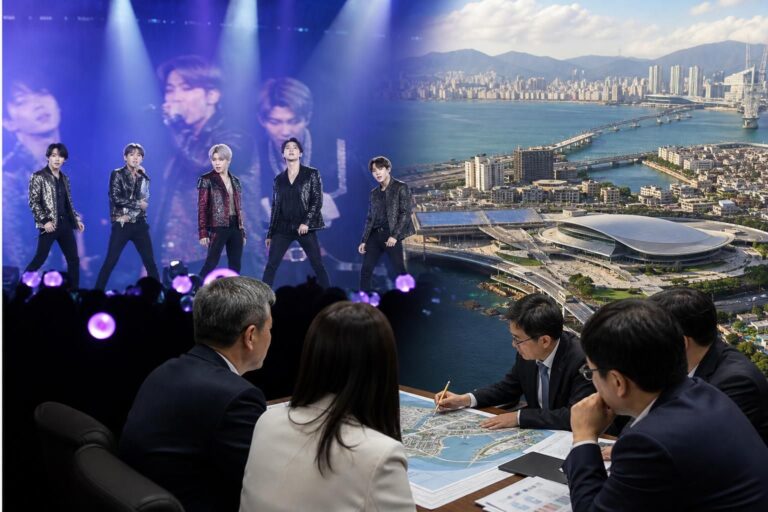
Busan is drawing fresh attention—inside and outside South Korea’s K-pop industry—after controversy erupted over staffing support for a major BTS-related event. According to Chosun Ilbo, the debate centers on whether city officials should be pulled from municipal roles to help with event logistics, with criticism directed at the local government’s allocation of personnel and project priorities.
A staffing dispute turns into a public argument
The issue, as reported by Chosun Ilbo, is framed around claims that Busan city administration employees were being redirected to support BTS performances. The reporting notes that the controversy escalated quickly, with public discussion focusing less on BTS itself and more on how local government resources are managed—particularly when major entertainment companies and large-scale public-facing events are involved.
Critics reportedly questioned whether staffing support for HYBE-linked productions is being treated as a municipal responsibility rather than as work that should be handled through private production channels or contractual arrangements. Supporters of the staffing decision, meanwhile, have pointed to practical realities: major concerts can require significant coordination across security, transportation planning, crowd management, and facility operations—areas where local government experience is often essential.
Busan’s role as a “staging ground” for global fandom
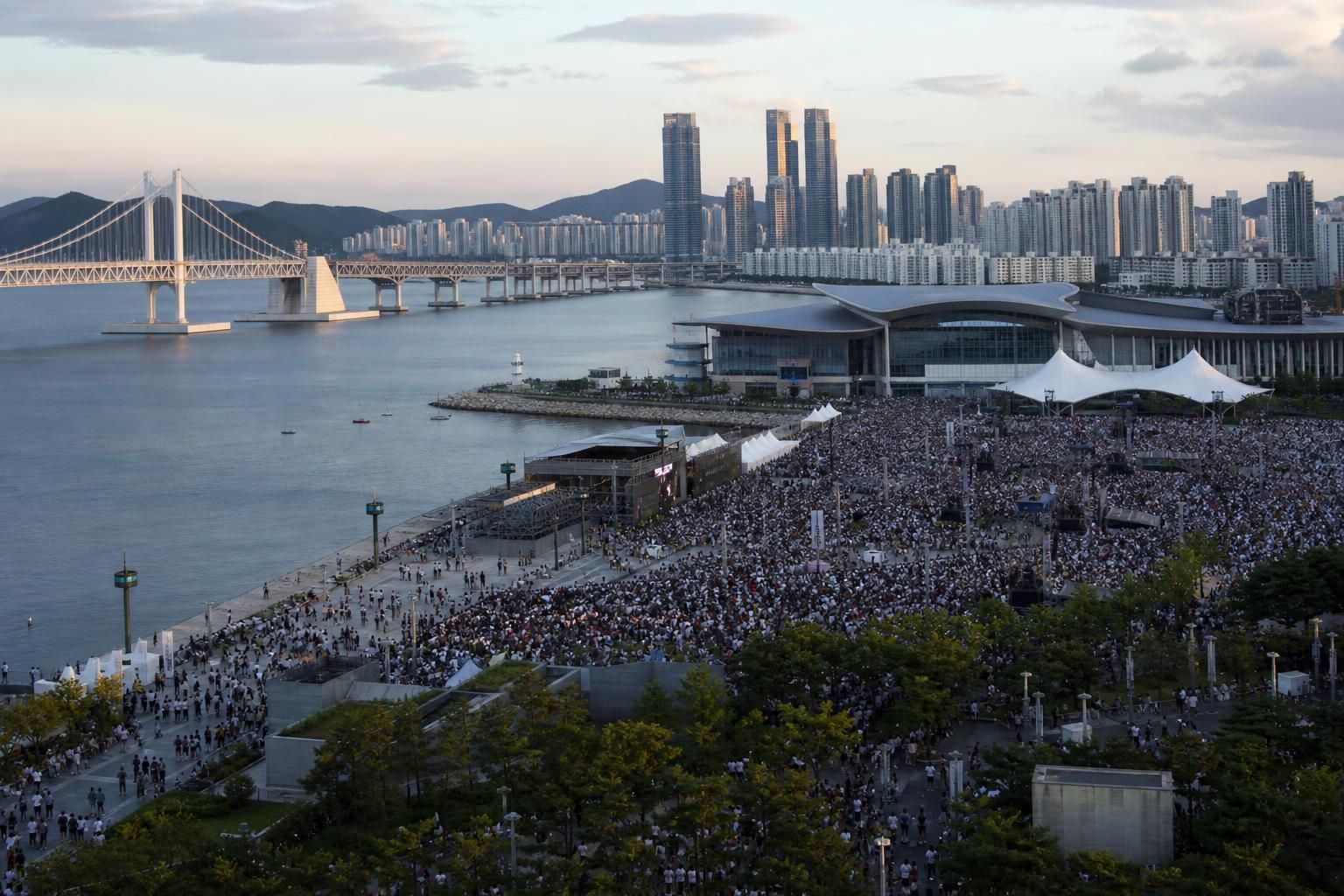
Busan has become increasingly visible in K-pop’s global ecosystem, not only as a destination for residents but as a magnet for fandom-driven tourism. In separate coverage highlighted in today’s digest, Chosun Ilbo also reported on how BTS fans have been “moving Busan in purple,” referencing the atmosphere created by devoted audiences and the visibility of fandom culture in public spaces.
That context matters for understanding why staffing decisions become politically sensitive. When a city hosts large international pop events, the municipal stakes extend beyond the concert night itself: local businesses, public transit demand, public safety requirements, and community impact all become part of the equation. When those burdens arrive, residents and observers often expect transparency about who pays, who coordinates, and how burdens and benefits are balanced.
Why the controversy resonates beyond entertainment
At its core, the dispute reflects a recurring tension in South Korea’s entertainment economy: global music powerhouses can produce enormous local impacts, but governments are accountable to the public for how they deploy limited personnel and administrative capacity. If city workers are reassigned in ways that are seen as disproportionate to the civic mission—or if the terms of that support are unclear—backlash is likely.
The reported criticism that “Busan city is just HYBE’s manpower office” underscores the public sensitivity around labor allocation. In practical terms, even temporary reassignment can affect other municipal functions, especially in cities that already manage a wide range of infrastructure and service demands. The debate therefore becomes not only about event success, but also about administrative legitimacy and public trust.
Multiple stakeholders, competing priorities
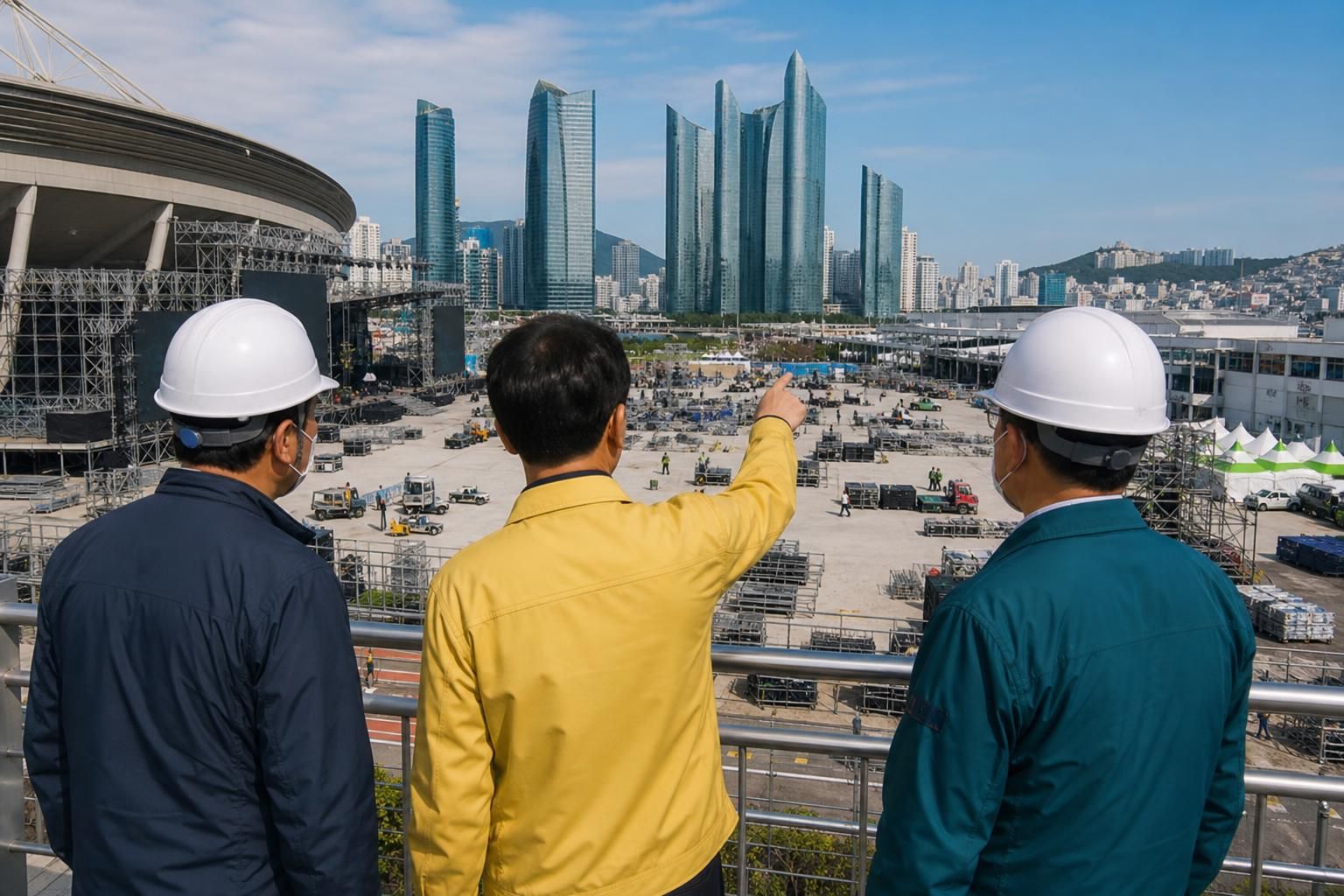
This kind of controversy typically sits at the intersection of at least four stakeholders: the event organizer (in this case, HYBE and associated entities), the city government responsible for public administration, the venue and related contractors, and local residents whose daily routines can be affected by crowd surges.
From the city government’s perspective, staffing support can be justified as an extension of public safety and orderly operations. From the public’s perspective, however, the key question is whether those supports are proportional, contractually justified, and sufficiently communicated. From the industry perspective, major events require speed and coordination—yet industry involvement can trigger suspicions of undue influence when government resources appear to be directed primarily toward private entertainment.
What Busan and the industry will likely face next
Moving forward, the immediate question is whether Busan’s administration will provide clearer documentation around staffing decisions—such as the scope of support, duration, and what functions municipal employees are assigned to. Public scrutiny often intensifies when controversies involve perceived conflicts between civic duties and corporate-linked activities.
In the broader sense, the debate could influence how future K-pop mega-events are negotiated in cities across South Korea. If local governments face heightened political pressure, they may adjust staffing policies, tighten procurement and contracting processes, or demand more formal responsibility-sharing from organizers. For fans and industry observers, the lesson may be that even as K-pop continues to generate significant tourism and global attention, the sustainability of that momentum depends on how local governments manage public resources and communicate their rationale.



Join the Conversation
Log in to share your thoughts and join the conversation with other fans.
This feels like the kind of update that makes the wait feel worth it for fans 💫