
“I Live Alone” Ratings Surge as ‘Home Life’ Gets a Spotlight on Korean Variety

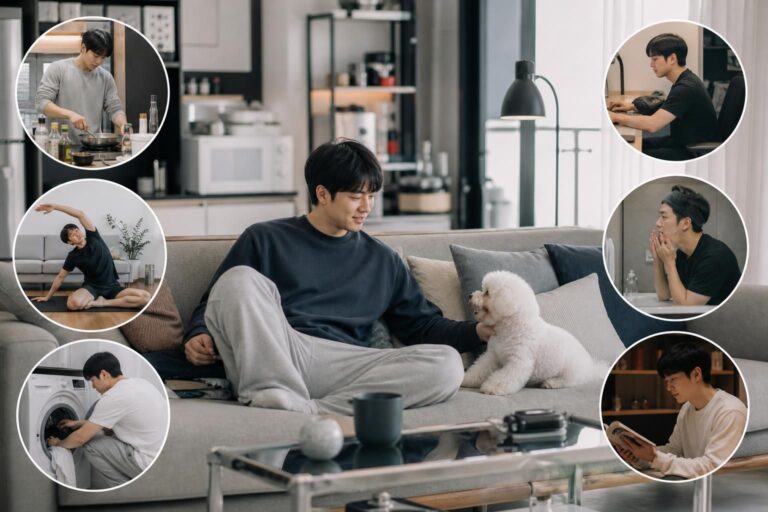
Korean variety television scored a fresh ratings uptick as “I Live Alone” showcased the quieter, more personal side of celebrity life rather than relying on spectacle. According to reports circulating from the past 24 hours, the program saw a meaningful jump—highlighted as a 7% increase in one outlet’s recap—after centering segments on “real home life,” including how different stars manage long-term living arrangements and daily routines.
A ratings bump tied to a shift in format
While “I Live Alone” is known for mixing entertainment with everyday storytelling, this week’s episode reportedly leaned into a familiar theme: viewers get to see how well-known figures actually live—how they cook, organize their homes, and handle emotional moments. One report framed the change as a move away from “celebrity flex” energy toward something closer to lived-in routines, suggesting that audiences responded to the more grounded tone.
Sports Kyunghyang reported that when “showy” content was scaled back—described in the digest as “bringing down flex and house-showing”—the program’s performance improved, with a cited rise of 7% (the digest notes “시청률 7% UP”). The implication is that the show’s editorial choices—what it chooses to highlight and what it chooses to minimize—can directly influence viewer engagement.
Ryu Hye-young’s home segment stands out
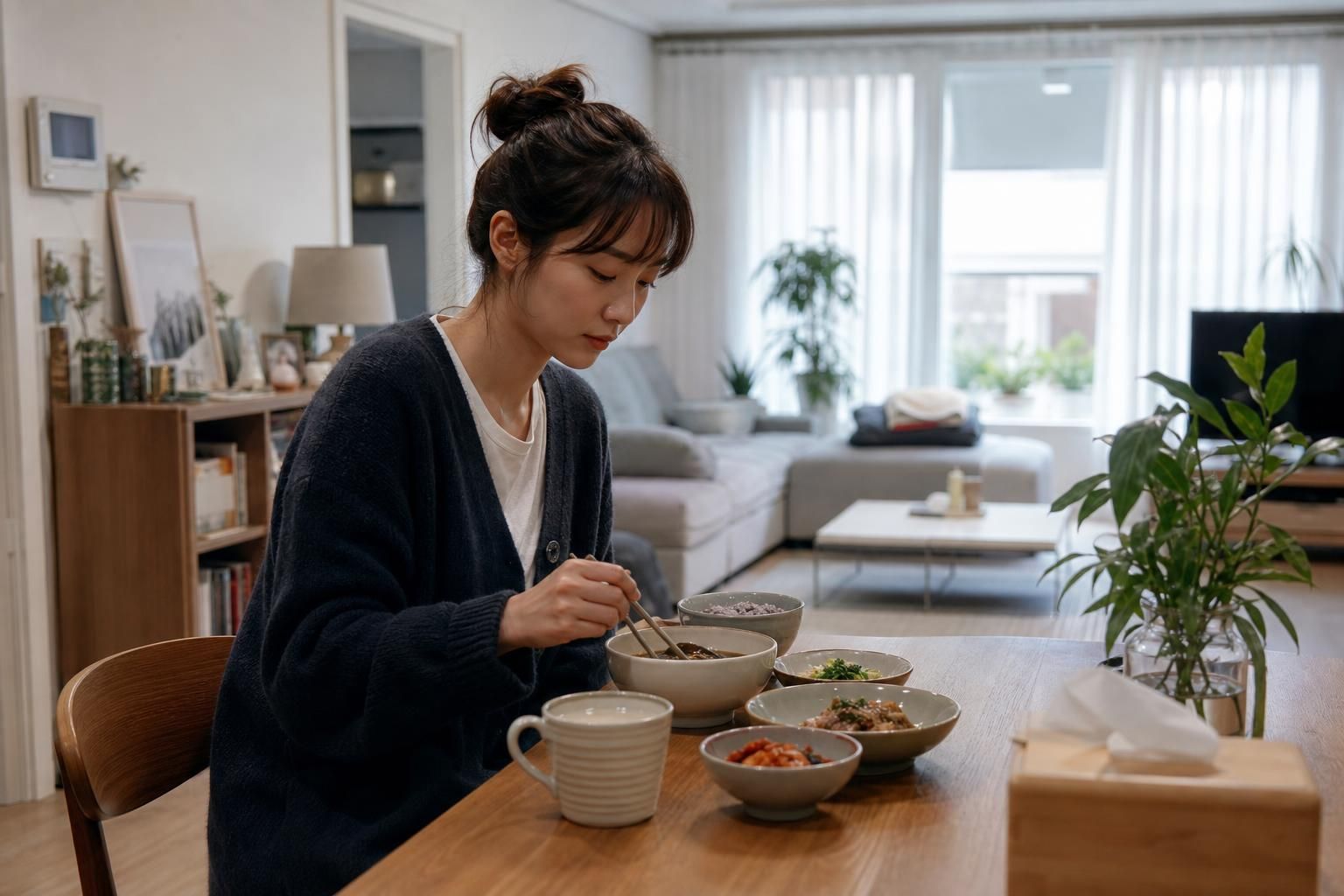
Central to the buzz is an episode moment featuring Ryu Hye-young, whose appearance reportedly connected her current lifestyle with a longer-running personal narrative shaped by earlier acting success. Multiple headlines in the digest point to an emotional, reflective tone, including a comment that “after Reply 1988, the world became scary,” indicating the segment was not purely about décor or chores but also about vulnerability.
Several write-ups highlighted her difficulty navigating darker moods—specifically referencing barriers like not being able to fully draw curtains and the lingering emotional uncertainty that followed a major breakthrough role. In other words, the segment appears to have treated the home not merely as a backdrop but as a space where private mental states show up in practical behavior.
The “sincere fan” dynamic adds another layer
Another reported highlight involves “I Live Alone” cast member Kang Sung-eon (or “Kang Sung-geon,” depending on romanization) appearing to express a long-standing fan connection to Ryu Hye-young. In the digest, one headline notes a “tender fan heart” acknowledgment—framed as a confession that he was, in effect, already a fan. For variety viewers, this kind of moment matters because it signals authenticity: the show’s humor often comes from everyday interactions, but the emotional beats come from relationships that feel earned.
That combination—personal reflection from the guest plus a straightforward, non-performative reaction from the cast—may explain why the segment resonated. Unlike typical celebrity interviews that emphasize career achievements, this episode material reportedly focused on the everyday and the emotional aftermath of public life.
Why “home life” is proving durable
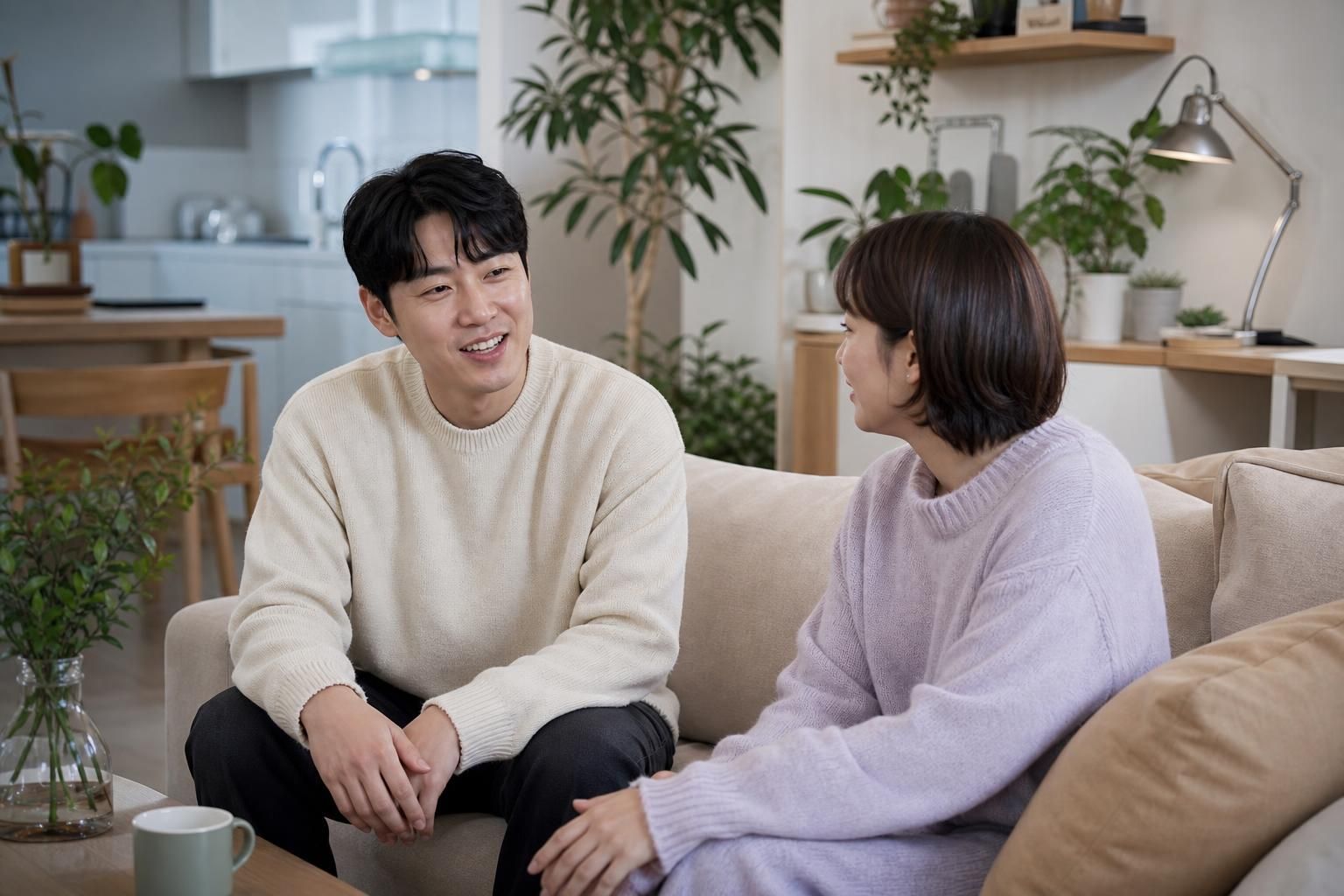
In recent years, Korean variety has leaned toward “life realism” as audiences increasingly look for comfort viewing—programming that offers familiarity and small-scale intimacy. “I Live Alone” benefits from that trend because it can make mundane activities feel significant. Yet not every “home” segment performs equally; what appears to drive audience response is whether the show treats domestic routines as meaningful rather than purely aesthetic.
That likely helps explain the specific framing in the digest: by reducing content that feels like an overt display and emphasizing ordinary living, the episode delivered a tone many viewers associate with the program’s best moments—warmth, quiet humor, and an unforced sense of companionship.
What to watch next
The immediate question is whether this episode’s direction becomes a broader pattern for “I Live Alone”. If “home life without flex” continues to attract viewers, producers may double down on emotionally grounded guest selections and segments that blend daily routines with honest reflection.
Over the next few episodes, viewers will likely look for two signals: first, whether the show sustains its reported ratings momentum, and second, whether future guest segments similarly connect personal history to everyday behavior. If it does, the format may continue to evolve beyond “what celebrities look like at home” into something closer to “how people cope with life at home,” which may be exactly why audiences kept watching.


Join the Conversation
Log in to share your thoughts and join the conversation with other fans.