

BTS RM Appointed First Global Publicity Ambassador for Korea’s National Museum
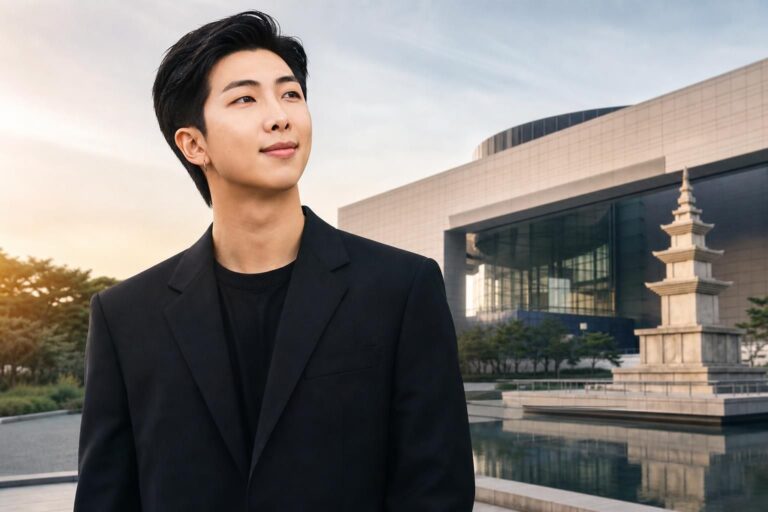
South Korean pop icon RM of BTS has been appointed as the first “Global Publicity Ambassador” for the National Museum of Korea, according to multiple Korean media reports. The appointment comes as the museum seeks to expand its global outreach and strengthen public awareness of Korea’s cultural heritage through an internationally recognized figure.
A new kind of cultural outreach
RM’s new role centers on helping the National Museum of Korea promote Korean art and history beyond domestic audiences. The museum’s move reflects a growing trend among cultural institutions: using celebrity platforms not simply for fundraising or event attendance, but as a sustained bridge between global fans and national heritage.
Across Korea’s major arts organizations, the “publicity ambassador” model has gained traction as a way to make exhibitions and collections more approachable to younger generations and international visitors. By choosing RM—whose fan base spans multiple countries and languages—the museum is effectively betting that cultural education can be amplified by pop-culture influence.
Why RM, and why now
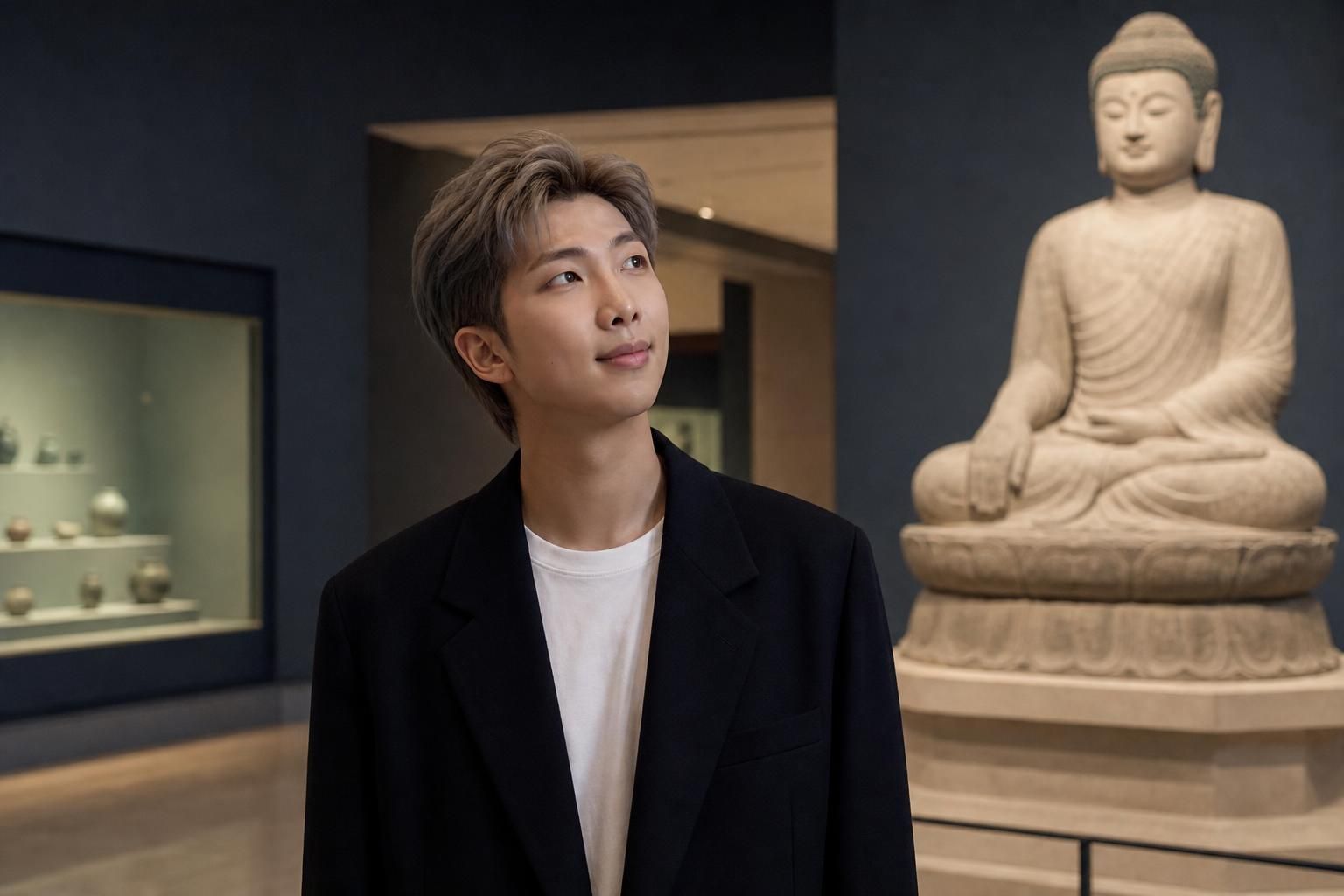
RM has long been associated with cultural interests and public-facing education-style messaging, making the appointment particularly aligned with the National Museum of Korea’s mission. In the coverage, his familiarity with art spaces and museum culture is highlighted, including the idea that he has helped turn museums into “must-visit” experiences for parts of the fandom community.
While the formal announcement signals the appointment itself, the broader significance lies in timing. Korean museums increasingly compete for attention in an international media environment crowded by entertainment content. A globally visible ambassador can help reduce the perceived distance between heritage institutions and audiences who may not actively seek museum programming in the first place.
What RM’s ambassador work is expected to involve
Though specific deliverables were not consistently detailed across the snippets available for this digest, publicity ambassador appointments typically involve a mix of promotional activities such as campaigns tied to exhibitions, public messaging to raise awareness, and supporting visits or media content designed to spotlight collections.
For the National Museum of Korea, the strategic value is twofold: increasing global visibility and improving the museum’s “shareability”—turning culture into something that audiences can encounter through content formats that travel well across social media and streaming platforms.
Balancing celebrity influence with cultural credibility
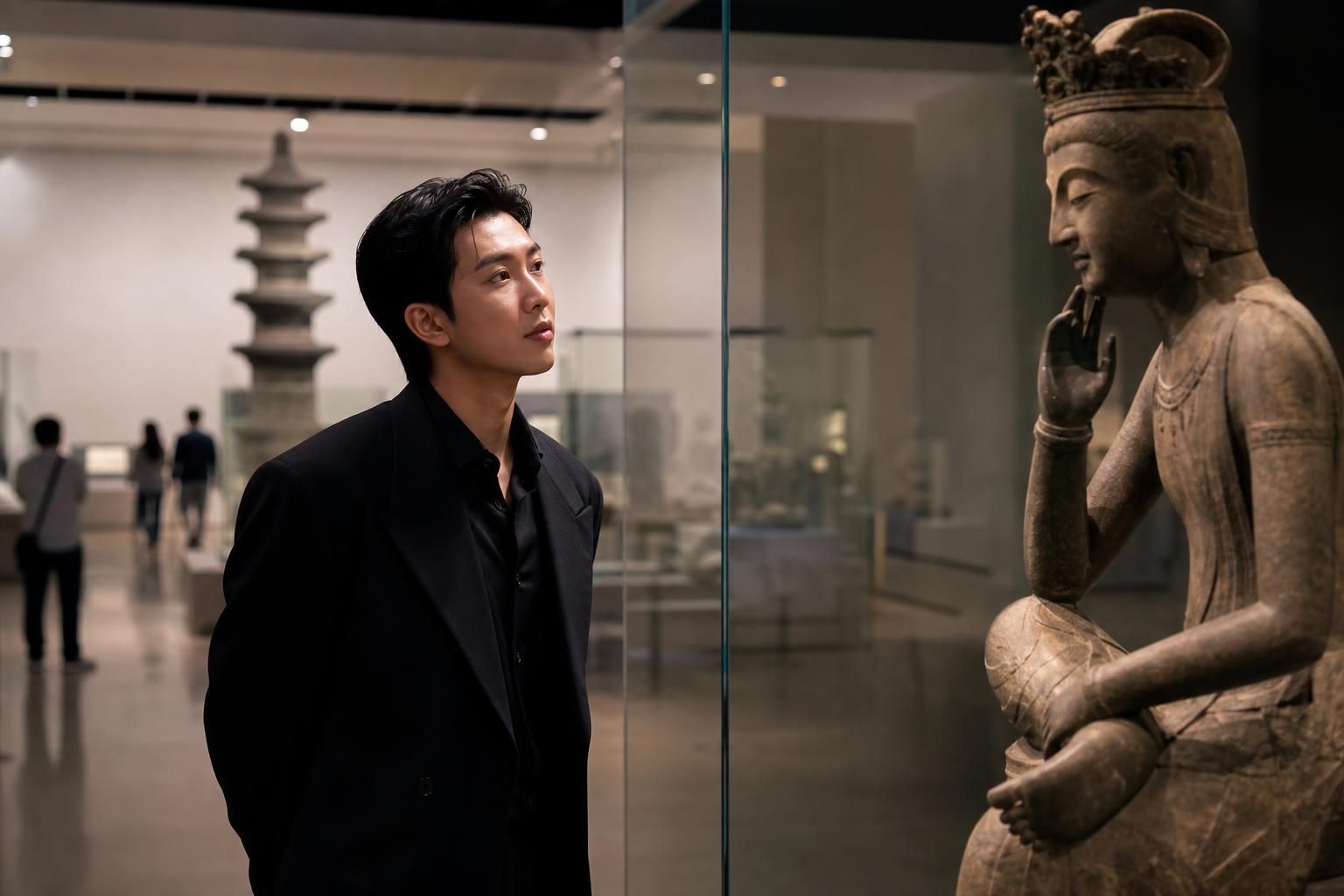
The museum’s decision also raises a familiar debate: whether celebrity partnerships enhance public engagement or risk turning heritage into branding. In practice, the outcome depends on how the ambassador role is executed.
When cultural institutions provide substantive context—linking promotions to accurate historical interpretation, educational programming, and transparent storytelling—celebrity can function as a gateway. But if the partnership is overly promotional without meaningful engagement, it can undermine the authority that museums rely on. The appointment of the National Museum of Korea suggests an intent to keep the focus on cultural heritage while leveraging RM’s reach to widen the audience funnel.
What happens next
In the near term, audiences will likely look for official campaign materials and museum programming that incorporate RM’s participation—particularly around major exhibitions and international outreach initiatives. The most meaningful indicator will be whether the publicity translates into measurable engagement such as increased international interest, media coverage in overseas markets, and higher participation in museum content beyond Korea.
Over the coming months, RM’s appointment could also influence how other cultural institutions in South Korea approach global partnerships. If the ambassador program is seen as effective, it may accelerate celebrity-led cultural strategies—potentially reshaping how museums compete for attention while continuing to fulfill their educational and preservation responsibilities.


![[RM ambassador, national museum, k-culture] featured image - BTS RM Named Korea’s National Museum’s First Global Public Ambas...](https://d1ycet1ctov4dv.cloudfront.net/wp-content/uploads/2026/06/20143129/RM-ambassador-national-museum-k-culture-1781933489004-300x200.jpg)
Comments