
World Cup Seoul Watch Brings a Beer Boom: Convenience Stores Near Gwanghwamun See Sales Surge Up to Sevenfold

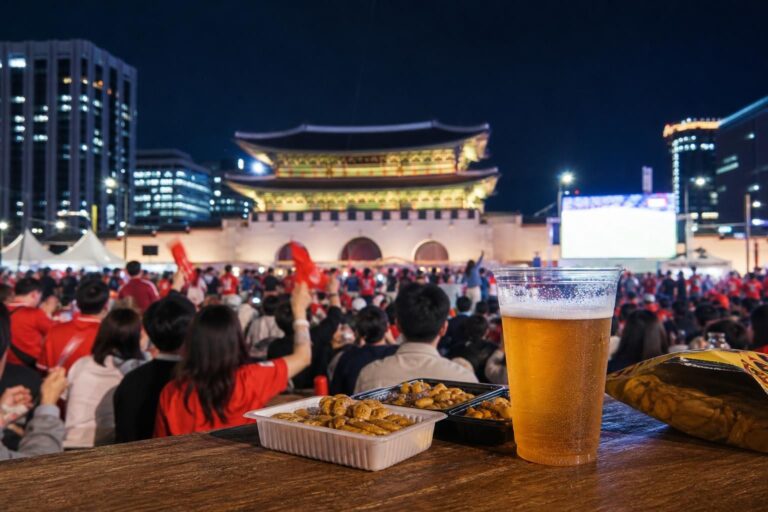
As World Cup matches draw massive crowds to Seoul’s central areas, nearby convenience stores are seeing a sharp spike in demand—especially for beer—underscoring how tournament schedules can quickly reshape everyday retail.
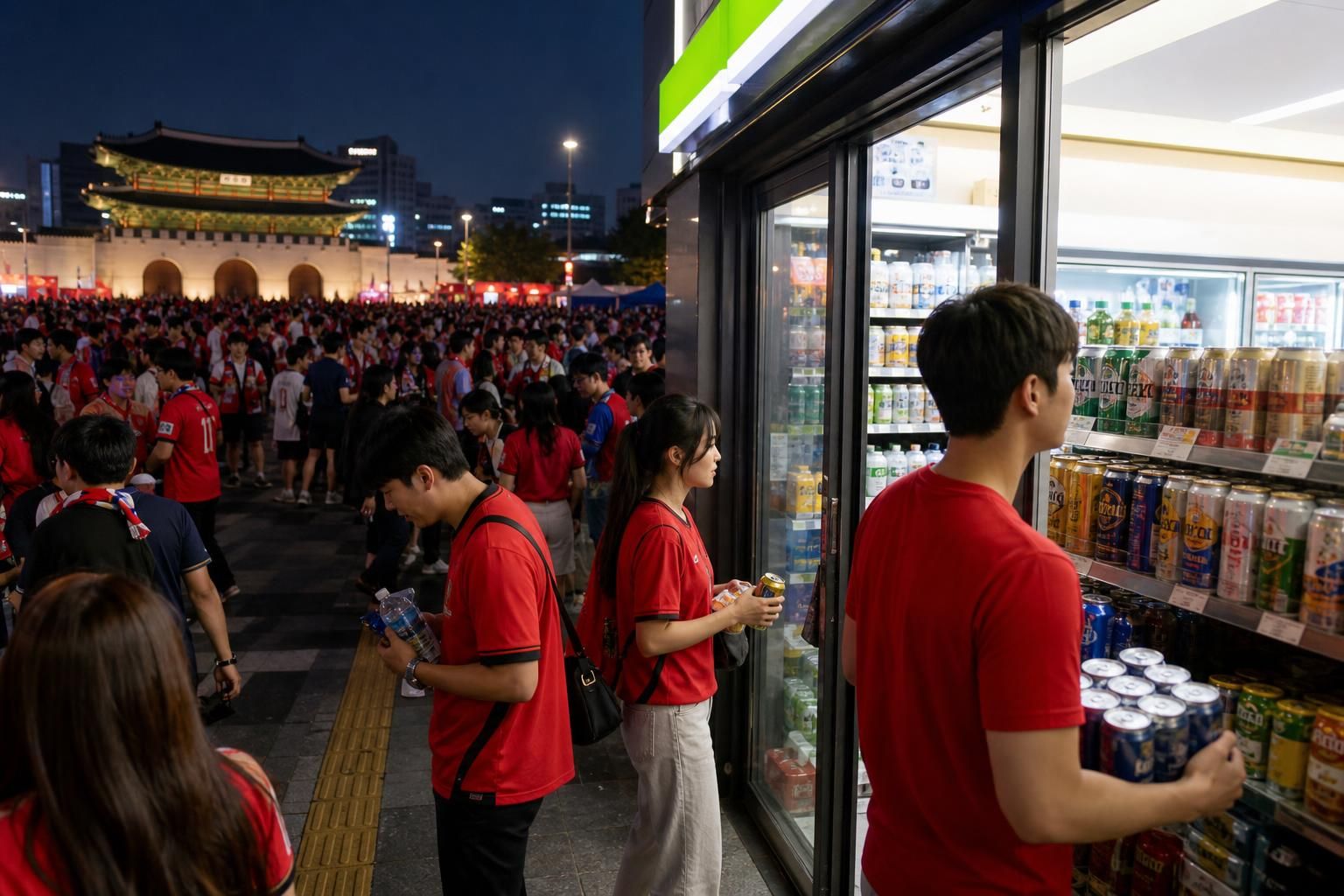
According to a report by Yonhap News, foot traffic surged around Gwanghwamun during peak viewing times, driving beer sales at convenience stores in the area to rise as much as sevenfold. Other outlets cited similar match-day patterns, describing how fans arriving early, gathering with friends, or purchasing last-minute supplies before kickoff fueled rapid, localized consumption.
Match-day crowds turn corner stores into “beer hubs”
Retail activity around World Cup viewing hotspots tends to follow a familiar pattern: demand concentrates in the hours before and immediately after kickoff, when fans make quick decisions and avoid long detours. In the Gwanghwamun area—one of Seoul’s most prominent public spaces—stores experienced a “rush” driven by dense crowds, making beer one of the fastest-moving categories.
The reported increase—up to seven times compared with baseline levels—suggests the sales surge is not limited to a small group of regular customers. Instead, it reflects a broader “out-and-about” culture around big matches, where fans treat convenience stores as a practical source for refreshments and snack pairing.
Why beer sales jump: timing, proximity, and group viewing
Several factors help explain the magnitude of the increase. First, match schedules compress shopping behavior into narrow windows. Instead of spreading purchases over the day, consumers cluster them around pre-game routines.
Second, proximity matters. Fans in crowded, central areas often rely on the nearest store rather than traveling farther for specific brands or promotions. That effect can amplify sales for high-repeat, widely available products—such as beer—because consumers tend to pick what’s readily stocked and easy to carry.
Third, World Cup fandom frequently involves group viewing—whether in public squares, bars, or informal meetups. Beer, in that context, tends to be purchased in quantities suited to the size of a gathering, which can lead to faster “cart totals” and a noticeable spike in store turnover.
Beyond convenience stores: the wider retail impact of major events
While today’s figures focus on beverages, the broader takeaway is that major sports events can rapidly redistribute consumer spending across categories and locations. Match-day surges create temporary demand peaks that differ from normal retail rhythms—often requiring stores to adjust staffing and inventory management in real time.
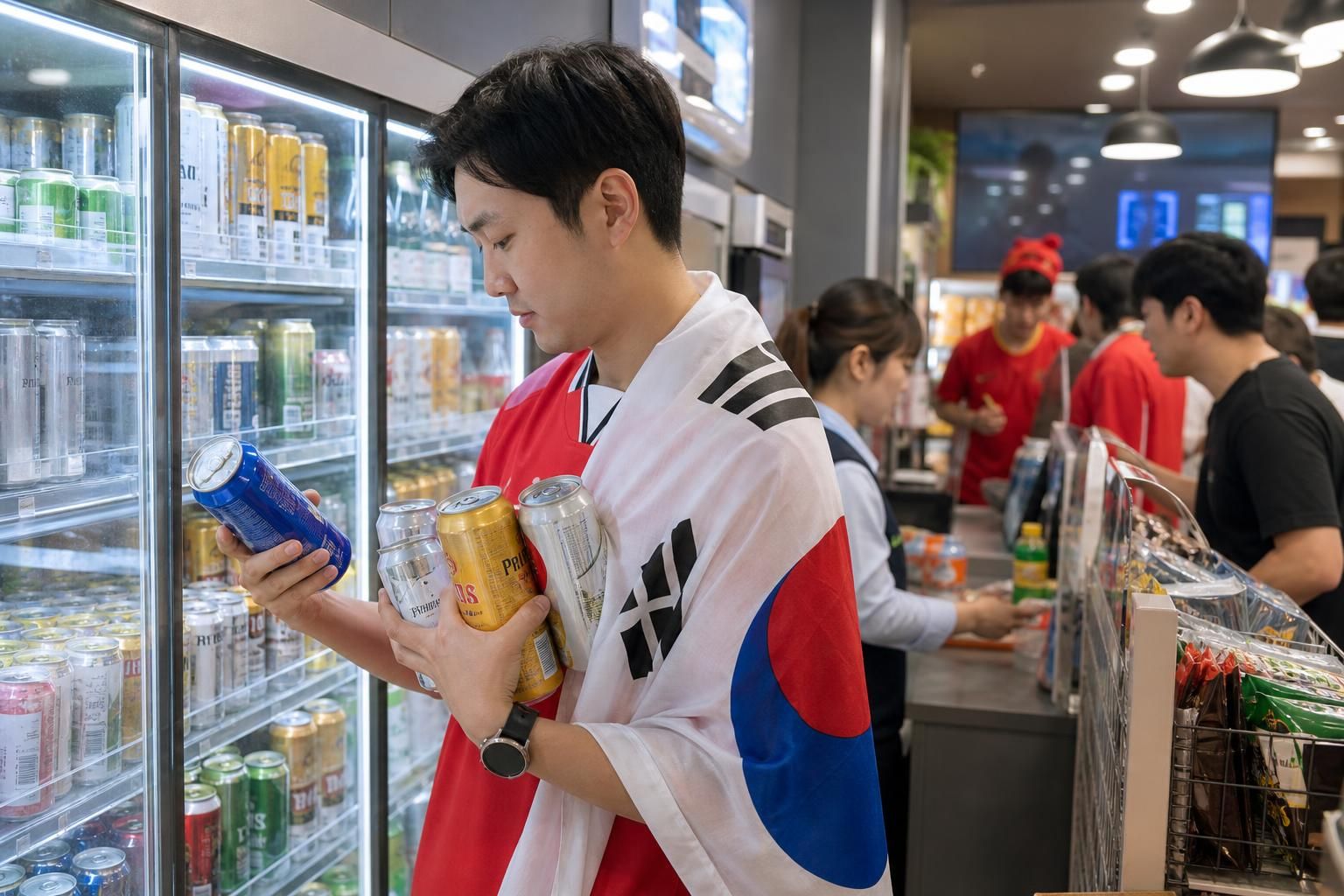
In practical terms, retailers benefit when they anticipate which products will see the sharpest rise. Beer typically stands out because it aligns with common viewing habits and has high brand familiarity among casual fans. But retailers also must prepare for secondary items—snacks, ice, and other pairing products—that can move alongside beverages as shoppers stock up quickly.
What to watch next
If the World Cup continues to produce large in-person gatherings in central Seoul, similar patterns are likely to repeat on subsequent match days. Stores may respond by increasing replenishment frequency, optimizing shelf space, and coordinating deliveries during high-demand windows.
For consumers, the implication is simple: as viewing hotspots become busier, last-minute shopping can become more crowded and competitive—especially for popular items. For retailers, the key challenge will be balancing a short-term demand spike with efficient restocking, without overextending supply for slower periods after kickoff.
Ultimately, the reported sevenfold beer jump near Gwanghwamun is a reminder that major tournaments are not only entertainment spectacles—they are also real-time market events, changing purchasing behavior block by block across the city.
![[Jang Ki-ha, Yoon Gai] featured image - South Korean Singer Jang Ki-ha and Actress Yoon Gai Confirm Relationship as Rumors In...](https://d1ycet1ctov4dv.cloudfront.net/wp-content/uploads/2026/06/27150118/Jang-Ki-ha-Yoon-Gai-1782540077898-300x200.jpg)

![[celebrity court, dui case, korean comedian] featured image - South Korean Comedian Lee Jin-ho Faces Charges Over Alleged Ill...](https://d1ycet1ctov4dv.cloudfront.net/wp-content/uploads/2026/06/27100120/celebrity-court-dui-case-korean-comedian-1782522080050-300x200.jpg)
Join the Conversation
Log in to share your thoughts and join the conversation with other fans.