
Court Hearing Puts Danielle’s Future in the Spotlight as ADOR Argues She Can Work While Lawsuit Continues

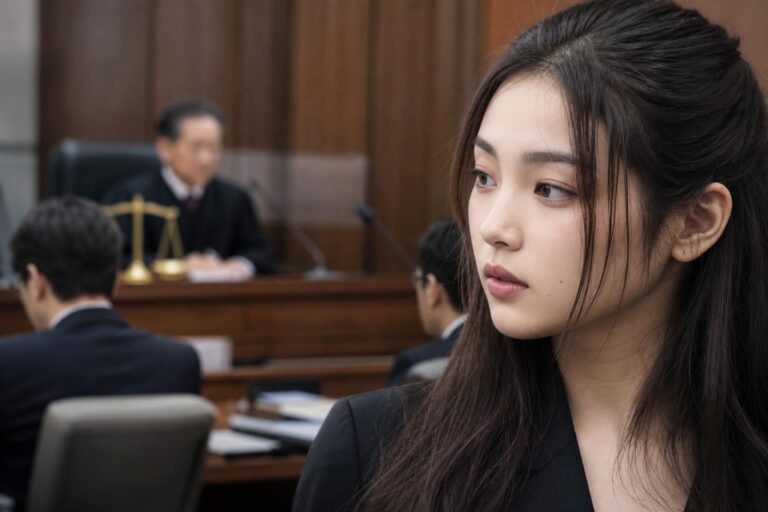
South Korean entertainment company ADOR and former NewJeans member Danielle are at the center of a high-stakes legal dispute after the parties argued—again—in court on June 11 over whether the ongoing litigation effectively blocks her ability to work. During the second hearing of ADOR’s lawsuit against Danielle, ADOR’s representatives asserted that Danielle is “free to pursue her entertainment career” and that the case is aimed at damages rather than preventing her from signing with another agency.
ADOR says Danielle can continue her career
According to reporting on the court proceedings, ADOR’s legal team argued that Danielle’s claim—that the lawsuit is hindering her career—does not hold, because the company is seeking contractual penalties and damages. In the company’s framing, there is no reason ADOR should interfere with Danielle’s work prospects while the case proceeds.
ADOR’s representatives also responded to the core argument raised by Danielle’s side: that the litigation’s scale and timing make it nearly impossible for her to collaborate with new partners. ADOR’s position was that any limitations are not the result of the company’s conduct but rather a straightforward legal matter concerning financial liability.
Danielle’s lawyers allege the lawsuit is designed to block her
Danielle’s legal team disputed that characterization, arguing that ADOR’s suit is effectively being used to keep her from working by attaching her to an enormous financial risk. Danielle’s lawyers criticized the idea that she can simply move forward with her career while facing what they described as a lawsuit worth “100s of billions of KRW,” emphasizing that no agency would want to take on an artist with such potential liability.
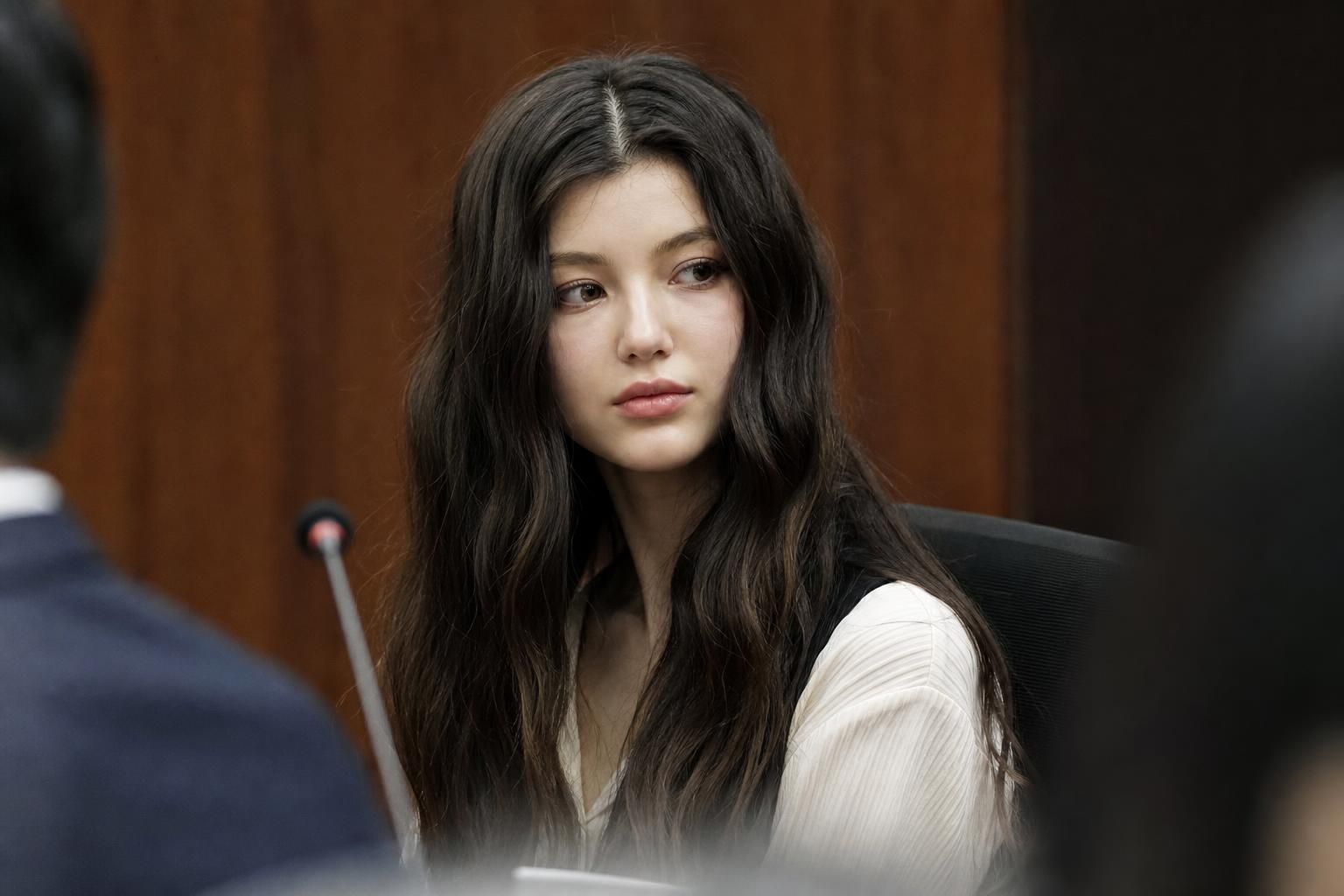
In addition, Danielle’s side alleged that ADOR is using litigation tactics to prolong the process, which they say harms trust and adds friction to her professional plans. The lawyers portrayed the lawsuit as not merely a dispute over contractual issues, but as a mechanism to suppress her autonomy in the industry.
Why this case matters for K-pop artists and agencies
At a broader level, the dispute underscores how legal fights in K-pop can spill over into career timing, branding, and commercial opportunities. When a lawsuit involves contractual penalties and significant monetary claims, even the mere prospect of extended court proceedings can discourage new employers—particularly if those employers fear downstream financial exposure or reputational fallout.
In this case, the central question is not only who violated what terms, but also the immediate practical impact: whether the legal system is being used to resolve contractual claims—or to exert leverage that restricts an artist’s ability to earn and operate while a case is ongoing.
While both sides describe their actions as legitimate, the hearing’s contested framing reflects a common tension in entertainment litigation: the gap between what a lawsuit is formally “about” (damages, penalties, interpretation of contract language) and how it is experienced in real-world career terms (agency willingness, timing of releases, and risk tolerance).
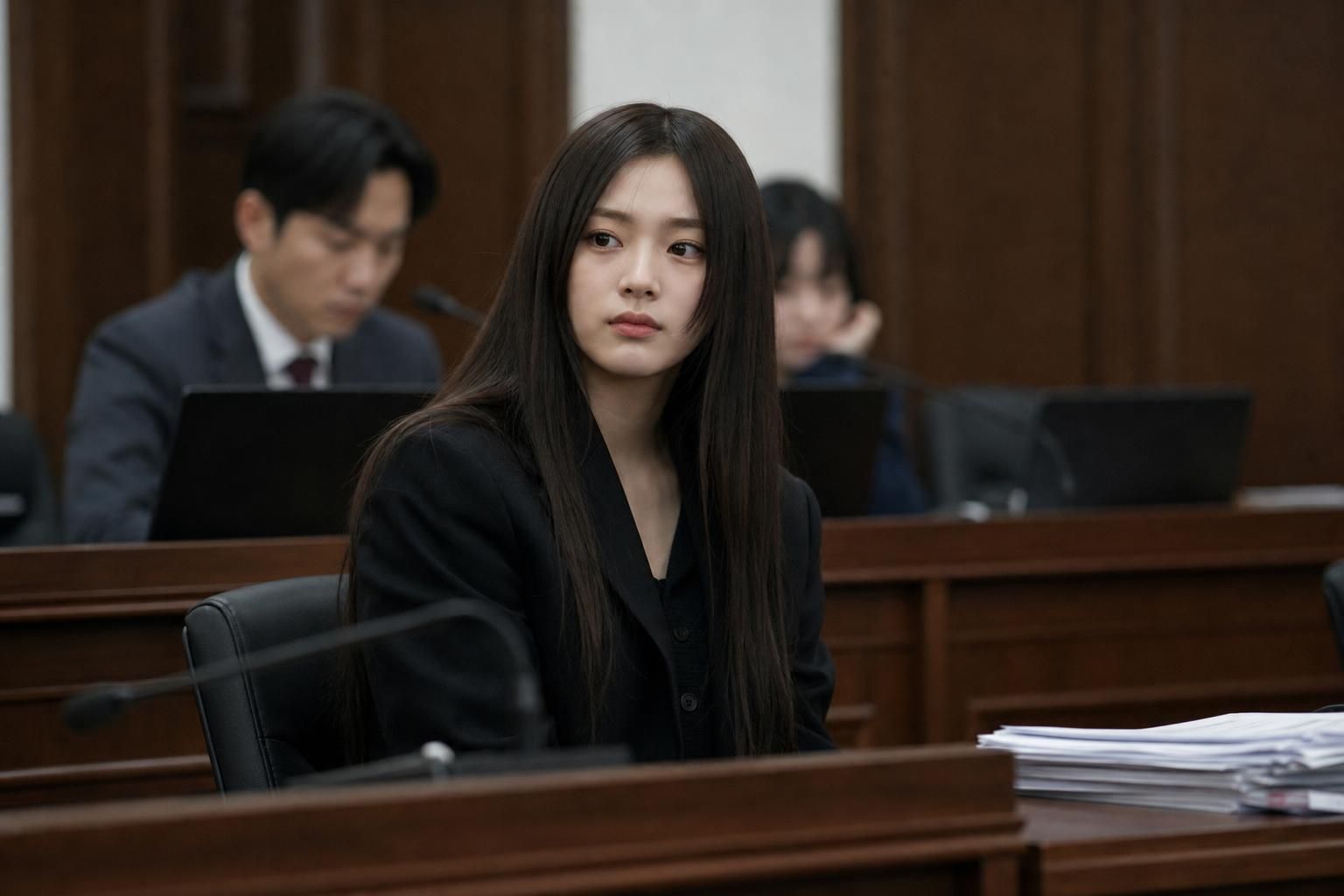
Next steps: further trials as the court continues review
The reporting indicates that the court will continue reviewing arguments in upcoming trials, meaning Danielle’s ability to work and the ultimate outcome of ADOR’s claims will likely depend on how the court evaluates both legal merits and procedural behavior.
For fans and industry observers, the key developments to watch are whether the court addresses—directly or indirectly—the question of career interference, and whether it treats prolonged litigation tactics as relevant to the case’s fairness or remedy. A decision could shape not only Danielle’s next steps, but also the way future contract disputes in the sector are perceived and managed by both agencies and artists.
What happens now for Danielle and NewJeans
In the near term, the hearing leaves Danielle’s situation in a holding pattern: ADOR argues she is free to continue her career, while Danielle’s team claims the lawsuit’s scale functions as a practical barrier. Until the court issues further guidance—or reaches a substantive ruling—uncertainty is likely to remain a central factor in professional planning.
The unfolding case will also be watched closely for signals about how South Korean courts balance contract enforcement with the realities of entertainment-industry employment, where timing and continuity can be as important as legal judgments.



Join the Conversation
Log in to share your thoughts and join the conversation with other fans.
This feels sensitive in a very human way. Hope the next update brings a little more calm.
There is a lot of emotion around this, so I hope the facts stay at the center while people still show some empathy.