


BTS’ Aliens is receiving a fresh wave of attention as a Grammy-related boycott debate has become a major point of conversation among fans. The renewed focus has put the song back into streaming and chart discussions, showing how quickly a fan community can redirect attention toward an artist’s music when a larger industry issue takes hold.
The moment is less about a conventional promotional cycle than about the connection between music, visibility and fan organizing. For a group with a catalog that has reached listeners across multiple eras, even a single title gaining momentum can become a way for fans to express support while keeping the conversation centered on the work itself.
A song returns to the conversation
Aliens has emerged as a focal point while online discussion around the boycott continues. Renewed listening does not automatically translate into one uniform goal: some listeners are revisiting the track, while others are using playlists and social posts to encourage wider discovery. Together, those actions can create a noticeable second life for a song outside a new-release window.
That pattern has become familiar in K-pop, where fan communities often combine streaming, social media and archived content into highly visible campaigns. What makes this instance notable is the way a conversation about recognition and representation has overlapped with everyday music consumption. The song’s renewed visibility is therefore part of a broader response rather than an isolated chart event.

It also shows why catalog depth matters in the digital era. A familiar track can be rediscovered by people who first encounter it through a playlist, a fan-made clip or a recommendation shared across national borders. That kind of discovery is difficult to measure through any single metric, but it can keep a song in circulation well beyond a headline moment.
Why the debate resonates
The Grammys remain one of the most closely watched institutions in global pop music, and conversations about their processes regularly attract attention from artists and listeners worldwide. BTS’ international reach has made the group central to many discussions about how non-English-language acts, Asian performers and globally active fanbases are considered within major award systems.
For supporters, the current discussion has become an opportunity to emphasize the value of sustained listening over a single awards-season outcome. Aliens serves as a practical entry point: it gives listeners a specific track to share while also inviting newer audiences to explore the broader BTS discography. The resulting momentum illustrates how a song can take on a new cultural role long after its initial release context.
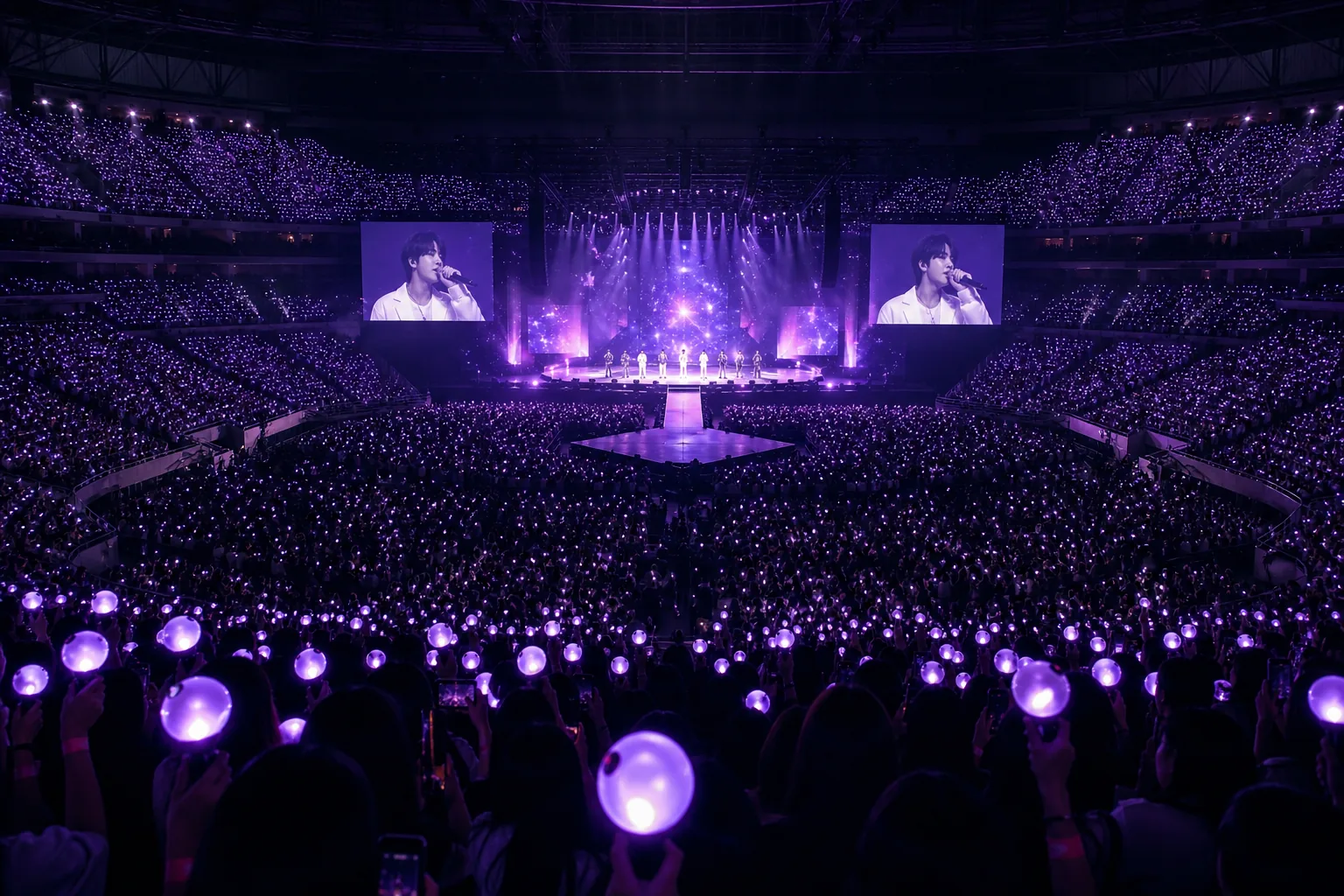
The response also reflects the increasingly direct relationship between artists’ catalogs and their audiences. Fans no longer have to wait for a label campaign or television appearance to build attention around a track. Social platforms, playlists and short-form video can move a title into new spaces rapidly, especially when a community already has a global network ready to participate.
Music remains at the center
As the boycott discussion develops, the long-term impact will depend on whether the attention around the issue turns into sustained engagement with the music. For BTS, whose releases have often carried both commercial scale and personal resonance for listeners, a renewed spotlight on Aliens adds another chapter to the group’s continuing global presence.
The episode is also a reminder that award debates and fan activity do not exist separately from the songs that inspire them. In this case, a renewed push around one BTS title has become a visible expression of support, while bringing new listeners and longtime fans back to the group’s work. Whatever form the wider conversation takes next, the music is again at its center.



Join the Conversation
Log in to share your thoughts and join the conversation with other fans.