BTS Song “Swim” Faces Copyright Lawsuit Over Unreleased Demo Claim

A new lawsuit claims BTS’s “Swim” copied elements from an unpublished demo, with HYBE and the song’s writers named in the case.
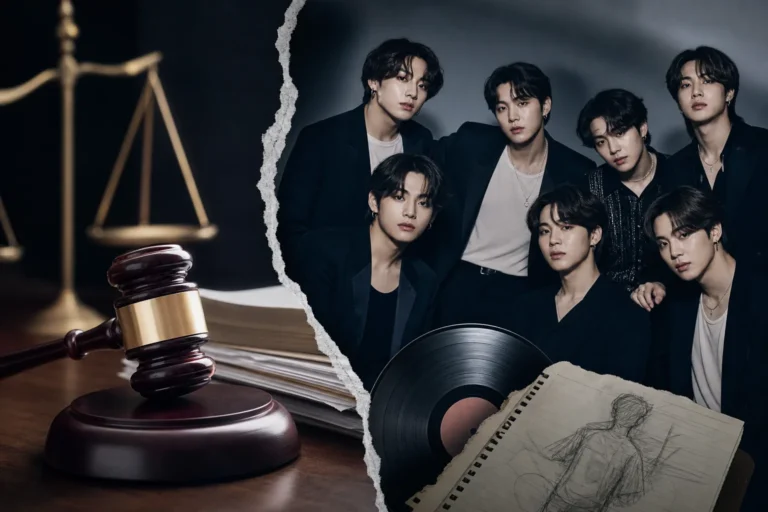
BTS’s song “Swim” is facing a new copyright lawsuit after three songwriters claimed the track copied elements from an unpublished demo they say had circulated before the song’s release.
According to a report on the filing, the case was brought on July 8 by Steve Cooper, Jon Sandler, and Greylyn Johnson. The complaint does not name BTS members personally, but it names HYBE and songwriters connected to “Swim,” making the dispute one that centers on the song’s creation and alleged access to an earlier work.
The plaintiffs allege that after listening to “Swim” several times, they concluded that the released song copied a substantial portion of their original demo. The claim, as reported, frames the similarity as clear enough for the writers to pursue the matter in court rather than only through private industry channels.
What The Lawsuit Claims
The central issue appears to be whether the creators behind “Swim” had access to the unreleased demo and whether any similarities between the two works are legally meaningful. The plaintiffs say copies of their demo were sent out in March 2025 and later shared with others, including writers who worked on “Swim.”
That access argument is important in music copyright cases. A lawsuit typically has to do more than say two songs sound alike. Plaintiffs often try to show that the accused writers could have heard the earlier work, then argue that overlapping musical choices are substantial enough to support a copyright claim.
At this stage, the public report outlines allegations rather than a court finding. No judge has ruled that “Swim” copied the demo, and the filing represents the plaintiffs’ side of the dispute. HYBE and the named songwriters will have the opportunity to respond through the legal process.
Why The Timing Is Drawing Attention
The case has also sparked discussion because the plaintiffs reportedly said the demo was circulated in March 2025, while the lawsuit was filed months later on July 8. Some fans have questioned the timing, arguing that the delay raises questions about why the claim was not brought sooner.
Delays alone do not decide a copyright case. Songwriters may spend time comparing works, seeking advice, attempting private resolution, or preparing documentation before filing. Still, in a high-profile K-pop case, timing quickly becomes part of the public conversation, especially when a major artist and a large entertainment company are involved.
The dispute arrives in a music market where global collaboration is routine. K-pop releases often involve international writing teams, demo submissions, topline drafts, production revisions, and multiple rounds of selection. That structure can create opportunities for creative exchange, but it can also make authorship questions more complicated when a dispute emerges.
What Happens Next
The next steps will depend on how HYBE and the other named parties respond. They could challenge the complaint, dispute access to the demo, argue that any similarities are too general to be protected, or seek another resolution outside a full trial. The plaintiffs, meanwhile, would need to support both the originality of their demo and the claim that protected elements were copied.
For BTS, the immediate impact is reputational rather than a proven legal conclusion. Copyright lawsuits around major songs can attract intense attention before the underlying musical evidence is tested. Until filings, expert analysis, and responses are examined in court, the case remains an allegation about how “Swim” was made.
The lawsuit also highlights the pressure around modern pop songwriting, where unfinished demos can travel widely before a finished track reaches the public. For fans and industry watchers, the key question is not simply whether two songs share a mood or style, but whether the plaintiffs can show protected creative material moved from their unpublished work into the final release.
What Readers Are Discussing
- “I want to hear both songs before deciding anything.”
- “This feels serious, but it’s still just a claim right now.”
- “The demo-sharing part is what makes me curious.”
- “I hope the court looks at the actual music, not fan noise.”



Comments