
Former Child Actors Describe Harsh Conditions Behind Korea’s Earlier TV Era

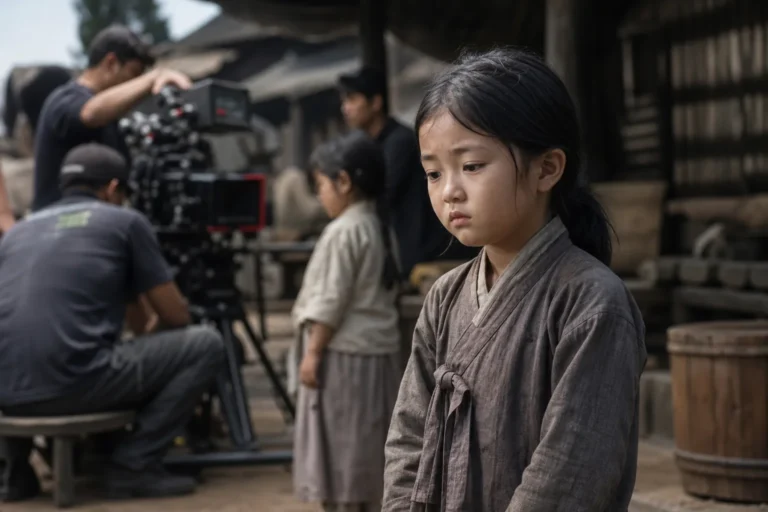
Three former Korean child actors have drawn renewed attention to how young performers were treated during an earlier era of television production, describing a workplace culture that they said often lacked protection, fair compensation, and basic consideration for minors.
Heo Jeong Min, Kang Rae Yeon, and Seo Jae Kyung discussed their experiences during a July 10 appearance on the YouTube channel B-Level Studio, according to a report by Koreaboo. The conversation centered less on nostalgia than on the realities behind childhood acting careers that were once shaped by long filming hours, strict hierarchy, and little room for children to speak up.
A Different Era For Young Performers
Kang Rae Yeon said that child actors at the time were not treated the way many young performers are treated today. Her comments pointed to a gap between public recognition and private working conditions: a child could be familiar to viewers, yet still have little control over schedules, pay, or safety on set.
One of the clearest examples raised in the discussion was compensation. The former actors described a grading system for child performers, with pay linked to rank rather than necessarily to popularity or workload. Heo Jeong Min explained that the grades ranged from 1 to 5, while Kang said the top payment for drama appearances was about 250,000 won per episode, roughly $167.
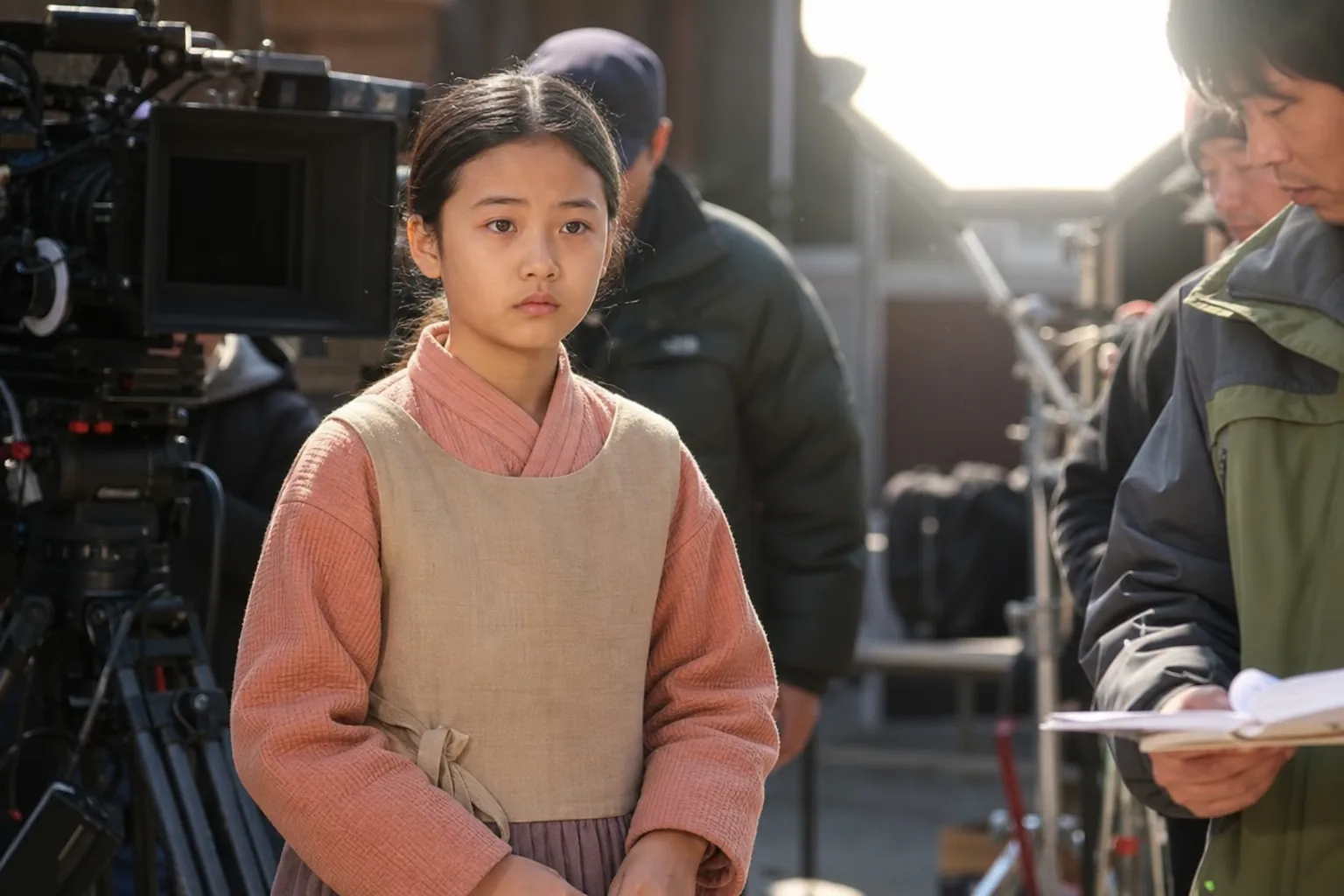
That figure stands out today because Korean entertainment has become a global industry, and because successful child performers can now be associated with major brand value, streaming exposure, and agency-managed careers. The comments from the former actors suggest that earlier generations did not always share in the financial upside of the productions they helped carry.
The work schedule was another major concern. Kang recalled shoots that could stretch from daytime into night scenes and then continue after sunrise. In that environment, fatigue was not an occasional inconvenience but part of the rhythm of production. Heo also noted that parents endured a great deal while accompanying their children through those schedules.
Allegations Of Physical Discipline
The most serious part of the conversation involved accounts of physical mistreatment. Seo Jae Kyung said that when young actors made mistakes, punishment could go far beyond a light reprimand. He described being hit hard enough that children sometimes bled, while Kang said physical intimidation could be used to force an emotional reaction when a child actor struggled to cry for a scene.
Kang emphasized that such behavior would be unthinkable by today’s standards. Seo also added nuance, saying that most directors were not like that, but that one or two people in positions of power could shape the atmosphere around everyone else. That distinction matters: the issue was not only individual misconduct, but the kind of workplace culture that allowed minors to be pressured by adults who controlled their opportunities.
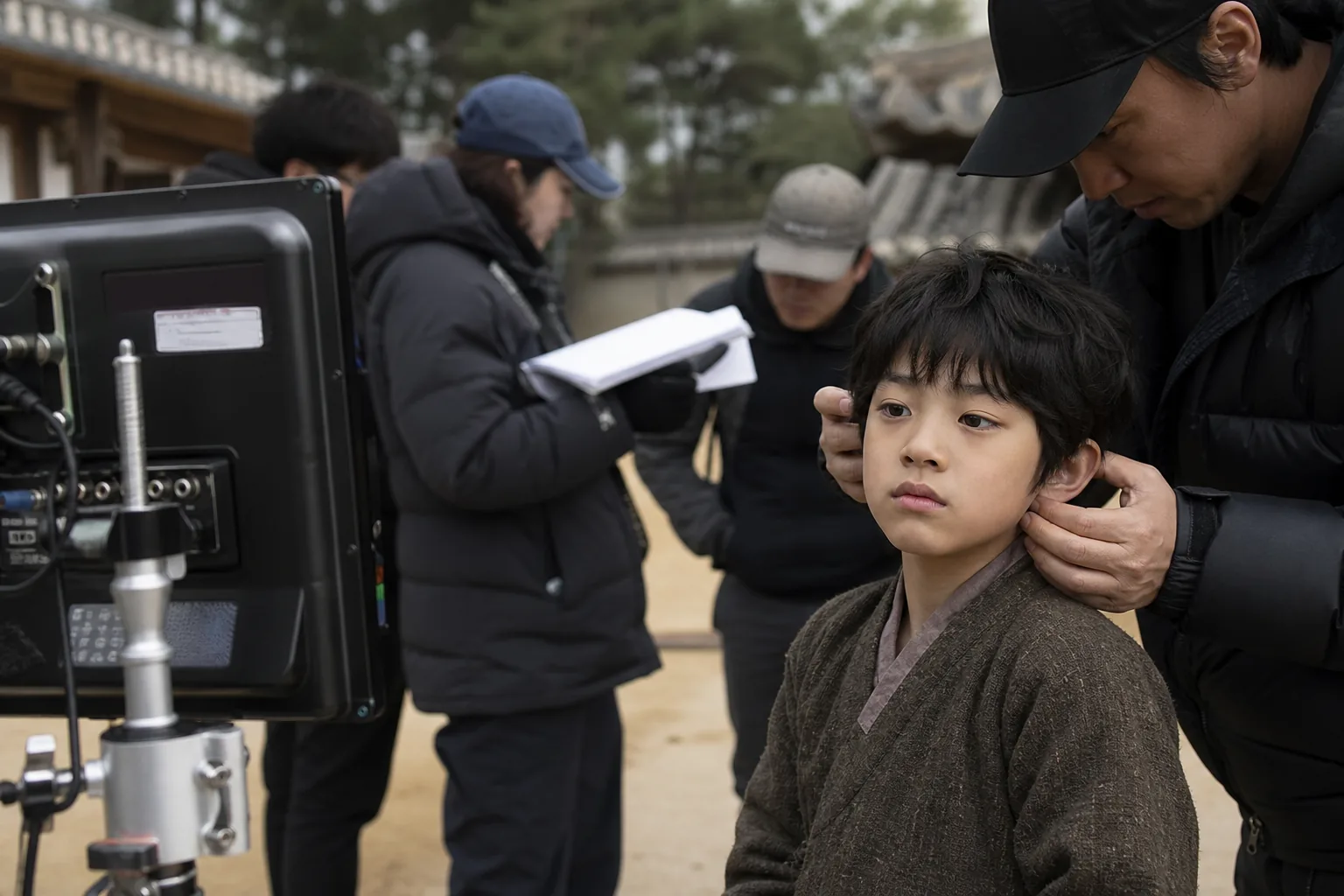
The actors also raised claims of corruption around the child actor grading system. Heo said some people took bribes from mothers while promising to improve a child’s grade, while Seo described an era in which gifts, meals, and drinks could function as informal payments to people with influence. Those comments place the personal stories inside a broader concern about gatekeeping in entertainment, especially when parents were trying to navigate the business on behalf of children.
Why The Conversation Resonates Now
The timing of the discussion is significant because Korean entertainment is now more visible than ever. K-dramas, films, variety shows, and idol-related content reach global audiences, and many productions feature young performers. With that growth has come more scrutiny of labor conditions, mental health, schooling, privacy, and consent for minors working in entertainment.
Industry standards have changed in many ways. Modern sets are more likely to include formal contracts, agency oversight, guardians, child labor rules, and public backlash when minors appear to be overworked or mistreated. Still, the former actors’ memories are a reminder that policy and culture are not the same thing. Rules only matter if people on set can enforce them without fear.
The conversation also complicates the way audiences remember familiar childhood faces from older dramas and programs. Viewers often associate child actors with charm, talent, and early success, but the performers themselves may remember uncertainty, pressure, or adult responsibilities arriving too early. Their accounts ask fans to think about the hidden labor behind scenes that once looked simple on television.
For the current generation of young actors, the most practical takeaway is the need for transparent systems: clear pay, safe hours, trained staff, reliable reporting channels, and adults whose first responsibility is the child’s welfare rather than the production schedule. The stories shared by Heo, Kang, and Seo do not only revisit the past; they also set a benchmark for what should never be normalized again.



Join the Conversation
Log in to share your thoughts and join the conversation with other fans.