
Cube Entertainment Warns of Impersonation Fraud Targeting China Performance Investments

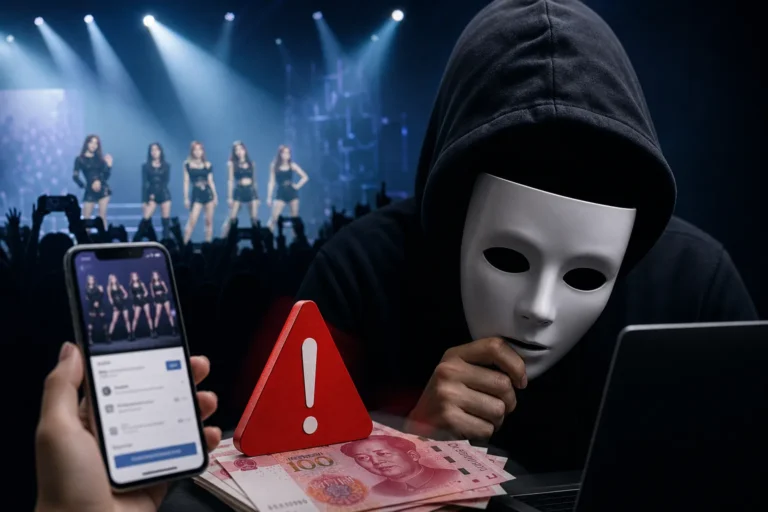
Cube Entertainment has issued a public warning after receiving reports that outside parties were allegedly impersonating the agency and using false claims about its artists to seek large investments from companies in China.
In a notice released on July 3, the company said it had become aware of businesses claiming they had received Cube’s approval to arrange performances by its artists in China. According to the agency, those claims are not true, and no such approved arrangements exist.
The warning places the issue in a sensitive area for K-pop companies: the intersection of overseas event planning, artist rights, and investment activity. Concerts, fan events, brand appearances, and regional promotions can involve several intermediaries, which makes clear authorization especially important when money is being raised around an artist’s name.
Cube urged companies and individuals to exercise caution so they do not suffer financial damage from schemes that use the agency’s reputation or its artists’ popularity as bait. The company did not identify specific businesses in the notice, and it did not say whether any contracts had already been signed by third parties.

Agency Says No China Performance Approval Was Given
The core of Cube’s statement is straightforward: unauthorized parties are allegedly presenting themselves as connected to the agency, claiming approval for China-based performances, and using those claims to solicit investment. Cube said these arrangements do not exist and framed the activity as impersonation and the spread of false information.
For fans, the notice is also a reminder that performance announcements should come through official channels. K-pop schedules often move quickly, and unofficial posts can travel widely before an agency has time to respond. When a claim involves a major overseas event or a paid opportunity, the risk is not limited to rumor; it can affect partners, investors, venues, and the artists’ public image.
Cube said it will continue taking necessary measures to protect the rights and interests of both the company and its artists. That language signals a broader concern than one isolated false post. The agency is drawing a line around the commercial use of its name, its authority, and its roster in situations where outside parties may be trying to create credibility they do not have.
Legal Action Remains on the Table
The company also warned that if it discovers unauthorized use of the Cube name or its artists to spread false information, seek investments, or sign contracts, it will respond strongly. Cube specifically mentioned possible criminal complaints and civil lawsuits, making clear that it views the matter as more than a public-relations problem.

That legal posture is common in the entertainment industry when an agency believes its name or intellectual property is being used to support unauthorized business activity. Even when artists are not directly involved, their names and images can carry significant commercial value. False claims about access to performers can create financial exposure for third parties and reputational harm for the agency.
The timing also matters because Korean entertainment companies continue to treat overseas markets as central to their growth. China remains a major audience for Korean artists, even when formal activities can be complicated by market conditions and regulatory uncertainty. In that environment, any claim about approved performances is likely to attract attention from promoters and investors looking for opportunities.
Cube’s notice does not confirm a new concert plan, tour, or artist-specific project in China. Instead, it functions as a warning against assuming that a proposal is legitimate simply because it mentions the agency or one of its artists. The safest reading is that any future activity would need confirmation directly from Cube or verified official partners.
For now, the agency is asking the public and business community to be alert. The message is especially relevant to investors and companies approached with offers built around K-pop performances: check the source, confirm authorization, and be wary of anyone claiming access without official proof.



Join the Conversation
Log in to share your thoughts and join the conversation with other fans.