
Han Ga In’s Candid Tteokbokki Review Sparks Debate Over Celebrity Honesty

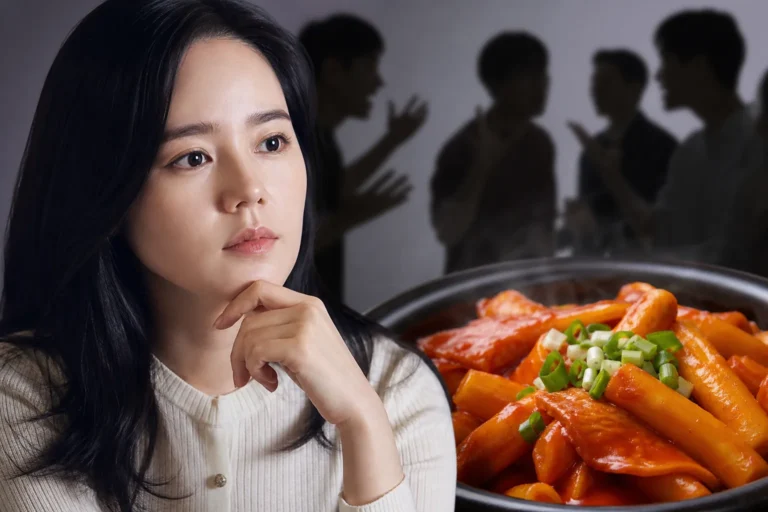
Han Ga In has become the center of a lively online discussion after giving an unusually blunt review of a popular tteokbokki recipe during a YouTube cooking segment. The actress, long known for a polished public image, drew attention because her comments sounded less like scripted variety-show praise and more like the kind of direct assessment a home cook might give after a real kitchen test.
The video, uploaded on July 23, featured Han trying several well-known recipes for tteokbokki, the spicy-sweet rice cake dish that remains one of Korea’s most familiar comfort foods. Presented as a tasting challenge, the segment gave her room to compare flavor, texture, broth, seasoning balance, and overall repeat value rather than simply reacting with standard compliments.
The moment that spread most widely came after she tested actor Ryu Soo Young’s widely discussed Lifetime Tteokbokki recipe. Han did not call the dish a failure, but she said the saltiness and sweetness did not fully come together in her version. She described the result as difficult to categorize, neither clearly delicious nor clearly bad, and questioned whether it felt like something she would want to eat repeatedly over a long period.
A Review That Felt More Direct Than Expected
Han’s reaction stood out because celebrity cooking content often depends on friendly exaggeration. Guests frequently praise each other, producers shape a warm atmosphere, and recipes connected to popular stars are usually handled with care. In that context, her measured but unmistakably critical response felt surprising, especially because the recipe she evaluated already had a reputation among viewers who trusted Ryu’s practical cooking tips.
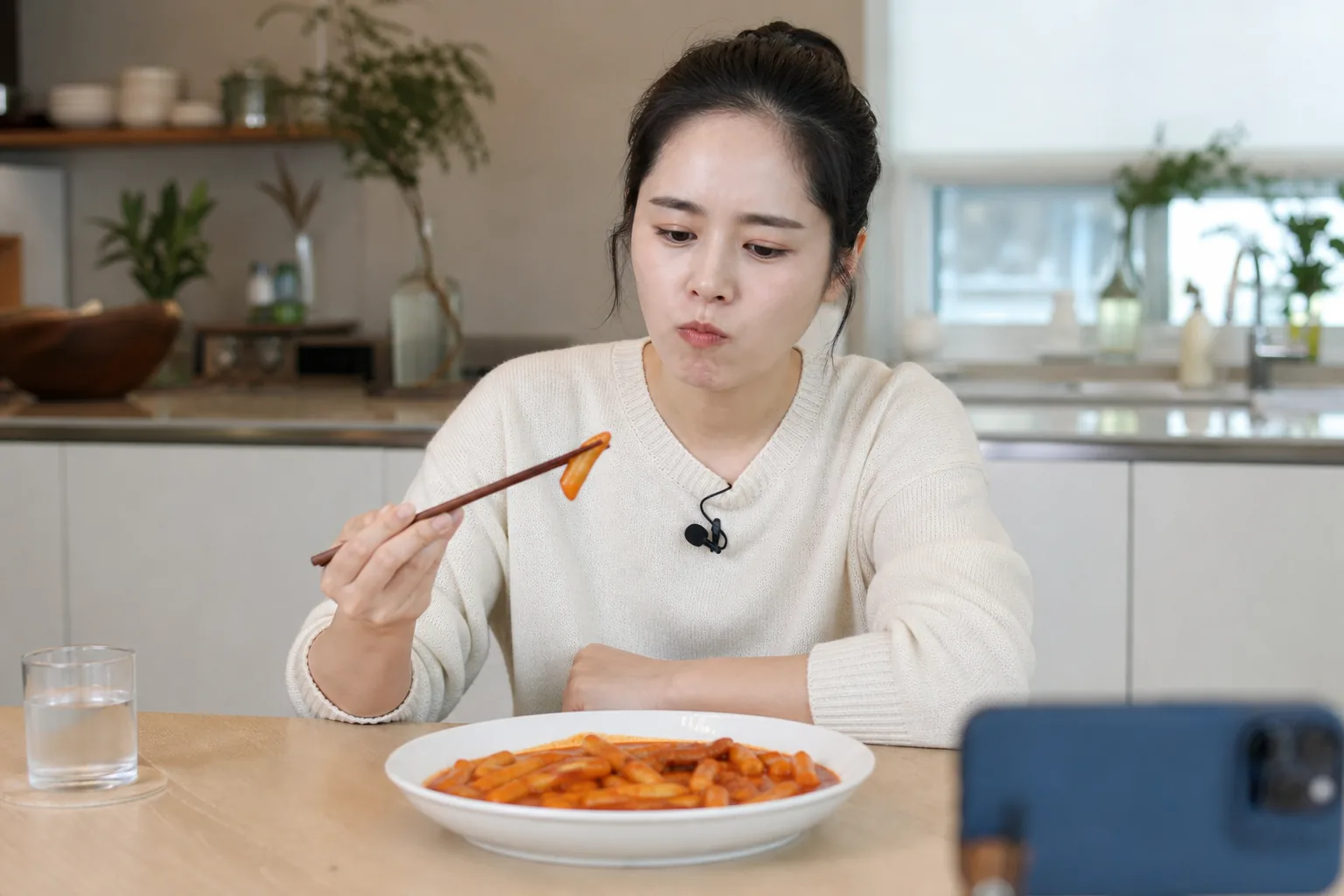
At the same time, Han did not frame the issue as a personal criticism. She made clear that she did not have a close connection with Ryu and appeared careful not to suggest disrespect toward him. She also left open the possibility that the outcome reflected her own execution rather than the recipe itself, comparing it to how the same coffee can taste different depending on the machine or the person preparing it.
That qualification became one of the reasons the clip generated divided reactions. Some viewers argued that her honesty made the segment more believable. For them, the point of a recipe test is not to protect a public figure’s pride but to describe what actually happened in the kitchen. Others felt the tone risked sounding dismissive toward another celebrity’s recipe, especially because short clips can travel without the fuller context of her disclaimers.
Viewers Focus On The Cooking Details
Much of the debate quickly moved from etiquette to technique. Online commenters compared the appearance of Han’s dish with earlier versions of the same recipe, noting differences in color, thickness, and broth level. Some suggested that the seasoning may have been added too cautiously, while others wondered whether the cooking time or measurements changed the balance enough to alter the intended flavor.
That response highlights why food content can trigger surprisingly strong reactions in Korean entertainment. Tteokbokki is casual, inexpensive, and familiar, but it is also personal. People have clear preferences about sauce intensity, sweetness, spice, fish cakes, broth texture, and rice cake chewiness. A celebrity’s opinion about one pan of tteokbokki can therefore become a debate about taste, technique, and authenticity all at once.
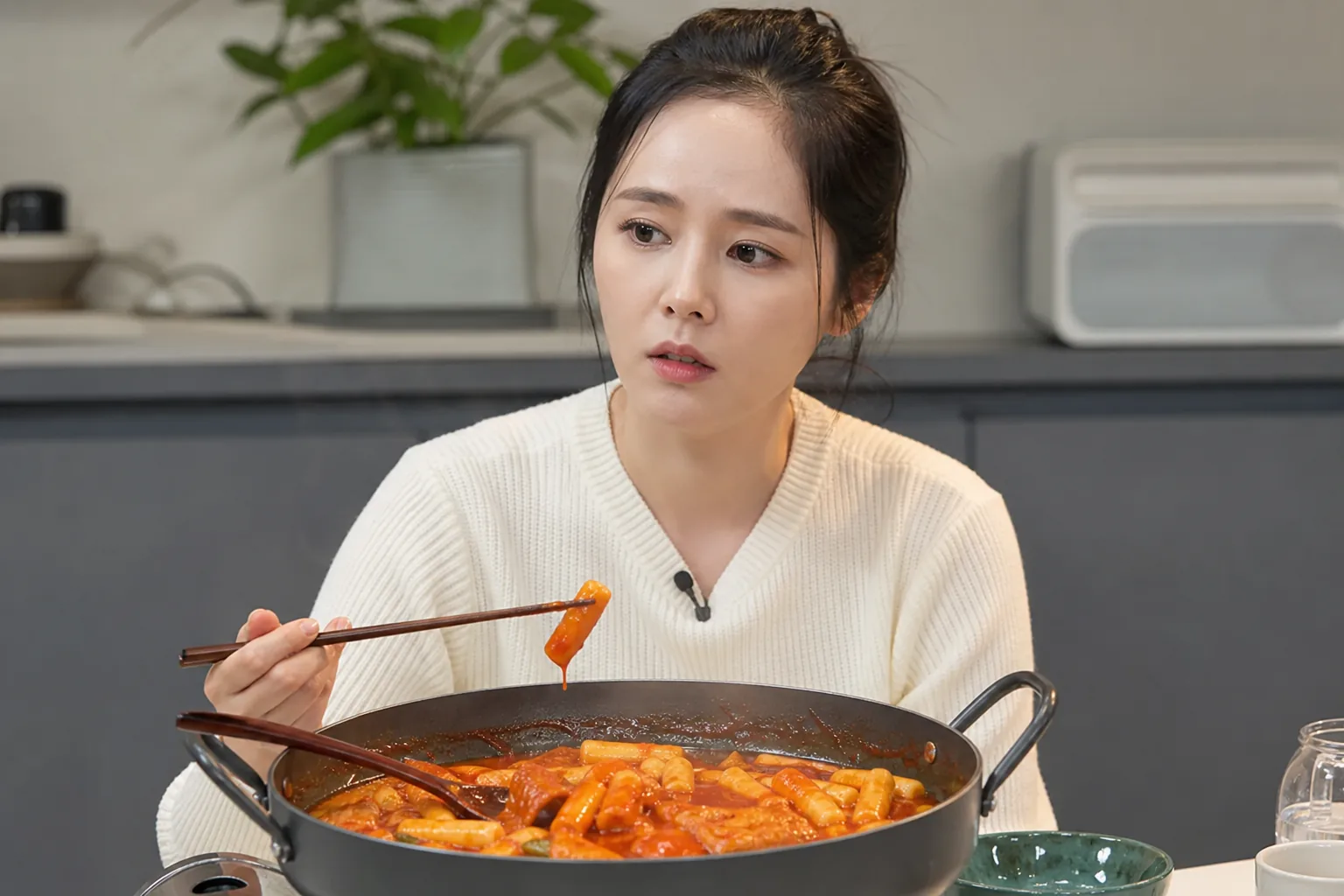
Han ultimately ranked the recipe last among the five she tried during the segment, which gave the discussion a sharper headline. Still, the larger reaction was not simply negative. Many viewers appeared to settle on a middle-ground reading: the recipe may work well when made by its creator, while Han’s version produced a different result because of small decisions in preparation.
The episode also shows how Korean celebrities are increasingly using YouTube to present a less filtered public voice. Variety programs still favor careful editing and managed chemistry, but personal channels and web segments reward spontaneity. A comment that might once have been softened before broadcast can now become the main attraction, giving viewers a stronger sense that they are watching an unscripted reaction.
For Han Ga In, the debate may ultimately reinforce the appeal that created it. Her criticism was direct enough to trend, but she also acknowledged uncertainty and accepted that cooking skill could have affected the outcome. That combination of candor and caution turned a simple recipe tasting into a broader conversation about how honest celebrities should be when reviewing something connected to another public figure.
Whether viewers agreed with her assessment or not, the clip underlined a clear shift in entertainment content: audiences are increasingly drawn to moments that feel specific, imperfect, and unsmoothed. In a media environment filled with promotional praise, even a careful comment about tteokbokki can become news when it sounds genuinely unscripted.



Join the Conversation
Log in to share your thoughts and join the conversation with other fans.