
Super Junior’s Siwon Faces Backlash Over Past Christian Songs At Concerts

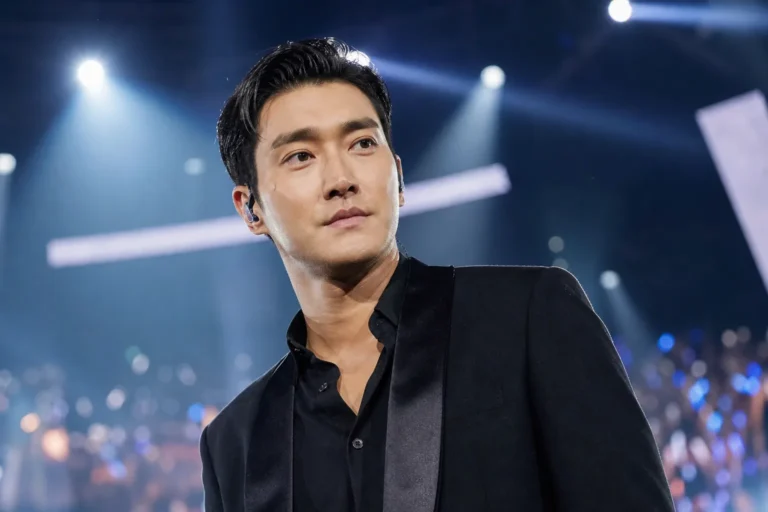
A resurfaced discussion about Super Junior member Siwon has sparked a new round of debate among K-pop fans, after an online post revisited why he previously performed Contemporary Christian Music during concerts and why he later stopped.
According to a Koreaboo report published on July 3, the discussion began on a Korean online community, where a post summarized the reason Siwon had reportedly included Christian praise songs in concert settings. The post said the performances were connected to his personal faith, but also claimed he later stopped after reflecting on whether the act had become more about his own singing than worship itself.
The detail that drew the strongest reaction was not only the reason he stopped, but the fact that the songs had been performed at concerts in the first place. For critics, the issue was less about Siwon’s private beliefs and more about whether a paid fan event is the right place for explicitly religious music.
That distinction is important because idol concerts are built around a specific exchange: fans pay for a show connected to the artist’s music, group identity, and shared fandom experience. When an artist inserts a personal religious message into that space, some fans may see it as sincere self-expression, while others may feel it changes the terms of the event without their consent.
Why The Debate Became Sensitive
Siwon has long been known publicly as a member of Super Junior and as a celebrity whose Christian faith is visible to many fans. Public figures often bring parts of their identity into their work, and K-pop audiences are used to seeing idols share personal values, family stories, hardships, and gratitude during concerts.
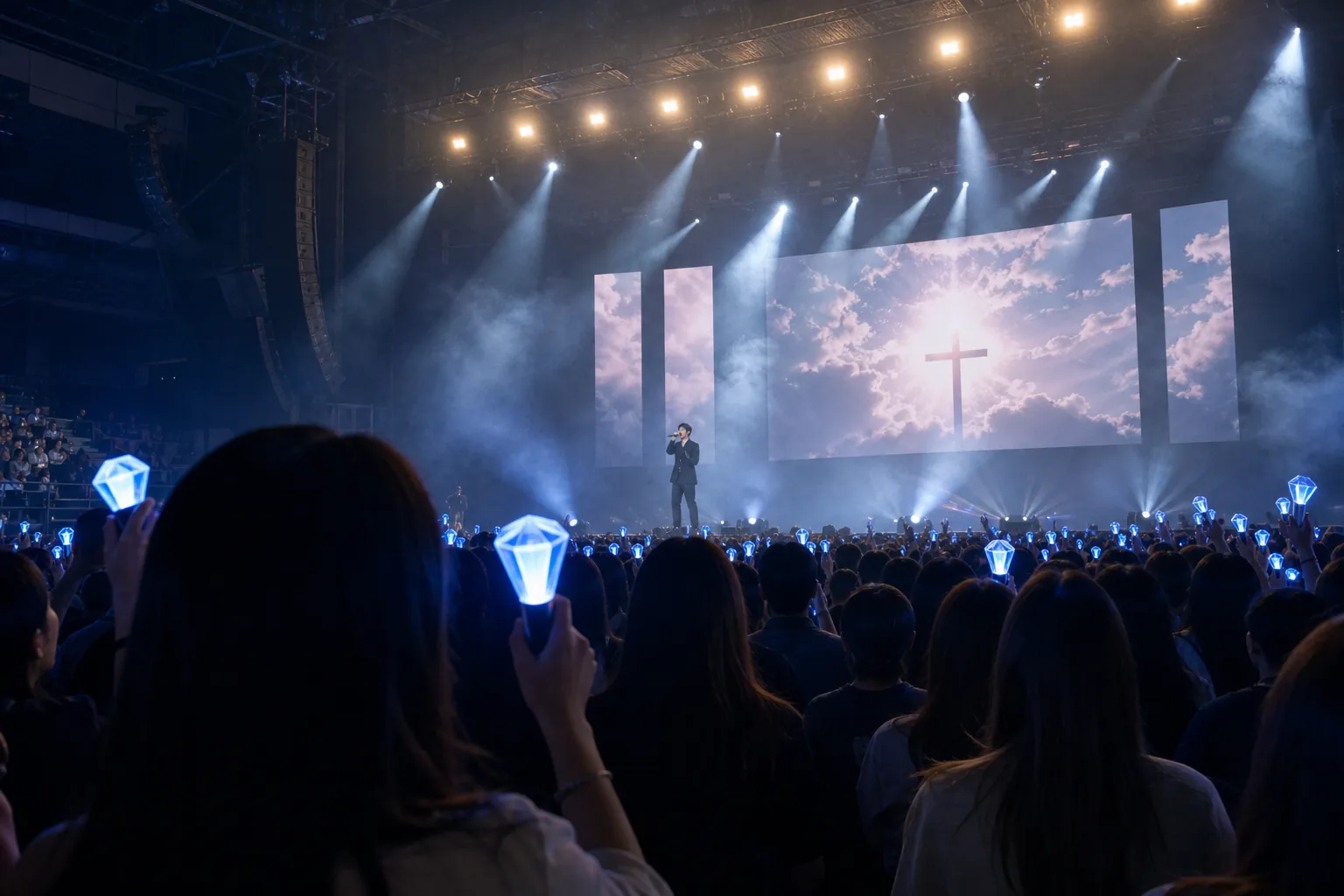
However, religion can be a more sensitive subject than many other personal topics because fans in the same venue may hold different beliefs or no religious belief at all. A concert audience is not gathered as a faith community; it is gathered around entertainment, fandom, and the artist’s professional catalog. That is why the resurfaced story created such a sharp response online.
The online comments cited in the report were largely critical. Some commenters questioned why fans had accepted the performances at the time, while others argued that religious songs should be reserved for church or religious settings rather than concerts. The tone of the reaction showed frustration with what some fans viewed as an artist prioritizing a personal purpose over the shared concert experience.
At the same time, the story also highlights a familiar tension in K-pop: fans often ask idols to be authentic, but that authenticity becomes complicated when it enters areas that are deeply personal, polarizing, or unrelated to the event fans paid to attend. The backlash suggests that many fans draw a line between an artist mentioning faith and structuring part of a concert around it.
Artist Expression Meets Fan Expectations
The controversy does not appear to involve a new concert incident, but rather a renewed discussion of past performances and the explanation for why they ended. That matters because the story is less about an immediate schedule change and more about how fans reassess older idol behavior through current expectations.
K-pop fandoms in 2026 are highly attentive to boundaries, especially around concerts, fan meetings, and other paid events. Fans are more likely to question whether a moment serves the audience, the artist, or a separate personal agenda. In that environment, even an old anecdote can become newsworthy if it touches a larger debate about professionalism and respect for diverse audiences.
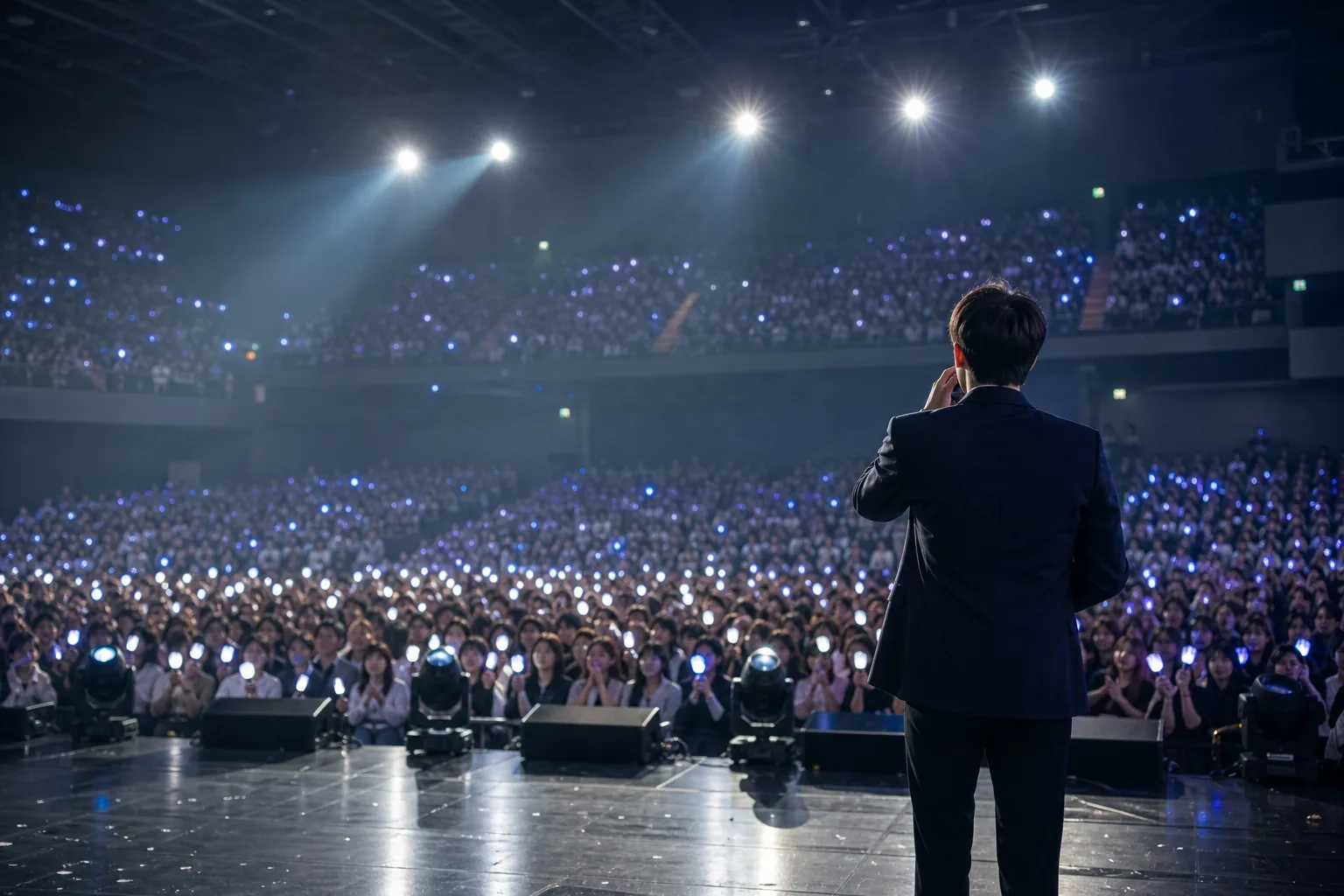
For Siwon, the backlash places renewed focus on how public faith is received when expressed inside a commercial entertainment setting. For other idols, it is a reminder that sincerity alone may not resolve fan concerns if the setting feels mismatched. A message that feels meaningful to one artist can still feel uncomfortable or exclusionary to some members of a broad international fanbase.
Neither the source report nor the online discussion indicates that Siwon has issued a new statement in response to the latest backlash. For now, the reaction is being driven by fans and netizens debating what should be considered appropriate during idol concerts.
The broader lesson is that concerts are not neutral spaces: they carry expectations shaped by ticket prices, fan loyalty, group branding, and the promise of a shared experience. When a performance moves into personal belief, even briefly, fans may judge it not only by intent but by whether it respects the variety of people in the room.


Join the Conversation
Log in to share your thoughts and join the conversation with other fans.