
Jimin Photo-Editing Backlash and Daesung’s Dating Rumor Row Highlight South Korea’s Viral “Authenticity” Wars

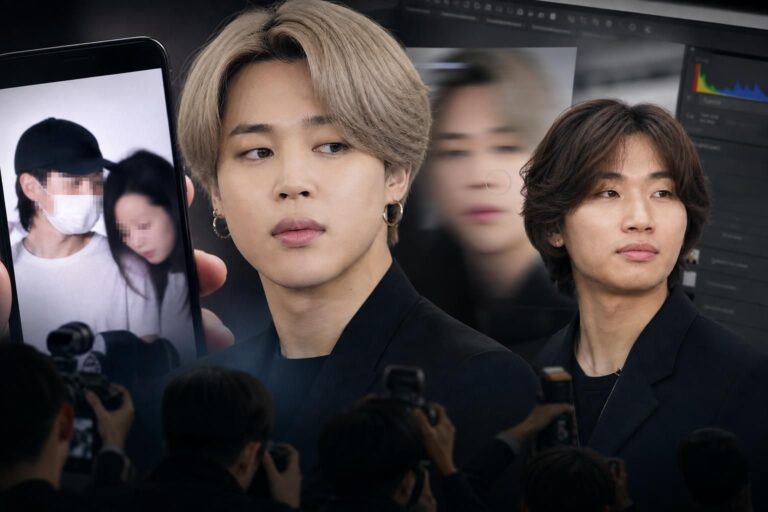
Two separate viral incidents in South Korea’s entertainment sphere—BTS member Jimin allegedly editing photos after a wave of criticism, and BIGBANG’s Daesung reacting to dating rumors—have combined to underscore a broader pattern: public scrutiny is increasingly less about the original claim itself and more about how quickly, transparently, and consistently celebrities respond across platforms.
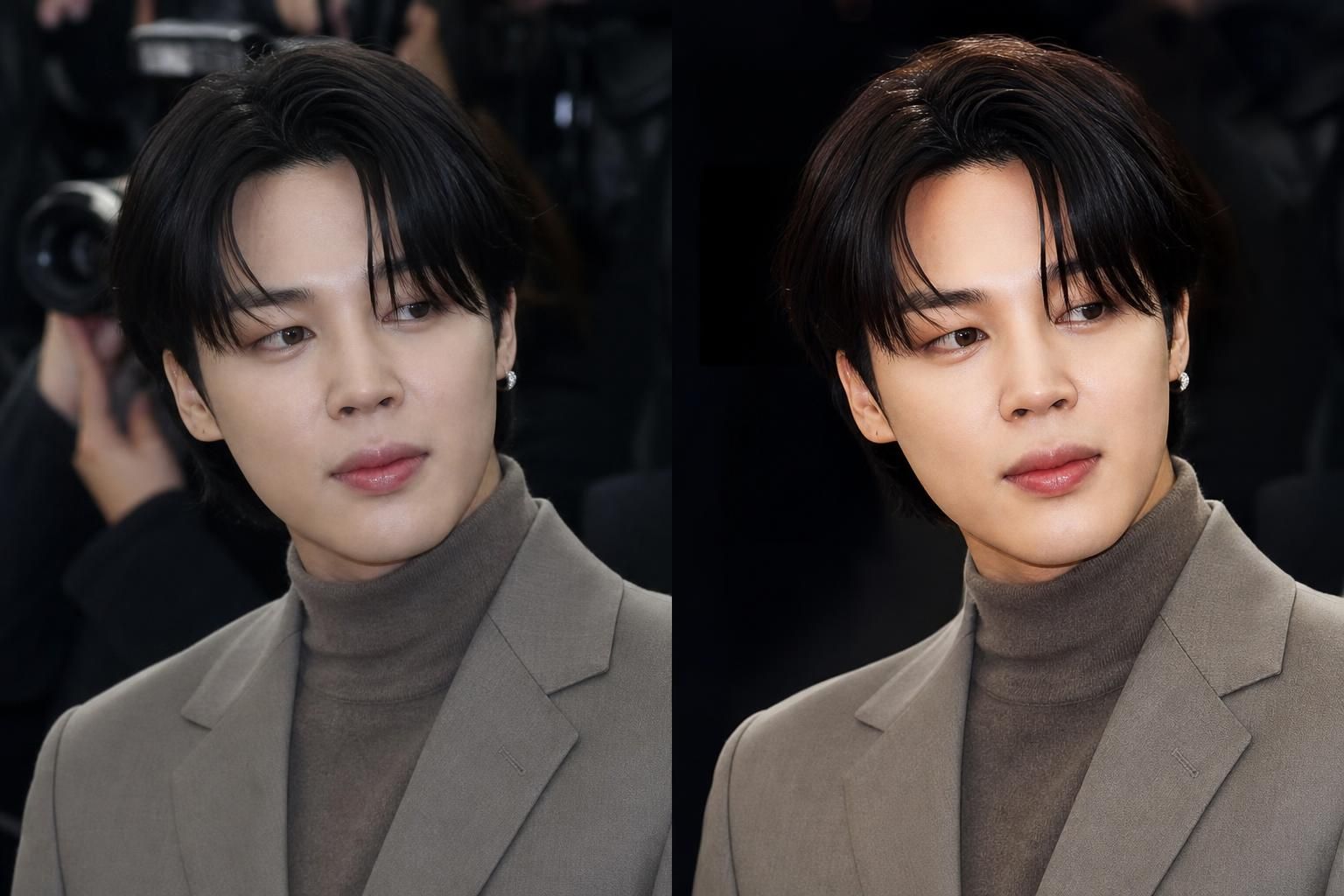
On June 24, Jimin attended the DIOR show during Paris Fashion Week, where online images attributed to Getty were shared and criticized. By June 25, Jimin posted new photos from the same event—photos that used a different color tone or filter. Social media users then argued about whether the edited uploads were “misleading,” sparking mockery and mixed reactions. Meanwhile, on June 21, Daesung drew attention after being photographed seated close to female idols, including KARA’s Hur Youngji and Oh My Girl’s Hyojong. Dating rumors followed, and although his agency denied them, Daesung later said he learned of the denial only after it was published—an inconsistency that further fueled speculation.
Jimin’s DIOR photos: editing or “proof of something”?
Jimin’s controversy began when unedited images circulated online, triggering backlash focused largely on his appearance as captured in those photos. According to Koreaboo, the attention quickly escalated into what appeared to be a retaliatory editing trend: some users allegedly manipulated the images to make Jimin look “worse,” then posted those altered versions in attempts to amplify the criticism.
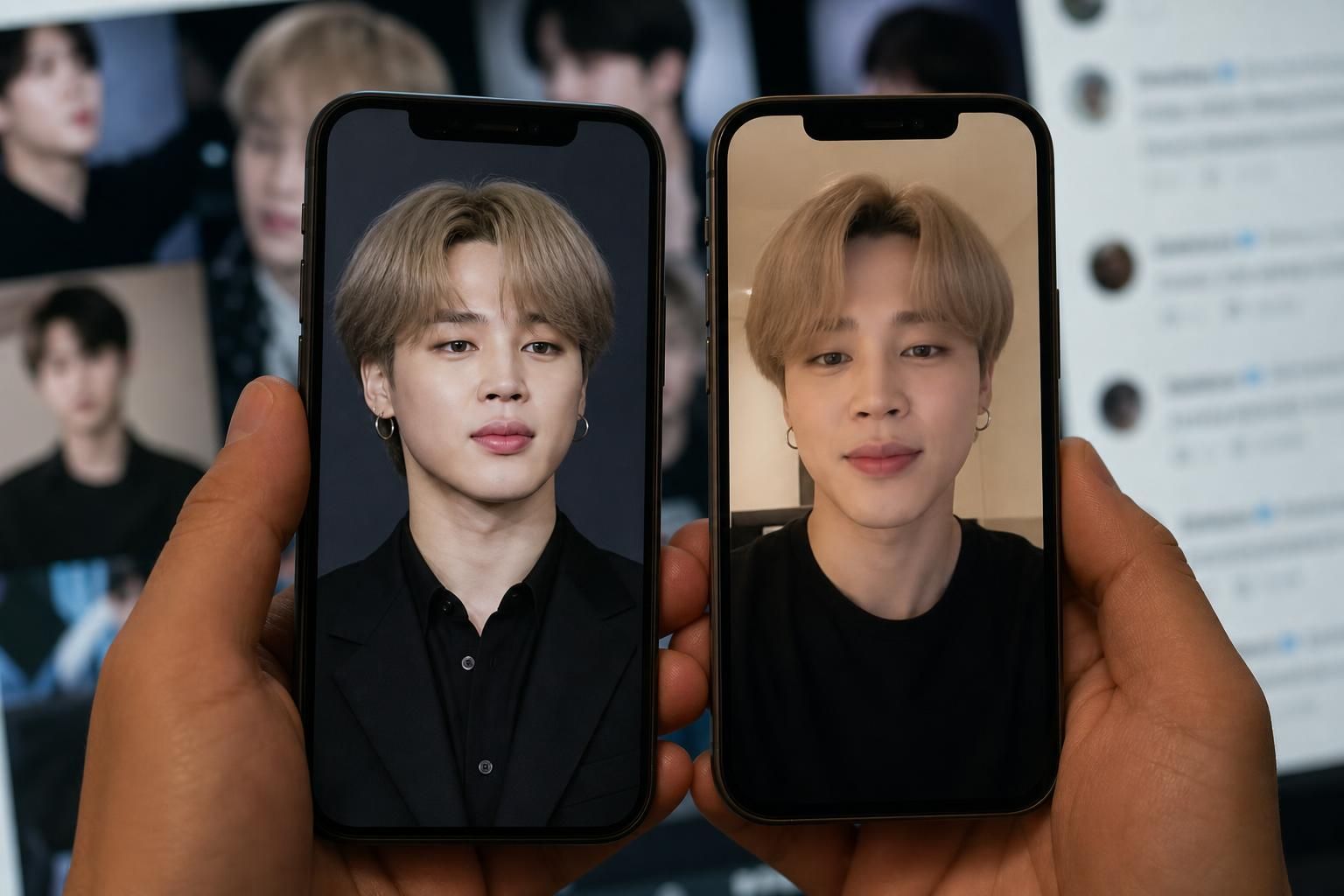
The trigger for the second wave came when Jimin posted his own images from the DIOR event. Koreaboo reports that users compared the posted photos with the earlier Getty images and noted that some editing had been applied—particularly color and saturation. Instead of settling the dispute, the comparison became content in itself: posts and comments circulated mocking the differences, with some claiming that the act of editing was evidence of something more than simple social-media refinement.
Yet, the backlash wasn’t uniform. Koreaboo notes that some K-netizens reminded others that celebrities routinely edit images for social media. In that view, the criticism was less about the ethics of editing and more about how the public interpreted the shift between two sets of images—especially once the earlier, unfiltered photos had already set a negative tone.
Daesung’s response: the agency denial problem
Daesung’s story followed a similar arc—viral images first, interpretation second, and reputational consequences third. Koreaboo reports that on June 21 Daesung attended MAMAMOO’s third night of Seoul concerts for their Award World Tour, and the most discussed detail became who he was seated next to. A photo of him “cozying up” with Youngji went viral, accelerating dating rumors.
His agency issued a statement denying the rumors. However, Koreaboo says Daesung later released a video clarifying that he discovered the company’s denial at the same time as the public, via Naver—adding that the agency did not contact him beforehand to verify or coordinate his response.
That detail, rather than the original photos, appears to have become the focal point. According to Koreaboo, online reactions framed Daesung’s posture as “not a denial,” with some users interpreting the lack of prior communication as either an administrative failure or an insinuation that the agency’s statement was not grounded in his direct confirmation. Even jokes and cynicism also emerged, with some fans treating his frustration as concern about being labeled “single” by the company’s narrative.
Why authenticity debates keep winning attention
Taken together, these incidents reveal how “authenticity” functions as a kind of digital currency—especially when audiences feel they are witnessing a mismatch between what is seen and what is said. In Jimin’s case, the dispute centered on photo editing: not simply whether edits occurred, but whether edits could be interpreted as deception. In Daesung’s case, the dispute centered on process: not simply whether rumors were true, but whether his agency’s denial was coordinated and credible.
Both controversies were intensified by the speed of viral distribution and the comparative logic of social media. Once multiple versions of images or statements are placed side-by-side—Getty vs. posted photos, agency denial vs. personal video—platform audiences can treat differences as “evidence,” regardless of whether a reasonable explanation exists (such as standard social-media retouching or internal communication gaps).
Reputation management in the era of instant cross-checking
For agencies and public figures, these cases illustrate the risks of imperfect timing and fragmented messaging. Jimin’s editing dispute suggests that even common practices—like adjusting color tone—can become politically charged when a negative narrative is already circulating. Daesung’s situation highlights another vulnerability: when a company speaks first, but the artist speaks later (or speaks differently), gaps are interpreted as signals.
Koreaboo’s reporting also points to how fans and commentators don’t always share a single standard for what counts as “reasonable.” Some defend editing as routine professional presentation. Others treat it as suspicious once a controversy is underway. Similarly, some see Daesung’s frustration as legitimate and procedural; others read it as indirect confirmation.
What to watch next
The immediate next steps are likely to be more content-driven rather than official. With both stories now in the hands of viral commentary, expect continued remixing: screenshots, side-by-side comparisons, and reinterpretations of agency communications. In Jimin’s case, future uploads from the same event—and whether his filters match earlier patterns—could become new benchmarks for supporters and critics alike.
For Daesung, attention may pivot to how his agency handles coordination going forward: whether future statements more clearly reflect the artist’s input, and whether internal process is acknowledged. If the public perceives repeated misalignment between corporate messaging and personal clarification, it could become a longer-running narrative—one that is less about dating itself and more about who controls the truth during a crisis.
In both incidents, the underlying lesson is that modern celebrity controversies are rarely “one question, one answer.” Instead, they are fast-moving contests over interpretation—where editing, tone, and timing can matter as much as the original claim.

Join the Conversation
Log in to share your thoughts and join the conversation with other fans.