
EVAN Heeseung Faces Renewed Scrutiny Over Instagram Follower Allegations

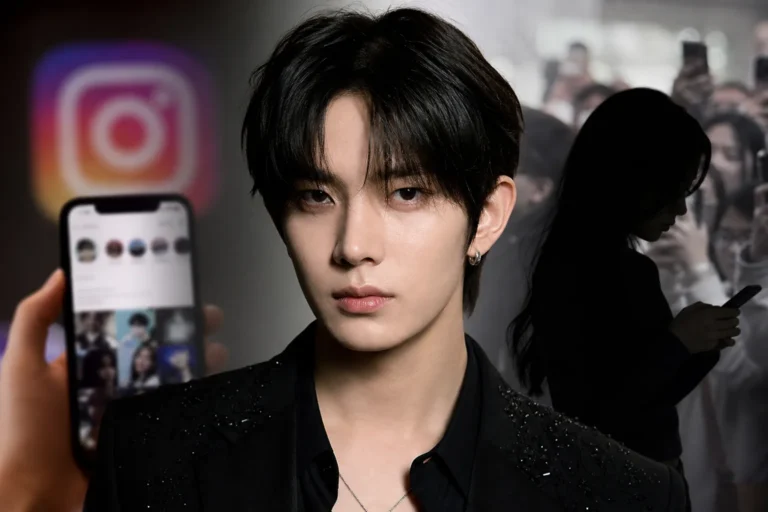
EVAN, the solo-stage name associated with ENHYPEN member Heeseung, is facing renewed online scrutiny after allegations about his Instagram followers resurfaced among K-pop fans. The discussion centers on claims that his solo Instagram account saw a sudden influx of accounts with unusual naming patterns, prompting some users to question whether the growth was organic.
The allegations, reported by Koreaboo on July 3, are based on fan and netizen observations rather than a confirmed finding from Instagram, BELIFT LAB, HYBE, or an independent analytics firm. The source article says the claims first circulated after the account was opened for solo activities and have now gained attention again as users revisit screenshots and jokes from the earlier debate.
At the heart of the conversation is a familiar K-pop pressure point: follower counts. For idols preparing solo activities, social media numbers can quickly become shorthand for public interest, fan power, and marketability. That makes any unusual growth pattern a magnet for scrutiny, even when the available evidence is limited to what users can see from the outside.
Why The Follower Pattern Drew Attention
According to the report, fans noticed a burst of new followers on EVAN’s Instagram account and pointed out that many of the accounts appeared to use random animal-related names. The pattern became the basis for memes, with some users joking that the account had been followed by an entire collection of animal-themed profiles. Others interpreted the pattern more seriously and alleged that followers may have been purchased to boost the appearance of popularity.

No public statement from BELIFT LAB or HYBE addressing the specific follower allegation was included in the source report. Without platform-level data, it is not possible to verify from public posts alone whether the accounts were bots, inactive users, coordinated fan accounts, or unrelated profiles that happened to share similar naming conventions. Still, the visual oddity of the follower names was enough to fuel jokes and criticism across fan spaces.
The reaction has also been shaped by the competitive nature of K-pop fandom. Followers, views, chart positions, sales totals, and brand rankings are frequently used in online arguments between fandoms. When a metric appears suspicious, it can quickly move from a small observation to a broader reputation issue, especially for an idol affiliated with a major company such as HYBE.
A Social Media Debate With Real Image Stakes
For EVAN, the revived discussion arrives at a sensitive time because solo branding depends heavily on public perception. A solo account is not just a place for updates; it is a visible signal of identity, audience, and momentum outside the group framework. Even unproven allegations can create friction if they become the dominant topic around an artist’s promotional activity.
Some online users framed the situation as embarrassing for fans who had celebrated the account’s growth, while others treated the allegation as another example of how easily K-pop metrics are weaponized. The source report also notes that EVAN has recently been the subject of other online criticism, which may have made the follower discussion spread faster than it otherwise would have.

At the same time, the controversy shows the limits of public social media analysis. Follower lists can look strange for many reasons, and outside observers rarely have access to the internal data needed to separate artificial growth from platform behavior, spam accounts, coordinated fan activity, or ordinary algorithmic exposure. In the absence of confirmed details, the allegation remains just that: an allegation circulating through online fan communities.
For agencies, the episode is a reminder that digital promotion now comes with constant public auditing. K-pop companies often rely on social platforms to build anticipation, but those same platforms give fans and critics a public scoreboard to inspect. A sudden rise in numbers may be celebrated one day and questioned the next, particularly when an artist is moving into solo positioning.
The larger question is not only whether one account’s follower growth was unusual, but why these numbers carry so much weight in the first place. In a crowded entertainment market, follower counts can influence headlines, partnerships, and fan confidence. That incentive structure means debates over authenticity are likely to keep resurfacing whenever online metrics appear too neat, too fast, or too convenient.
For now, there has been no confirmed evidence cited in the report proving that EVAN or his agency purchased followers. What is clear is that the discussion has become part of the broader conversation around his solo image, and that fan communities are watching the rollout closely.
Join the Conversation
Log in to share your thoughts and join the conversation with other fans.